Germany launches trials of quantum-secured communication: the CHIRON project
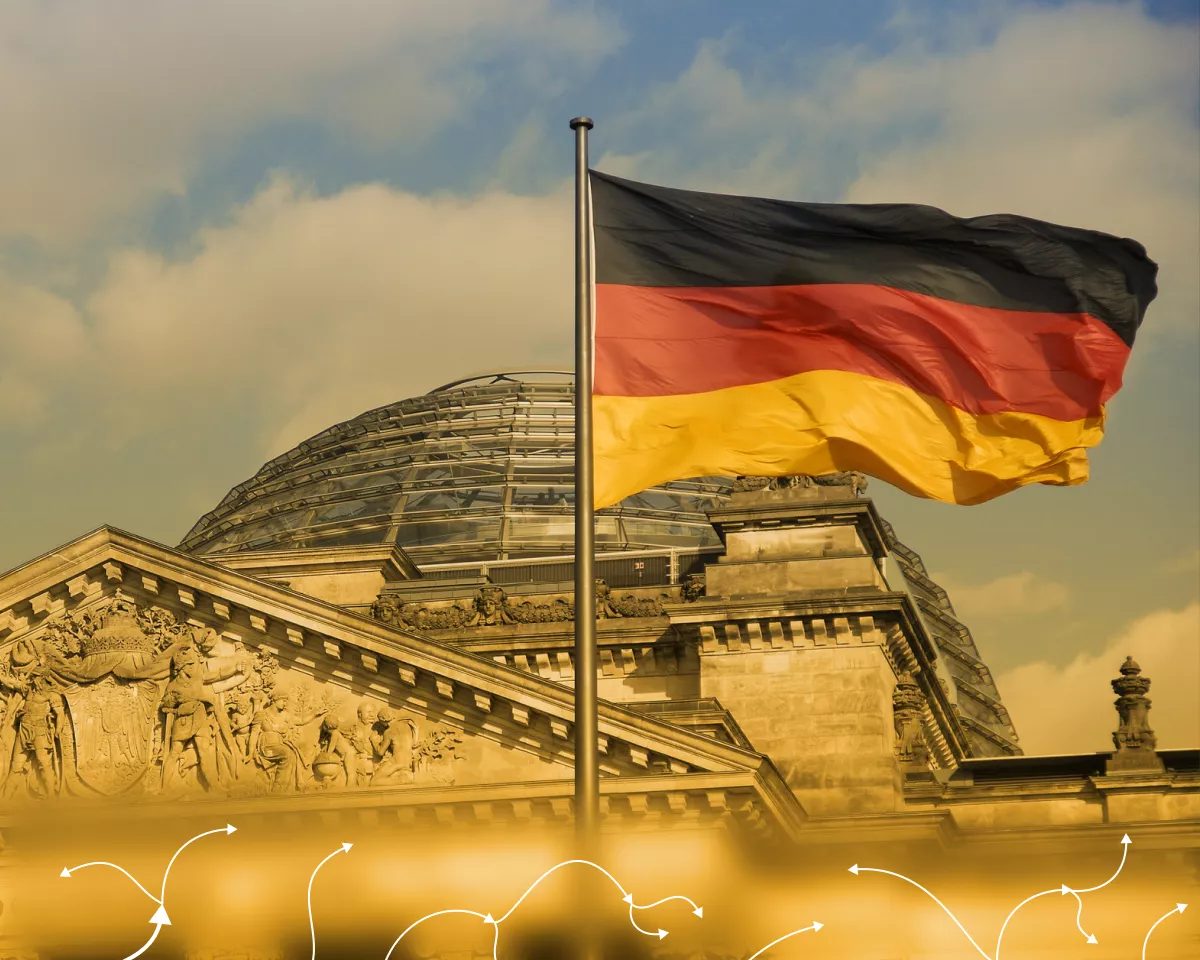
The Federal Republic of Germany is taking a significant step forward in the field of quantum security. A large-scale project, CHIRON, has been launched, aimed at creating a secure data transmission infrastructure based on quantum key distribution (QKD) technology. This is not just a laboratory experiment — the consortium is deploying real test sites in Berlin and Thuringia, integrating quantum communications into the existing digital ecosystem.
Practical implementation for the public sector and finance
Particular attention should be paid to the role of the state-owned company Bundesdruckerei, known for its solutions in secure documents and digital identification. It will be testing quantum-secured access tokens. The target audience includes the public sector, critical infrastructure operators, and financial services. The project is funded through the German Federal Ministry of Research, Technology, and Space, highlighting the strategic priority of this direction.
A key aspect is not just encryption, but the creation of a scalable infrastructure. QKD allows for the generation and distribution of cryptographic keys in such a way that any interception attempt becomes physically detectable. This eliminates one of the main vulnerabilities of modern systems — attacks on post-quantum encryption algorithms.
My analyst's perspective
This step is not just a technological demonstration, but a clear signal to the market. Germany intends to become a leader in the practical implementation of quantum-resistant solutions. For the cryptocurrency and blockchain industry, this has direct implications: the protection of private keys, the security of multi-signatures and transactions in decentralized networks critically depends on resilience to future quantum threats. The CHIRON project lays a foundation that is likely to become a benchmark for the entire European digital infrastructure.