Buterin retreats into the shadows again: anonymous billboard prototype on Aztec instead of ETH marketing
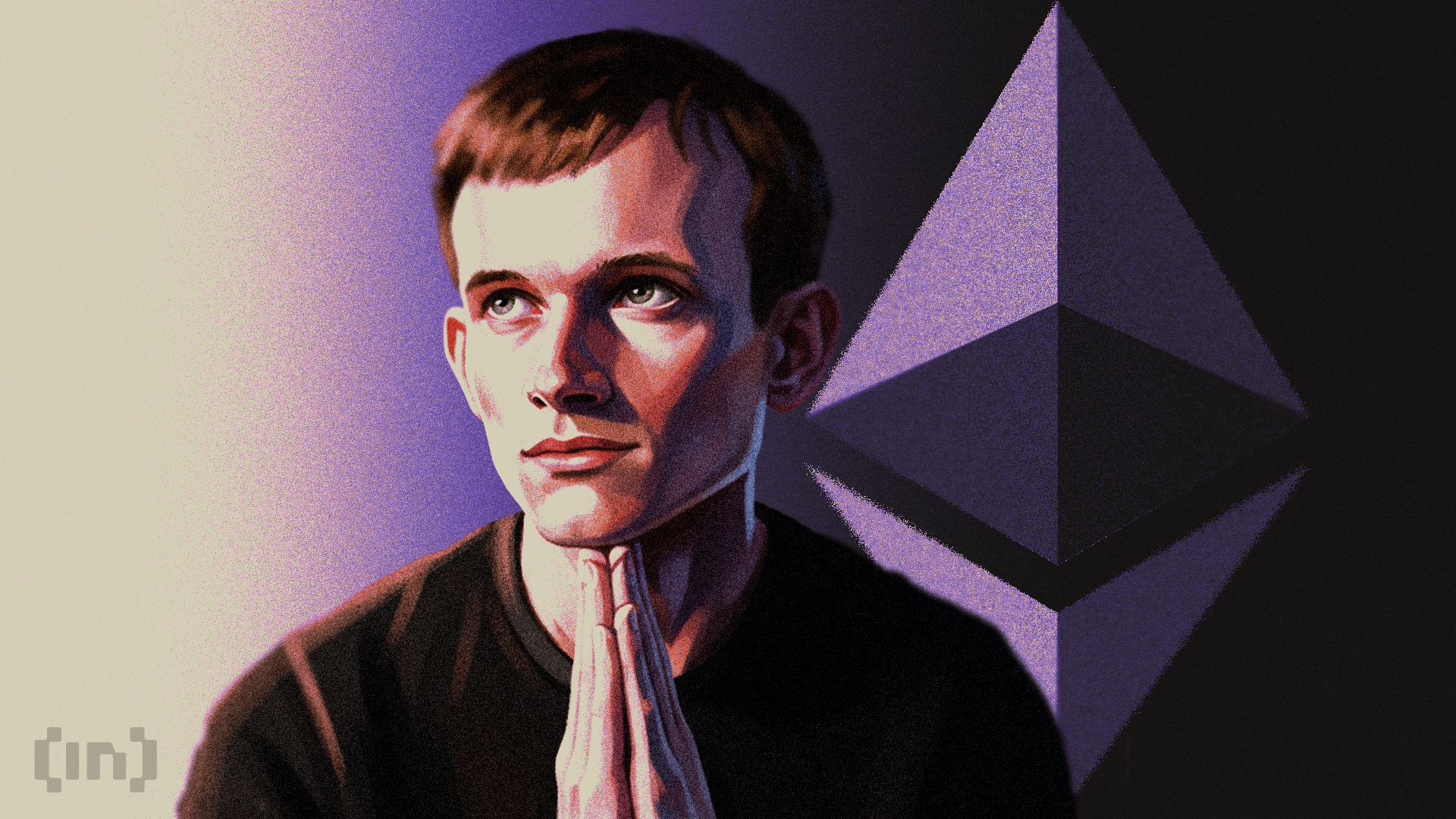
Ethereum co-founder Vitalik Buterin surprises the community again, but not with the price of ETH or new roadmaps. This time, he presented a working prototype of an anonymous billboard — a decentralized bulletin board where any user can post messages while remaining completely incognito. The project is built on Aztec, a privacy-focused L2 solution for Ethereum, and uses zero-knowledge cryptographic proofs (ZK-SNARKs).
Vibe coding and a return to the roots of privacy
Buterin himself called his approach "vibe coding": he described the task in simple terms, and AI tools wrote a significant portion of the code. The aztec_experiments repository on GitHub currently hosts three prototypes: a token contract, an oracle for voting, and the billboard itself. The latter uses "nullifiers" based on the poseidon2 hash function, which confirm a user's right to post and block duplicate posts without revealing the author's identity.
This is not Buterin's first attempt to return to the topic of privacy. Back in 2022, he published an essay detailing the concept of an upgradeable anonymous message board. And earlier this month, he warned that the revived Chat Control initiative in the EU threatens everyday cybersecurity by mandating the scanning of private communications for prohibited content.
Why is Buterin distracted from ETH again?
A humorous post has already appeared on the billboard demo: the author asks why Buterin is engaging in curious projects instead of developing his own coin. And there is a grain of truth in this joke. Throughout 2026, Vitalik has been dedicating almost all his time to third-party projects far removed from Ethereum's development roadmap. These include a task for recognizing anonymous authorship, which was eventually solved by independent researchers, and even the first chapters of a novel about decentralized governance.
Ethereum's price this year is noticeably lower than the peaks of the last cycle, and Wall Street is far more eager to discuss the bullish prospects of ETH than the co-founder's side projects. Vitalik, however, does not seem bothered: he finds cryptographic experiments more interesting than publicly supporting Ethereum. He has even hinted that he might one day release a fantasy novel under a pseudonym — the same cryptography would prove he wrote the book, but no one would know his name.
Whether the billboard remains a prototype is unclear. Judging by the commit history on GitHub, Buterin continues experimenting just as actively. And this, in my view, is a key signal: the Ethereum community should get used to the fact that the network's chief architect is increasingly working not on price, but on the fundamental principles of privacy and decentralization.