Sunlight replaced lasers: quantum entanglement of photons obtained
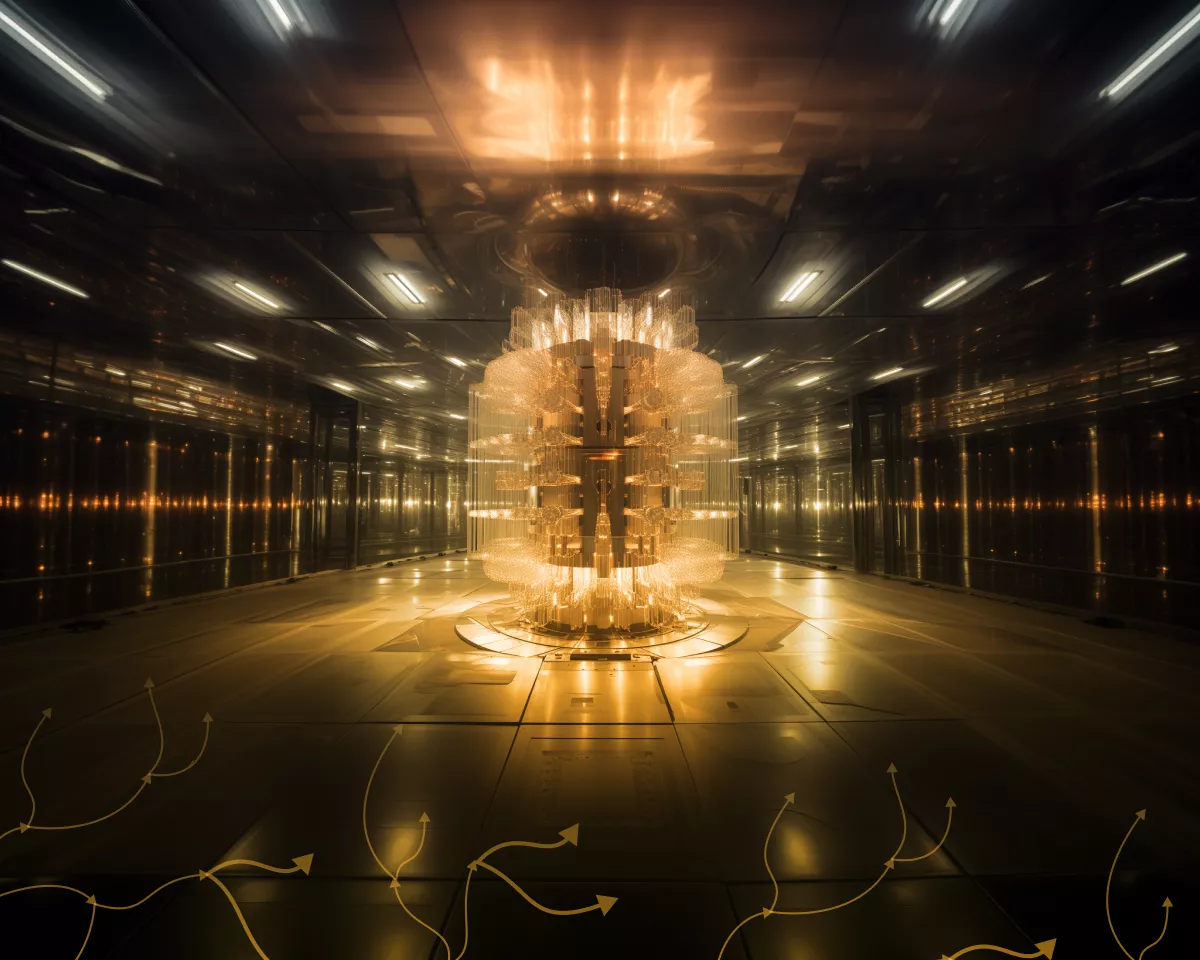
An international research group has achieved a breakthrough in the field of photonic quantum optics, proving that concentrated sunlight can generate pairs of quantum-entangled photons. The corresponding results were published in the authoritative scientific journal Optica.
A new era without lasers
In the study, which brought together specialists from the University of Ottawa and the Max Planck Institute for the Science of Light (Germany), sunlight was used as the pump source for spontaneous parametric down-conversion—a classic method for producing entangled photon pairs. This directly refutes the long-held belief that lasers are the only viable tool for preparing quantum states of light.
Previously, lasers were considered indispensable due to their high coherence and power density. However, my colleagues and I have shown that the spatial and temporal incoherence of solar radiation is not a critical limitation for generating polarization entanglement, provided the light retains its polarization and can be efficiently focused.
Technical details of the experiment
To achieve the result, the team constructed a sunlight concentration system with a collection area of 1.4 m². The radiation flux was focused by a Fresnel lens, then directed into a glass conical concentrator and multimode optical fiber, after which it was fed into a nonlinear crystal. At the output, the researchers detected polarization-entangled photons with an accuracy of nearly 94% and correlations violating Bell's inequality, confirming the authenticity of the quantum entanglement.
The normalized generation efficiency proved comparable to traditional laser setups. This discovery could drastically reduce the energy consumption of photonic quantum systems, which is especially relevant for applications in environments with limited energy resources—from satellites to interplanetary missions.
My analysis: This result is not merely a laboratory curiosity, but an important step toward creating autonomous quantum devices powered by renewable energy sources. In the long term, this could make deploying quantum communication networks cheaper and simpler in remote and extreme conditions where access to powerful lasers is limited. However, several engineering barriers still need to be overcome before commercial implementation, including the stability and scalability of such systems.