Spotify introduces labeling for AI artists and excludes them from recommendations: a new era in the fight for content quality
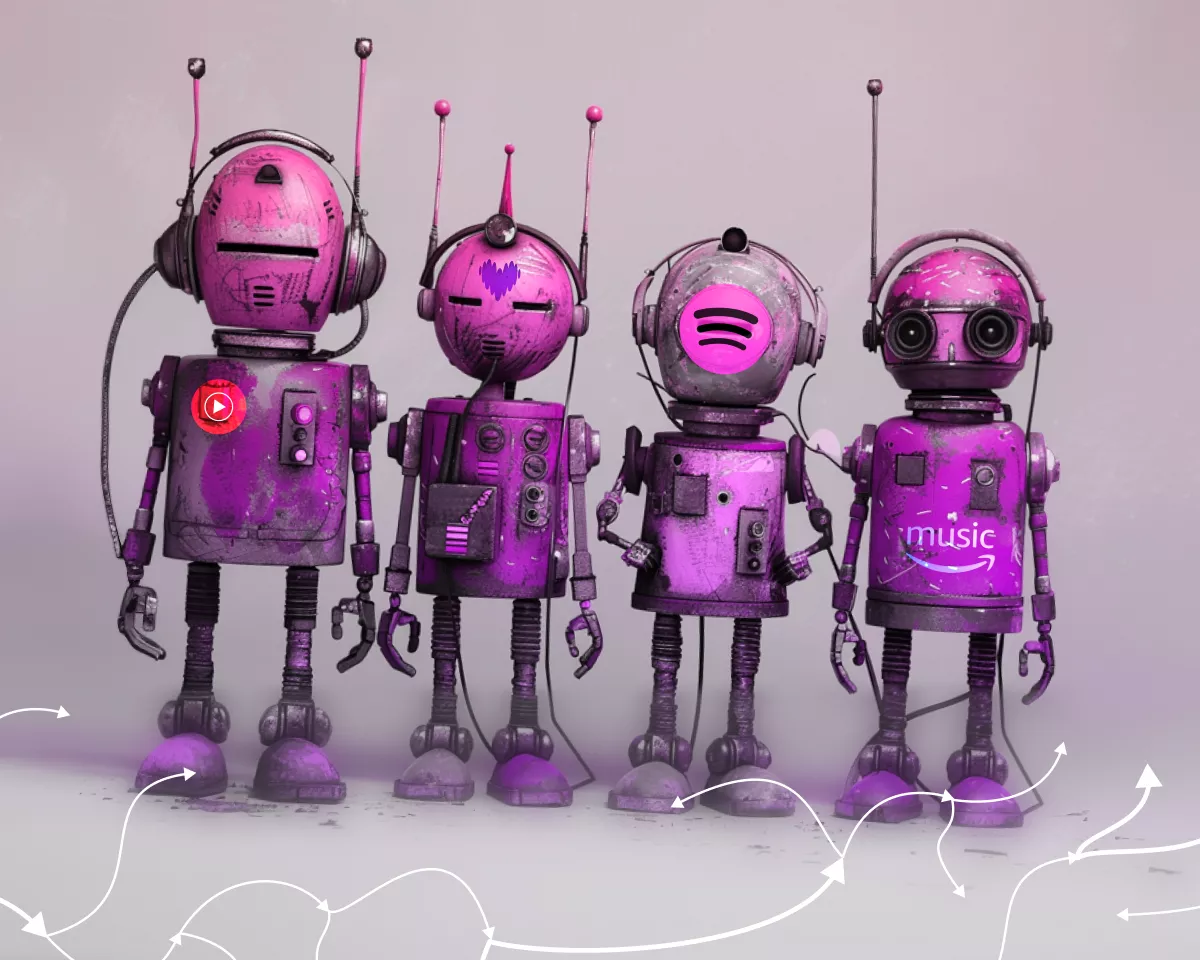
The largest streaming service is taking a decisive step in regulating artificial intelligence in music. Starting in mid-September, Spotify is introducing a special AI Persona label that will appear on profiles, search results, and playlists of artists created using generative algorithms.
The key change is the complete exclusion of AI personas from the platform's algorithmic and editorial recommendations. This means that tracks by such artists will no longer appear in selections for a broad audience unless the user has consciously subscribed to them. In essence, Spotify is creating a digital barrier separating "live" musicians from synthetic products.
What lies behind this decision?
It is important to understand: the labeling applies exclusively to the artist's public persona, not to the technology used to create the music. In other words, if a real person uses AI as a production tool, it will not affect their status. The focus is on fully virtual characters with no human author behind the scenes.
Apparently, the service aims to solve a dual challenge. First, to protect the platform from low-quality spam that has literally flooded streaming platforms in recent months—thousands of generated instrumentals and "white noise" have swamped catalogs. Second, to support real creators whose income and visibility suffer from the mass production of synthetic tracks.
This step marks an important precedent in the industry. While other platforms are only discussing ethical norms for AI use, Spotify is moving to concrete actions, creating infrastructure for the coexistence of human creativity and algorithmic experiments.
My expert assessment: This is the right balance between innovation and ecosystem protection. However, it should be expected that creators of AI personas will quickly adapt, disguising their projects as "human" collaborations. The question is only how effective the verification system will prove to be and whether it will lead to false positives regarding legitimate experimental projects.