"Slop-pop" from Tyga: a zero score from Pitchfork and a wave of criticism aimed at AI tools
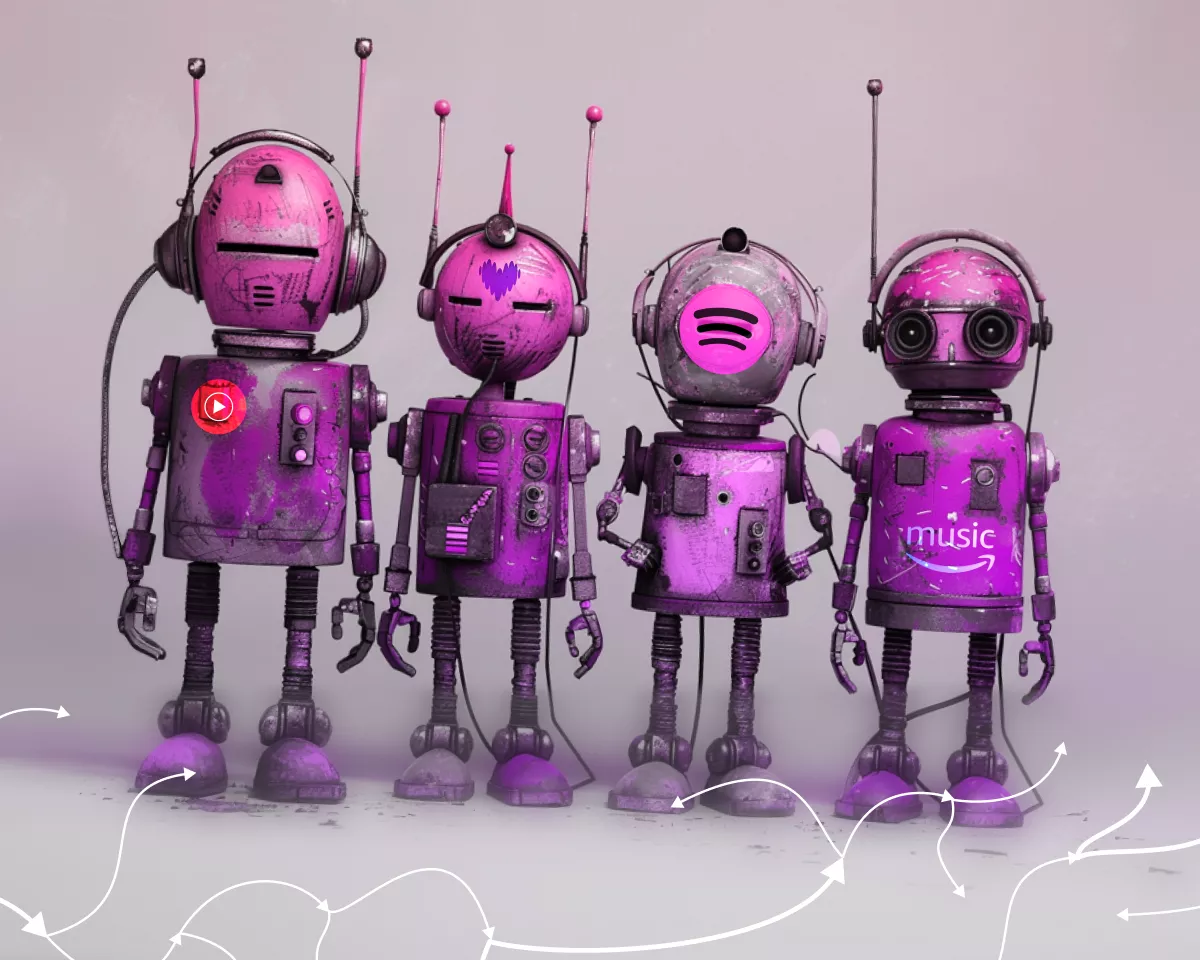
The music industry continues to be shaken by the integration of artificial intelligence, and the latest release from Tyga has become a perfect illustration of this conflict. On August 12, the authoritative publication Pitchfork gave the album $TARFACE a rating of 0.0 out of 10 — an extremely rare case, as the last zero score appeared in their editorial office back in 2007. This is not just a failure, but a symbolic signal that the line between creativity and generation is erasing at a catastrophic pace.
Nostalgia or simulacrum?
The record, released on July 31, is the rapper's ninth studio album, recorded under the pseudonym Starface. The concept references the aesthetics of "Scarface" and the sound of the 1980s: synth-pop, funk, and R&B. Tyga himself insisted that the work was done on analog equipment from that era, down to the mixing. However, just a week later, the artist admitted in an interview that he used AI as a "tool," comparing it to autotune, and confirmed that part of the vocal parts were created by the Suno service. According to him, "technology is moving in that direction," even if fans are furious.
Pitchfork critic Drew Millard did not accuse Tyga of full generation, but he entered the rapper's name and genre tags into the free AI generator Treblo. The result, in his words, sounded "exactly like $TARFACE." He dubbed this experiment with the term "slop-pop" — a label that the community instantly picked up. Then it escalated: on August 14, well-known reviewer Anthony Fantano released a video breakdown of the album, refusing to give a rating and labeling the release as "not music."
My take on the situation
This case is not just a dispute over tastes. We are witnessing a precedent where AI ceases to be a hidden tool and becomes an explicit part of the creative process, triggering institutional rejection. It is telling that Pitchfork, which has shaped canons for decades, chose the zero mark — this is not a review, but a manifesto against the devaluation of authorial labor. At the same time, the market can no longer be stopped: let me remind you that back in April, the Deezer service recorded that AI tracks accounted for 44% of all new daily uploads. The industry stands at a crossroads: either we develop new evaluation criteria and ethical norms, or the concept of "music critic" will finally lose its meaning.