Meta has patented an AI facial recognition system for smart glasses: a new turn in video personalization
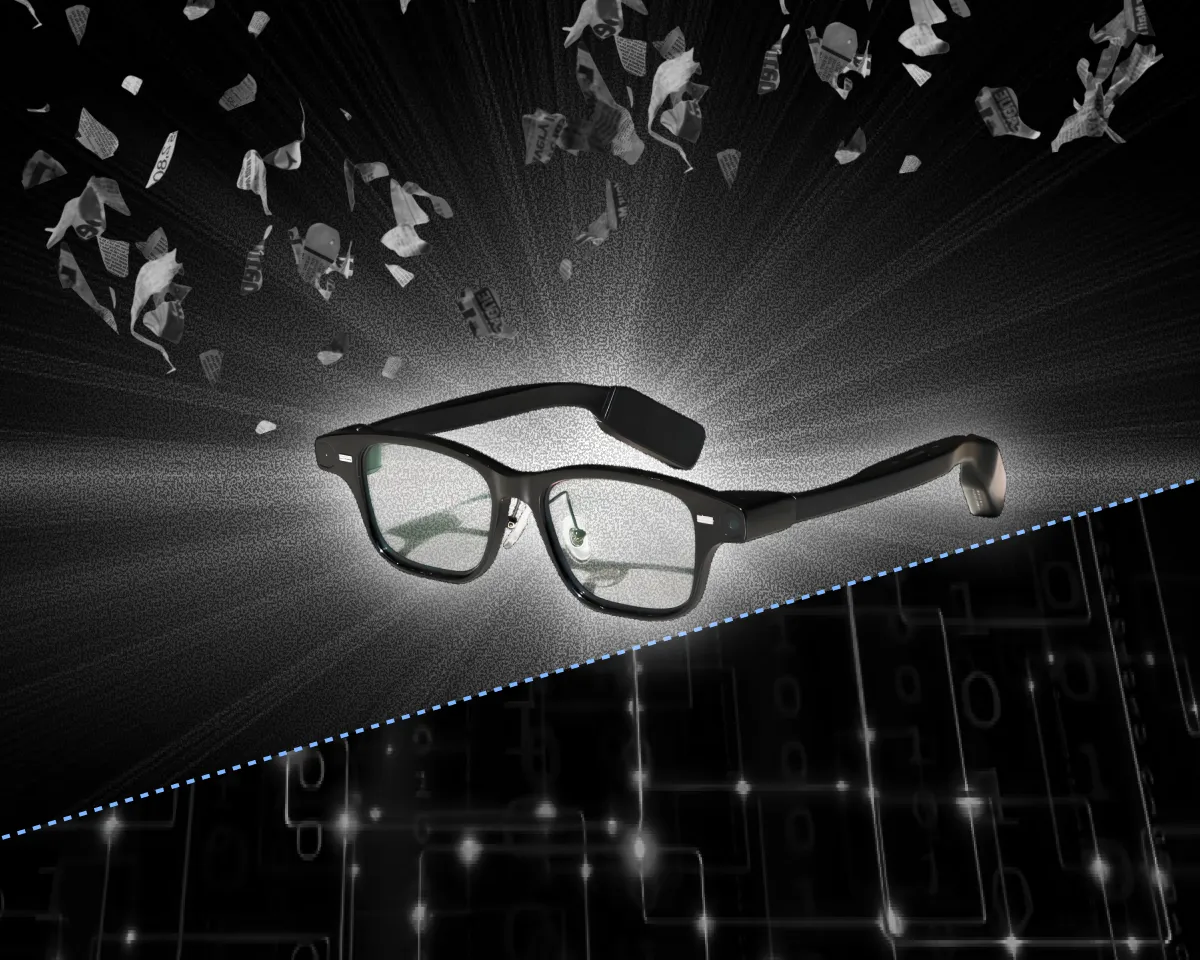
The United States Patent and Trademark Office (USPTO) has published a patent application from Meta Platforms Technologies for an innovative system that fundamentally changes the approach to processing video content in wearable devices. The developed technology is capable of identifying faces in a frame in real time, analyzing the actions of subjects, and automatically compiling finished video compilations from tagged fragments.
The essence of the invention is revealed through a practical example: a smart glasses user is at a dinner party, surveying the guests. The built-in AI assistant not only records what is happening but also intelligently evaluates scenes, offering the owner the most significant moments of the evening. This is not just recording—it is the curation of memories, where the algorithm takes on the role of a director.
A key feature of the system is the deep integration of computer vision with behavioral analysis. This is not about static face recognition, but about understanding context: who is interacting with whom, which emotions prevail, and which episodes carry semantic weight. This approach elevates personalization to a fundamentally different level, turning a passive gadget into an active participant in social interaction.
For the market, this is a signal of where Meta is heading in the development of hardware products. The company is clearly betting on making smart glasses not just an accessory, but an indispensable tool for creating a "digital imprint" of everyday life. However, such technologies inevitably raise privacy concerns—automatic recognition of third parties' faces without their explicit consent could trigger new regulatory disputes.
Meta's patent activity in this area points to a strategic vector: the future of wearable electronics lies in the seamless integration of AI into life scenarios. But the line between convenience and total surveillance is becoming increasingly thin, and it is this aspect that will shape public perception of such innovations.
My analysis: Technically, the application is impressive, but commercial success will depend not on the accuracy of the algorithms, but on Meta's ability to build an ethical dialogue with users and regulators. Without a transparent data processing policy, even the most advanced AI assistant risks remaining a niche product.