Meta has patented smart glasses technology with AI face recognition and auto video selection.
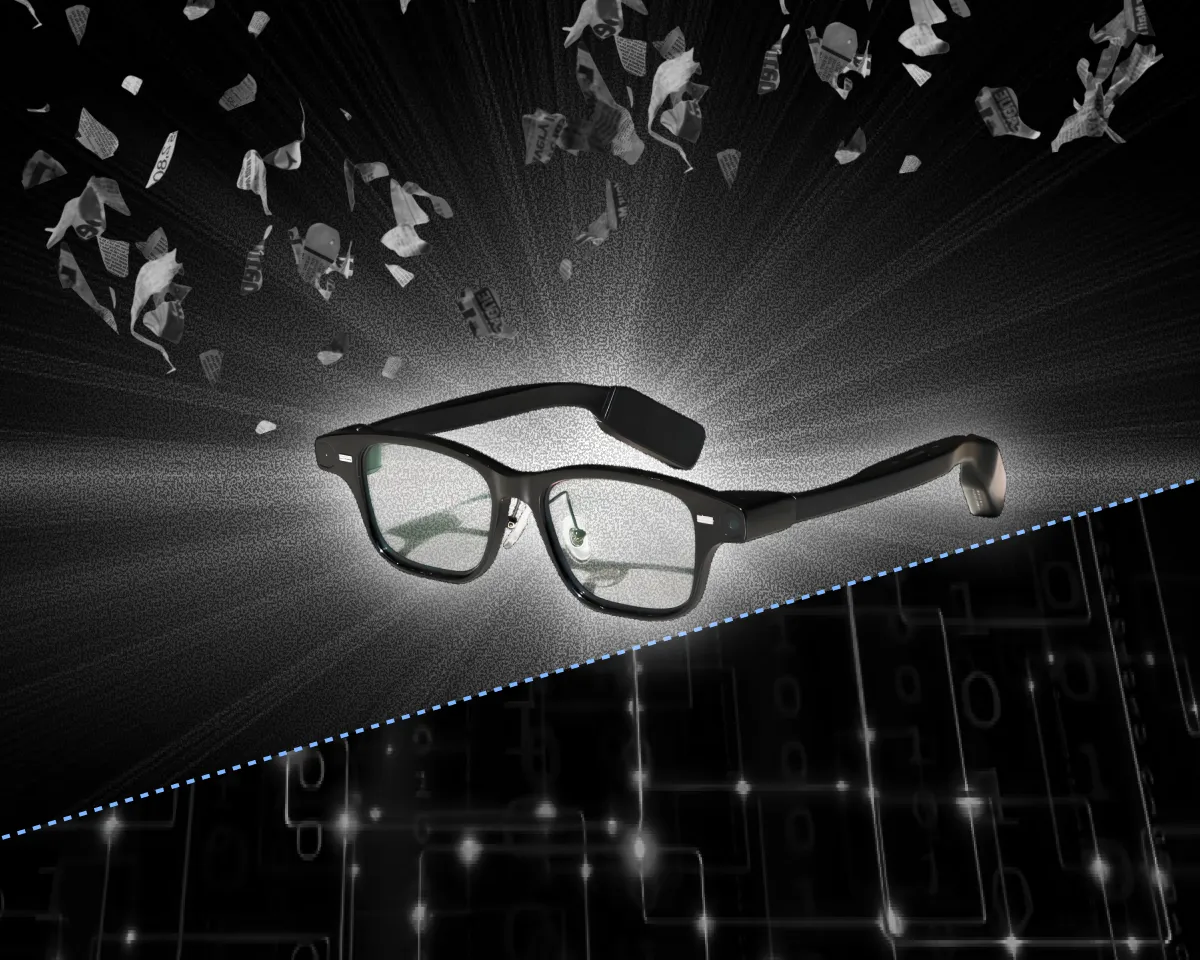
The U.S. Patent and Trademark Office (USPTO) has published a new application from Meta Platforms Technologies that reveals the company's ambitious plans for developing wearable devices. The developed system is designed for smart glasses and allows real-time identification of people in the field of view, analysis of their behavior, and automatic generation of short video clips from key moments.
The essence of the technology, as I see it, lies in integrating advanced computer vision algorithms directly into the device's processor. The system does not merely capture an image but creates a semantic map of the scene: it identifies faces, recognizes actions (e.g., handshakes, toasts, laughter), and assigns labels to each segment for subsequent sorting.
As an illustrative scenario, the patent documentation cites a dinner party. Imagine: you are wearing smart glasses, scanning the guests, while a built-in AI assistant analyzes what is happening in the background. At the end of the evening, it offers you a ready-made selection of the most vivid and emotional moments—without manual editing or searching for the right frames.
This step by Meta logically fits into the company's strategy of building a "reality capture" ecosystem. However, serious privacy concerns arise here. A technology capable of recognizing faces without the explicit consent of those around it could face strict regulatory restrictions, especially in Europe, where GDPR is in effect. In the U.S., the legal landscape is more lenient, but public pressure on Meta is already significant.
Nevertheless, from a market potential standpoint, this is a powerful differentiator. If Meta manages to implement such a feature in commercial versions of Ray-Ban Stories glasses or their successors, the company will gain a significant advantage over competitors like Apple and Google, which are still cautious about such scenarios.
My expert conclusion: A patent is not a guarantee of an imminent release, but it clearly signals the direction of research. Meta is betting that the future of wearable electronics lies in contextual AI data processing. The only question is whether the company can balance functionality with ethical standards so that the technology does not become yet another reason for scandals.