Meta has patented "smart" cameras: an AI assistant in smart glasses will automatically cut the best moments of the evening.
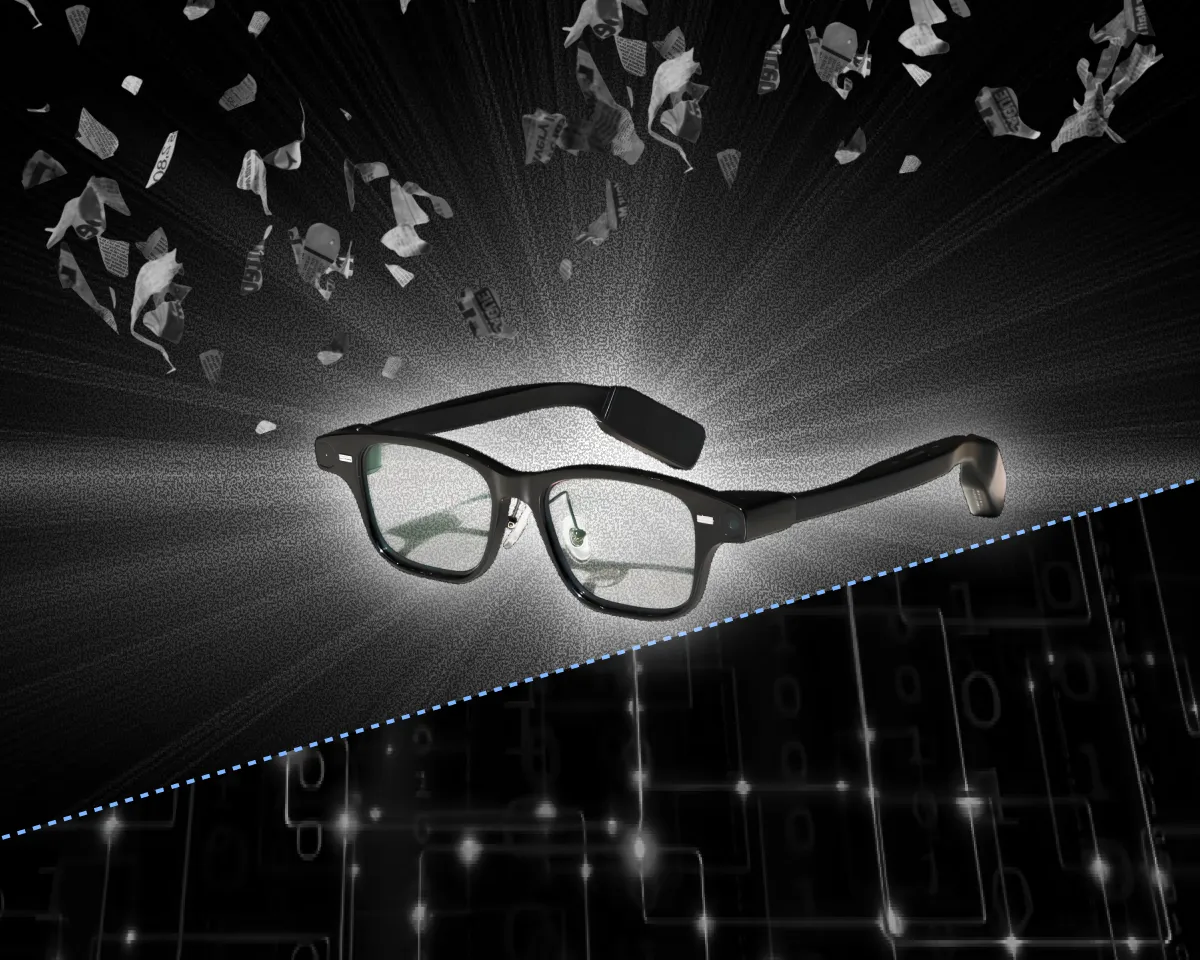
Meta Platforms Technologies continues to push the boundaries of wearable technology, and a fresh patent application published by the U.S. Patent and Trademark Office confirms: the future lies in automated video content. The developed system is designed for smart glasses and is capable not just of recording what is happening, but of deeply analyzing it—recognizing faces, interpreting participants' actions, and even editing video compilations in real time.
How it works
The essence of the technology described in the document boils down to intelligent video stream processing. A camera in the glasses captures the scene, while a built-in AI assistant identifies specific people, assesses their behavior, and evaluates their interactions. Based on this data, the system automatically highlights key moments—such as emotional reactions, conversations, or significant gestures—and compiles them into short, ready-to-view clips. An illustrative scenario from the application is a dinner party: the glasses' owner scans the guests, and the algorithm already offers them a highlight reel of the evening's most vivid episodes, eliminating the need for manual editing.
This is not just an improvement to the consumer experience, but a strategic step toward a contextual computing paradigm. Meta is clearly moving toward making wearable devices not a passive accessory, but an active participant in social interaction. Unlike traditional cameras that merely record, this system understands the semantics of the scene, paving the way for the automatic creation of "smart" memories.
Analyst's perspective
Meta's patent activity in this area is a signal that the company is preparing the ground for the commercial launch of the next generation of smart glasses with advanced AI. However, serious privacy concerns arise here: facial recognition without the explicit consent of all individuals being recorded is a legally slippery area in many jurisdictions. In my view, the technology's success will depend not only on technical implementation, but also on how Meta establishes ethical frameworks and control mechanisms. If they solve this problem, we will witness a new standard in wearable electronics. For now, this is just a patent, but the development trajectory is clear: the future belongs to autonomous systems that think for us.