Meta has patented a facial recognition system for smart glasses: a new step toward a real-time AI assistant.
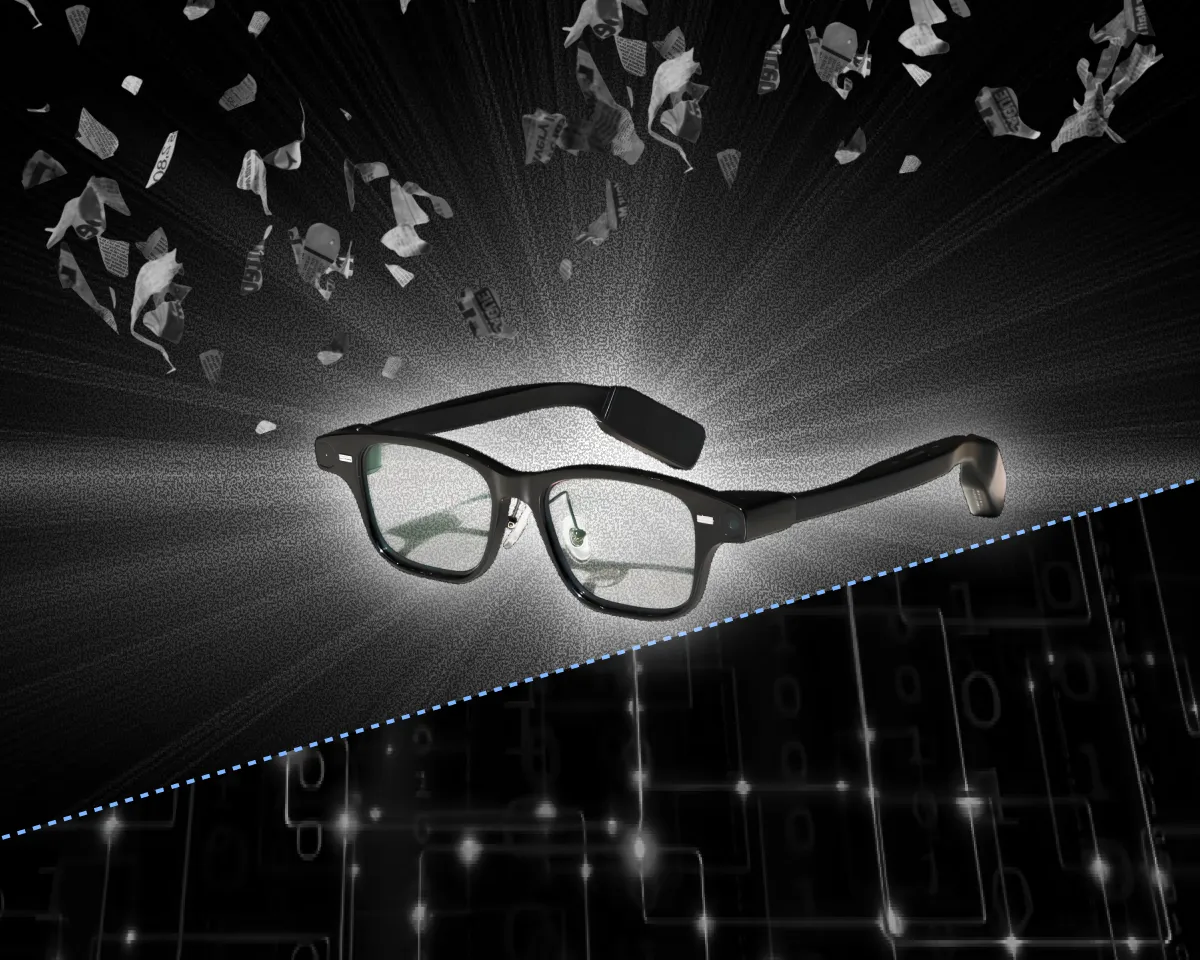
The U.S. Patent and Trademark Office (USPTO) has disclosed a new application from Meta Platforms Technologies, indicating the company's ambitious plans in the wearable devices sector. The application describes a system capable of identifying faces in the user's field of view in real time, analyzing their actions, and automatically compiling video highlights of the most significant moments.
According to the technical description, the algorithm works in conjunction with smart glasses cameras, processing the data stream on the device or via cloud servers. The key innovation is not just facial recognition, but semantic understanding of the scene. The system evaluates gestures, postures, and interactions between people to identify episodes that may hold value for the device owner.
As an illustrative scenario, the document cites a dinner party. The user wearing smart glasses scans the guests, while the built-in AI assistant records key moments in the background—conversations, laughter, toasts. At the end of the event, the algorithm offers a ready-made selection of video clips, eliminating the need to manually review hours of footage.
This patent is part of Meta's broader strategy to integrate generative and analytical AI models into consumer electronics. Unlike previous developments focused on augmented reality, this application centers on the practical use of computer vision for everyday tasks, which could become a significant advantage in competition with similar products from Apple and Google.
However, it is worth noting that a patent application does not guarantee an immediate commercial launch. Meta has repeatedly emphasized that some patented technologies remain experimental. Nevertheless, the development trajectory is clear: the company aims to transform glasses from a passive accessory into an active digital assistant that understands social context.
My comment: Technologically, this is a logical continuation of the trend toward "ambient" interfaces, where the device operates without explicit commands. But the main challenge here is not algorithms—it is privacy. The question of how Meta will handle biometric data of third parties without their consent will be key for regulators. The patent is a bid for leadership, but real success will depend on the company's ability to build user trust and comply with EU and U.S. legislation.