The Philippine regulator tightens rules for listing crypto assets: privacy coins are banned.
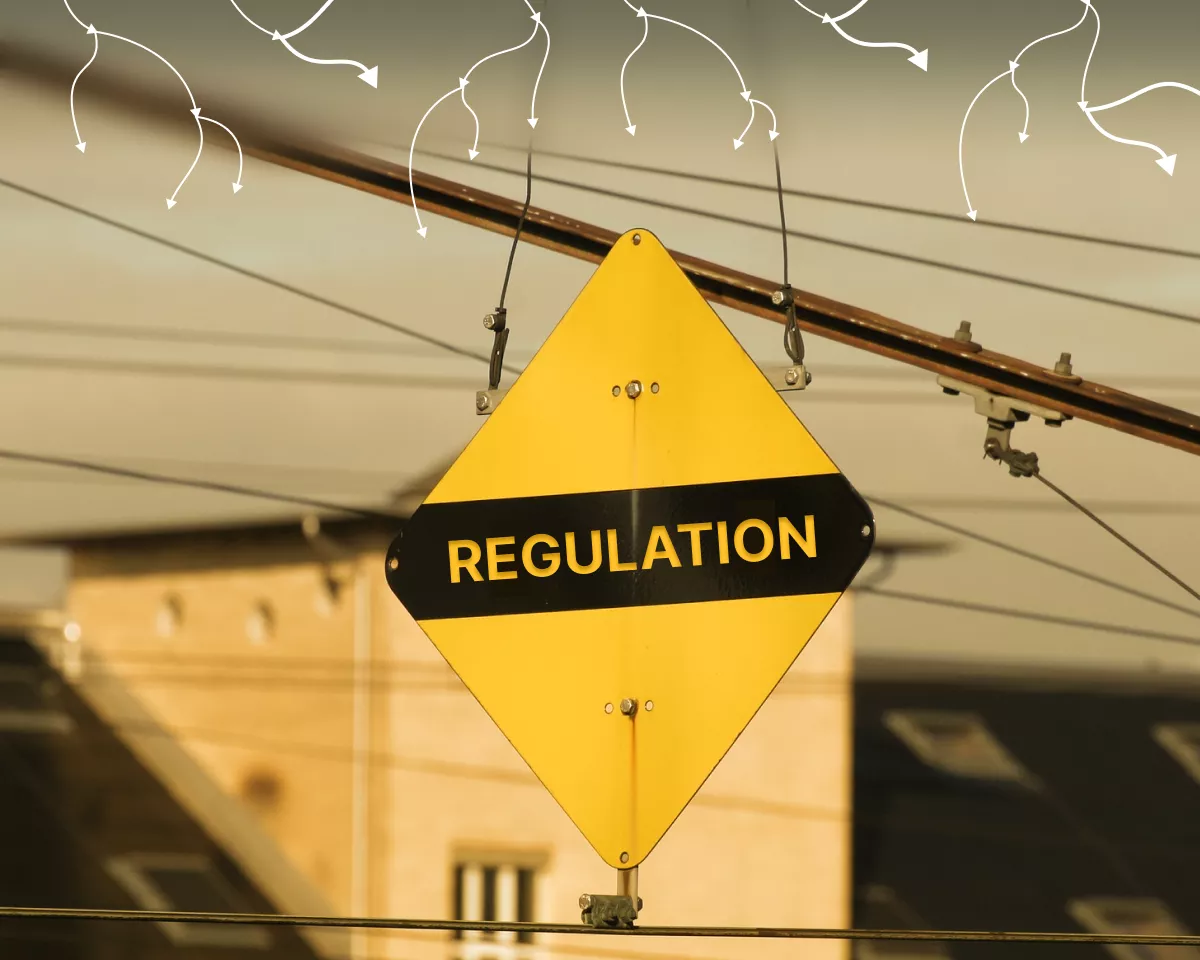
The Central Bank of the Philippines (Bangko Sentral ng Pilipinas) has officially approved updated cryptocurrency listing rules for all licensed virtual asset service providers. The new regulation introduces strict restrictions, including a direct ban on adding and supporting privacy-focused assets.
According to the new requirements, before listing any coin or token, providers must conduct a comprehensive review across six key areas. These include: analysis of issuer data, assessment of market maturity, study of use cases, project transparency and security, level of liquidity and reserves, as well as full compliance with current legislation.
Additionally, platforms are now required to continuously monitor already listed assets. The regulator demands that clear criteria and conditions for suspending trading or complete delisting be defined in advance, which significantly increases operational risks for exchanges dealing with less liquid or weakly regulated tokens.
Special attention in the document is given to anonymous cryptocurrencies. The ban on their listing is a direct measure aimed at combating money laundering and financing illegal activities. Such steps by the Philippine regulator are fully in line with the global trend of tightening control over privacy assets, which we observe in jurisdictions around the world.
As a professional analyst, I consider this step a logical continuation of the regulator's policy aimed at creating a transparent and secure environment for digital assets. However, it is worth noting that excessive pressure on privacy may push some users toward illegal or unregulated platforms, which ultimately weakens control rather than strengthens it.