The Philippine Central Bank tightens rules for listing crypto assets: privacy coins are banned.
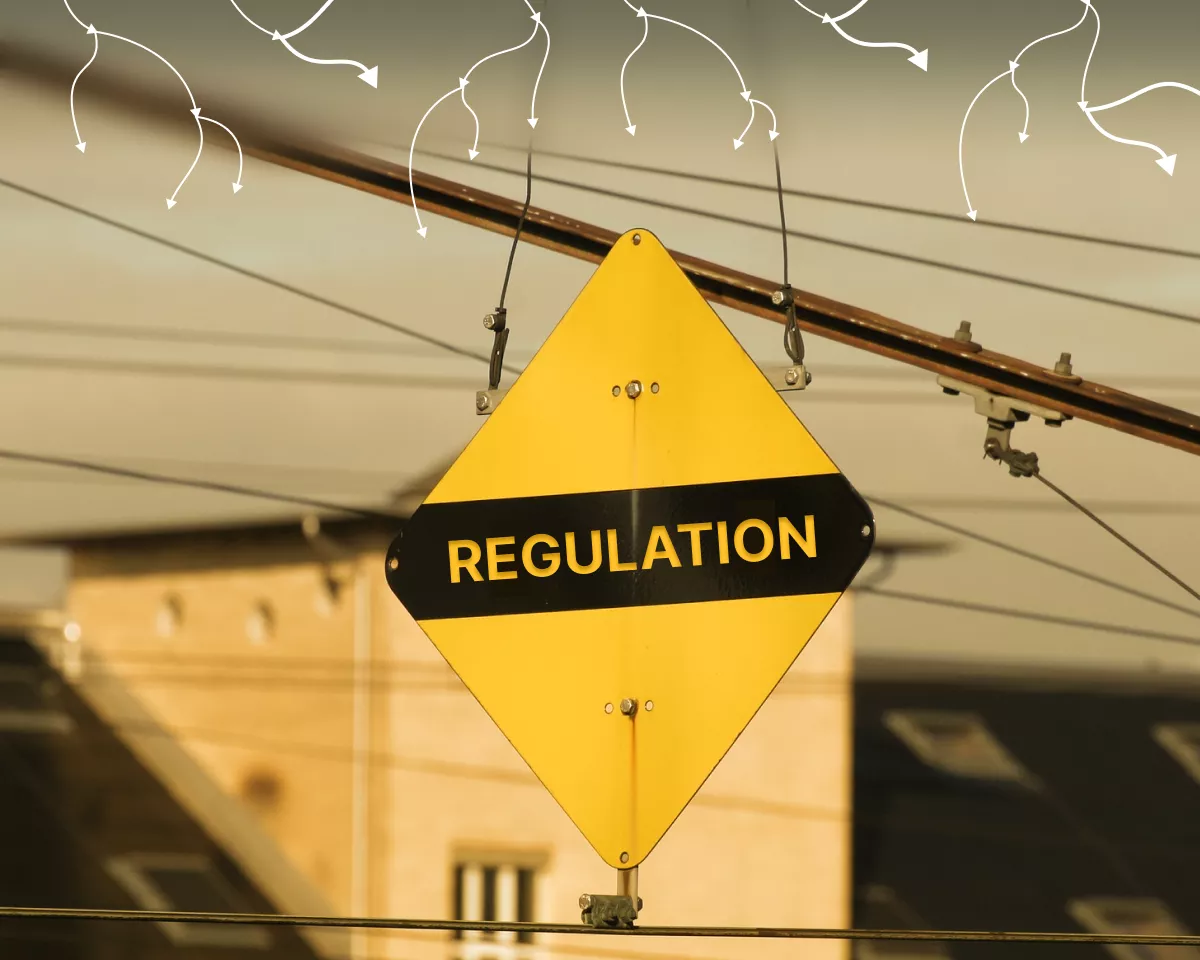
The Central Bank of the Philippines (Bangko Sentral ng Pilipinas, BSP) has officially approved an updated regulation for the listing of digital assets for all licensed Virtual Asset Service Providers (VASPs). The new document introduces a fundamental ban on the addition and support of privacy-oriented cryptocurrencies. This means that coins such as Monero, Zcash, or Dash will no longer be tradeable on Philippine platforms that have been registered with the regulator.
Before including any asset in a listing, providers are required to conduct a comprehensive review across six key areas. These include: analysis of data on the issuer and development team, assessment of market maturity and liquidity, examination of real-world token use cases, verification of smart contract transparency and security levels, as well as confirmation of compliance with local and international laws. Special attention is given to the sufficiency of the issuer's reserves and the transparency of their origin.
Additionally, the regulator mandates platforms to conduct ongoing monitoring of already listed assets. Each exchange must predefine clear criteria for suspending trading or delisting coins in the event of deterioration in their fundamental indicators or the emergence of regulatory risks. This sets a precedent for stricter control over the market, where listings were previously often carried out without proper due diligence.
Expert commentary from Cryptalist: The BSP's decision is a logical step in the global trend of combating anonymity in cryptocurrencies. The ban on privacy coins will impact user privacy but increase transparency for regulators. For the Philippine market, this means liquidity will shift towards "cleaner" assets such as Bitcoin or Ethereum, which may temporarily reduce volatility but also narrow investment opportunities.