Philippine regulator tightens rules for listing crypto assets: privacy is prohibited
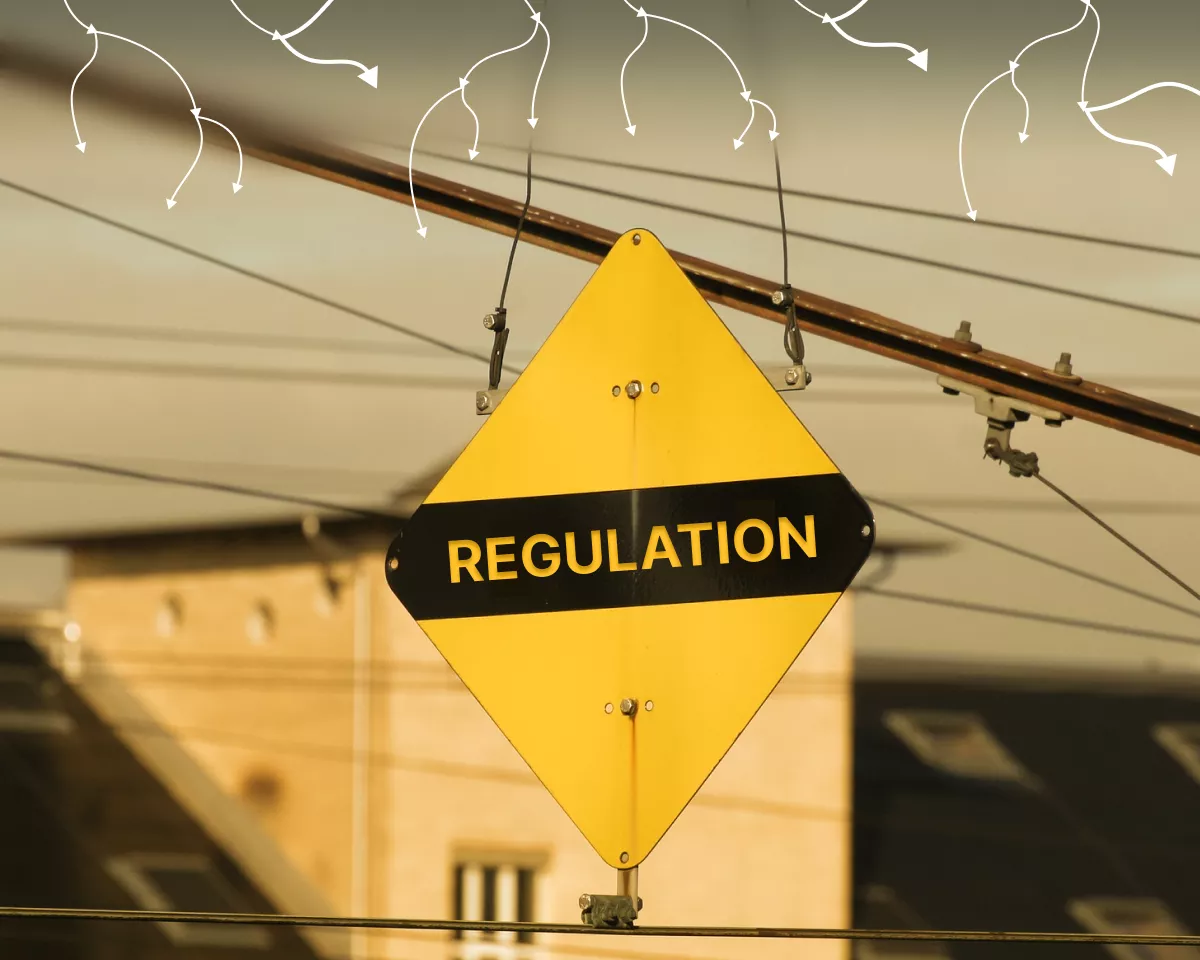
The Central Bank of the Philippines (Bangko Sentral ng Pilipinas) has officially approved a new regulation for licensed Virtual Asset Service Providers (VASPs), which fundamentally changes the approach to cryptocurrency listings. The key innovation is a direct ban on adding and supporting assets focused on enhancing transaction privacy.
This decision is not just a bureaucratic formality, but a clear signal to the market: the regulator prioritizes transparency over anonymity. "Privacy assets" include coins that use advanced methods to conceal sender, recipient, or transaction amount data. This directly impacts tools such as Monero, Zcash (with the shielded function enabled), or any tokens using protocols like zk-SNARKs, if they do not meet information disclosure requirements.
Six Pillars of Review: What Will Change for Exchanges
Now, before listing any digital asset, VASPs are required to conduct a multi-level review based on six key criteria:
1. Issuer Data: Full identification of the project's team, legal structure, and jurisdiction.
2. Market Maturity: Assessment of market capitalization, trading volume, and the asset's history.
3. Use Cases: Real-world applicability of the token, not speculative value.
4. Transparency and Security: Code audit, presence of vulnerabilities, and governance mechanisms.
5. Liquidity and Reserves: The platform's ability to ensure uninterrupted trading without manipulation.
6. Legal Compliance: AML/KYC regulations, sanctions lists, and local regulation.
Additionally, the regulator requires exchanges to implement a system for continuous monitoring of already listed assets. Platforms must predefine clear triggers for suspending trading or forced delisting — for example, in cases of fraud detection, protocol hacks, or a sharp drop in liquidity.
From my perspective, the Philippines is betting on a "quality" crypto market: fewer junk tokens, more responsibility from VASPs. However, the ban on privacy assets could trigger an outflow of some users to unregulated decentralized platforms, which would only complicate the tracking of fund movements. In the long term, this approach could become a template for other Asian regulators seeking a balance between innovation and financial security.