The Philippine regulator tightens rules for listing crypto assets: privacy coins are banned.
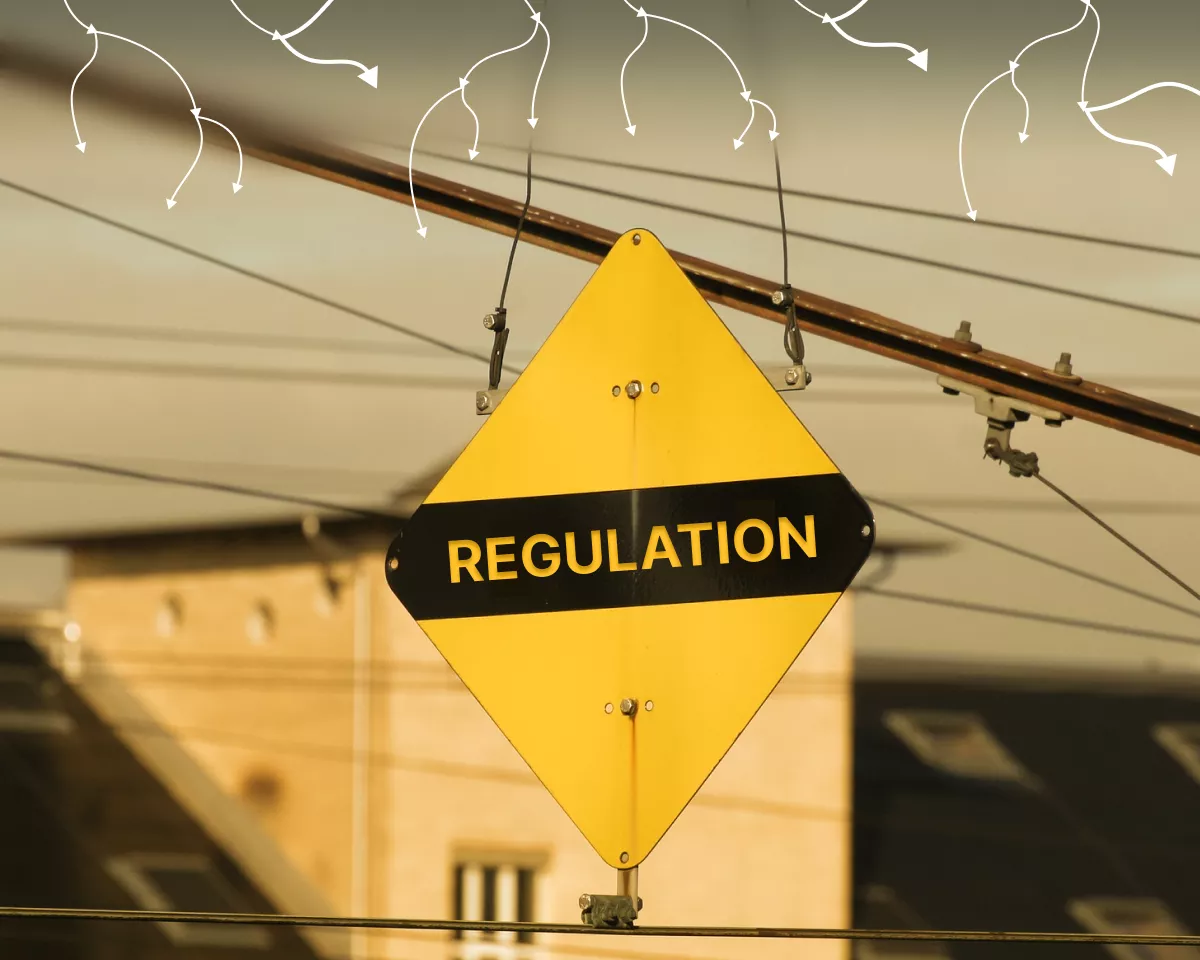
The Central Bank of the Philippines (Bangko Sentral ng Pilipinas, BSP) has officially approved updated rules for the listing of digital assets for all licensed Virtual Asset Service Providers (VASPs). The new regulation introduces strict evaluation criteria and, most importantly, imposes a direct ban on the addition and support of privacy-focused tokens.
Six Pillars of Verification
From now on, before including any coin or token in their listing, providers are required to conduct a multi-factor verification across six key areas. First and foremost, this involves analyzing data on the issuer and the project team. Next comes an assessment of market maturity — how in-demand the asset is and whether it has real liquidity. Special attention is paid to use cases: the regulator wants to see practical value, not speculative noise.
The mandatory checklist also includes code transparency and security, liquidity and reserve status, as well as full compliance with current legislation. Platforms are now not just required to perform a one-time check at listing — they must conduct ongoing monitoring of already added assets. Moreover, each exchange must predefine clear conditions for suspending trading or delisting, adding predictability to the market.
Blow to Privacy
The most resonant decision is a complete ban on privacy-oriented assets. This refers to cryptocurrencies that, by their architecture, conceal transaction details (e.g., Monero, Zcash, or Dash). For the regulator, this is a direct conflict with Anti-Money Laundering (AML) and Combating the Financing of Terrorism (CFT) requirements. From the BSP's perspective, the anonymity of such coins makes them a high-risk tool that cannot be controlled within the existing legal framework.
This step is a logical continuation of a global trend: regulators worldwide are increasingly cracking down on privacy coins, demanding full transparency from exchanges. For the Philippine market, which is actively developing and attracting international players, such measures mean tighter control, but also a potential decrease in appeal for those who value anonymity.
My expert commentary: The BSP's decision is not just a local tightening, but a signal for the entire industry. The ban on privacy assets could trigger a migration of some users to decentralized and non-custodial services, where regulatory control is minimal. However, for the long-term legitimization of the crypto market in the Philippines, such steps are inevitable: without transparency, there will be no trust from institutional investors and the banking sector.