The Philippine regulator tightens control over the listing of crypto assets: new rules take effect
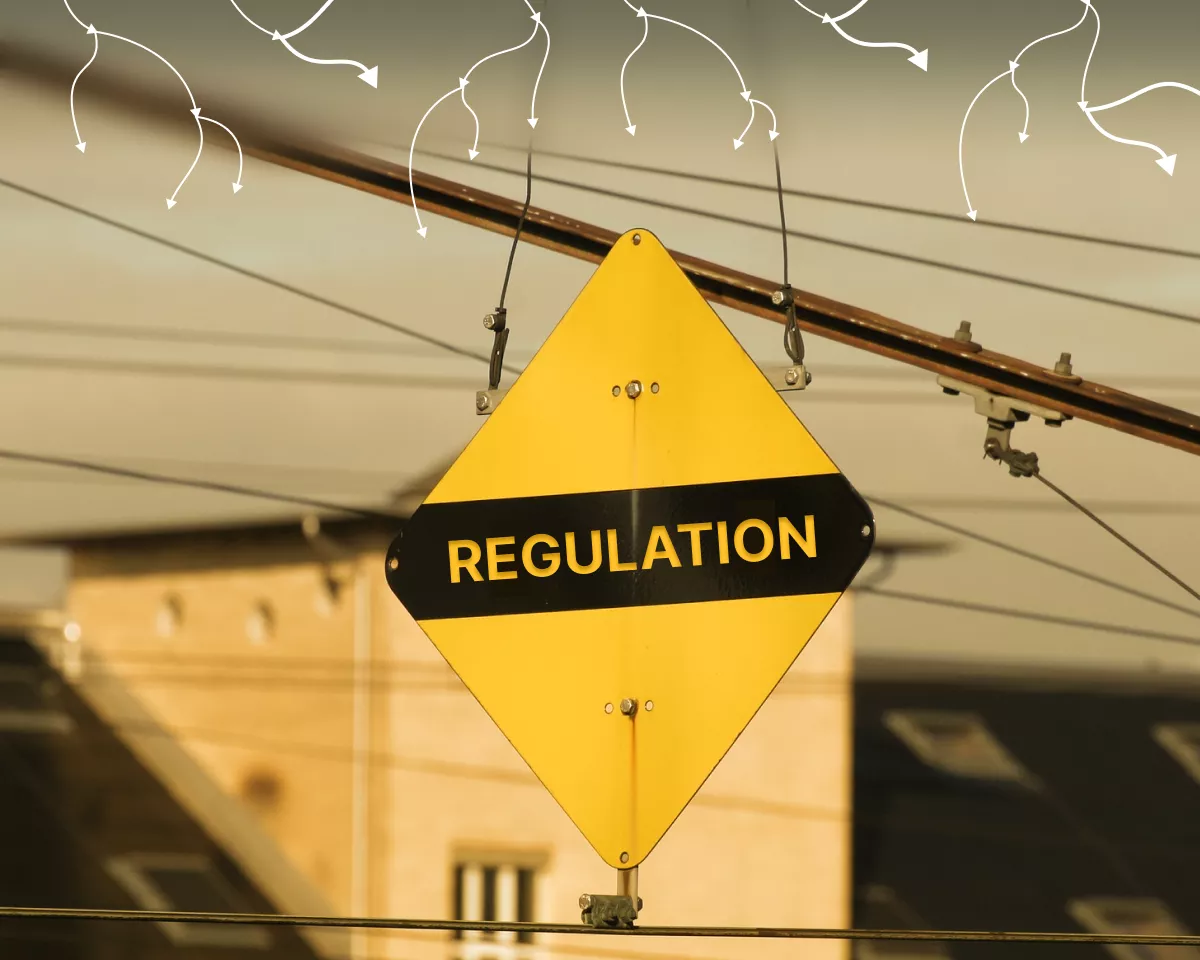
The Central Bank of the Philippines (Bangko Sentral ng Pilipinas) has officially approved updated cryptocurrency listing rules for all licensed virtual asset service providers. This move aims to enhance transparency and protect investors in the region's rapidly growing digital asset market.
A key innovation is a direct ban on adding and supporting privacy-focused cryptocurrencies. Assets such as Monero, Zcash, or Dash can no longer be listed on Philippine platforms. The regulator considers their use incompatible with anti-money laundering and counter-terrorism financing requirements.
Before adding any new token or coin, providers must conduct a multi-factor assessment across six key areas. First, data on the issuer and project team must be examined. Then, market maturity is evaluated—how liquid the asset is and whether it has real trading volume. Use cases and technological value are also subject to analysis. Special attention is paid to the transparency and security of smart contracts, as well as the adequacy of reserves. Finally, the asset must fully comply with local and international laws.
Additionally, platforms are required to conduct continuous monitoring of already listed assets. The regulator demands that clear criteria for suspending trading or delisting be defined in advance. This means any token that ceases to meet standards can be removed from circulation without lengthy bureaucratic procedures.
Cryptalist Analytical Commentary: The introduction of such stringent requirements is a logical stage in the evolution of Asian markets. The Philippines, being one of the leaders in cryptocurrency adoption in Southeast Asia, aims to create a balanced ecosystem. The ban on anonymous assets may deter some users, but in the long term, it will increase the trust of institutional investors. The main risk for projects is the need to simultaneously meet six criteria, which could significantly slow down the listing speed of new promising tokens.