The Philippine regulator tightens oversight: new requirements for listing crypto assets take effect
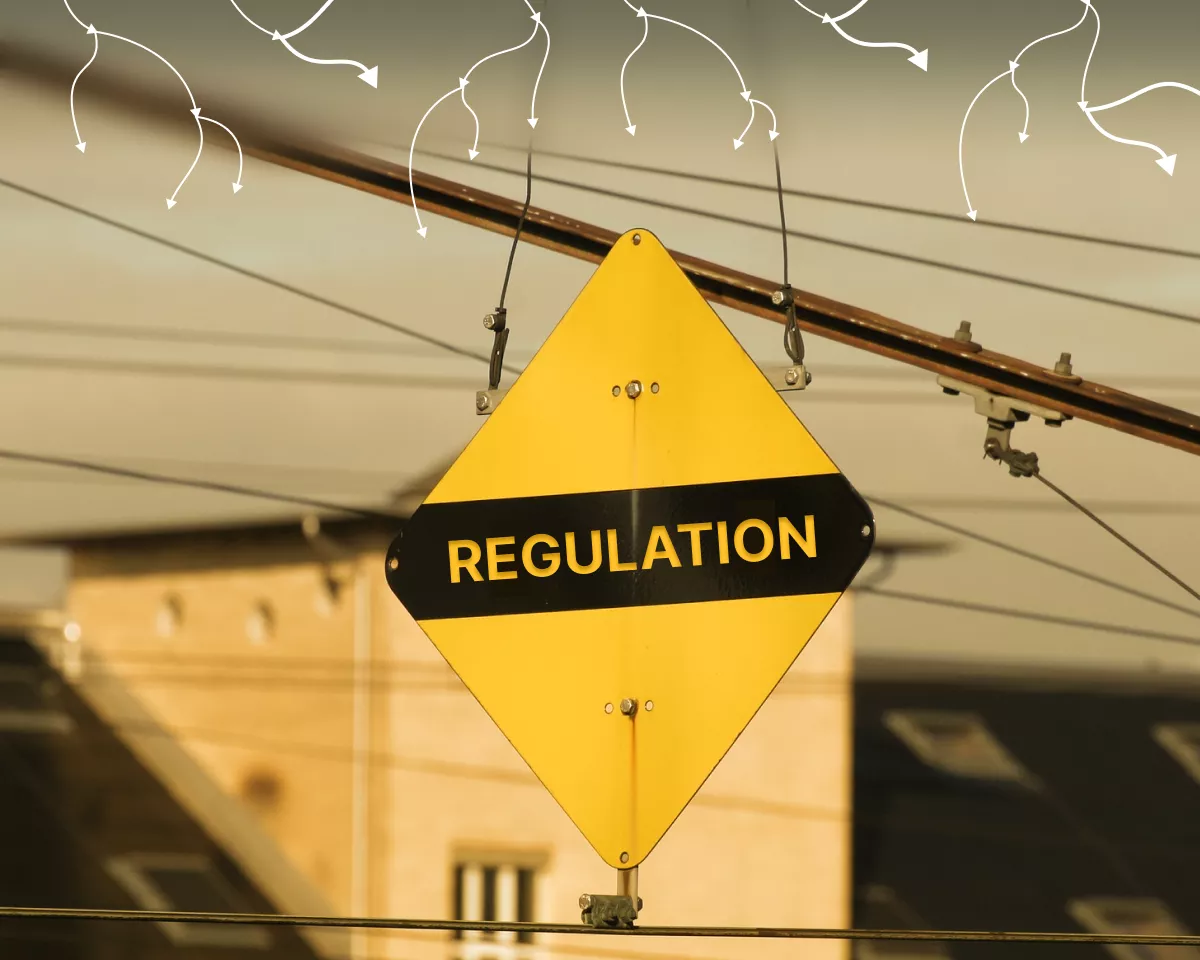
The Central Bank of the Philippines (Bangko Sentral ng Pilipinas) has officially approved an updated regulation for licensed Virtual Asset Service Providers (VASPs). The new rules introduce strict criteria for listing cryptocurrencies and, importantly, impose a direct ban on supporting assets focused on anonymity and transaction privacy.
Now, every trading platform operating under the country's jurisdiction is required to conduct a multi-factor review of coins and tokens before adding them. The assessment is carried out across six key areas: transparency of issuer data, maturity of the asset's market, its real-world use cases, level of code security and transparency, liquidity and reserve adequacy, and full compliance with local anti-money laundering laws.
Blow to Privacy. The ban on privacy coins is not just a technical detail but a clear signal to the market. The Philippine regulator, like many of its counterparts in the Asia-Pacific region, demonstrates zero tolerance for instruments that could be used to circumvent financial monitoring. This calls into question the legal circulation of coins such as Monero (XMR) or Zcash (ZEC) within licensed platforms.
In addition to preliminary screening, VASP providers are required to conduct continuous monitoring of already listed assets. The regulator demands that clear conditions for suspending trading or forced delisting be defined in advance and documented in the platform's policy. This means that any asset that ceases to meet the criteria over time will be immediately removed from circulation.
Analytical Commentary: This move by the Philippines is part of a global trend toward the institutionalization of the crypto market. The tightening of listing rules undoubtedly raises the entry threshold for small projects but simultaneously protects investors from outright fraudulent schemes. In the long term, this strengthens trust in legitimate platforms, although it creates additional operational costs for exchanges.