The Philippine regulator tightens rules: privacy coins banned for exchanges
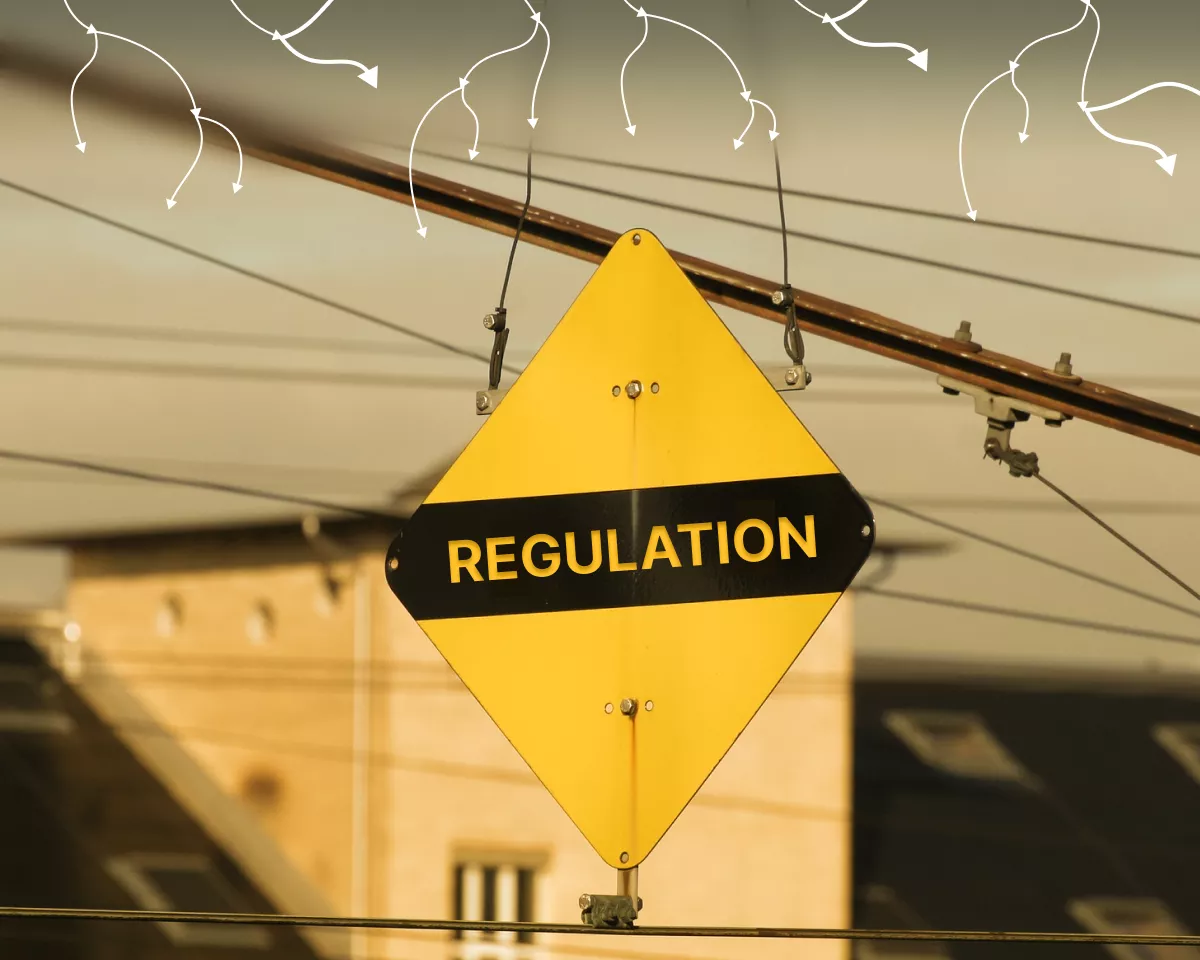
The Central Bank of the Philippines (Bangko Sentral ng Pilipinas) has officially approved updated rules for the listing of digital assets for all licensed Virtual Asset Service Providers (VASPs). This move marks a significant tightening of regulatory pressure on the country's crypto market.
The key innovation is a direct ban on the addition and technical support of privacy-oriented assets. This refers to cryptocurrencies that use advanced anonymization protocols (e.g., Monero, Zcash, or Dash), which allow users to hide transaction histories and wallet balances. For the regulator, such tools pose heightened risks in the context of money laundering and the financing of illegal activities.
Six-Factor Check Before Listing
According to the new requirements, before including any coin or token in a listing, providers must conduct comprehensive due diligence across six key areas:
1. Issuer Data — full identification of the team or organization behind the project.
2. Market Maturity — assessment of the project's history, market capitalization, and level of community adoption.
3. Use Cases — analysis of the asset's real-world applicability, rather than speculative appeal.
4. Transparency and Security — verification of code, smart contract audits, and protection mechanisms.
5. Liquidity and Reserves — assessment of market depth and the availability of sufficient reserves to support trading.
6. Legal Compliance — confirmation that the asset does not violate local and international anti-money laundering legislation.
Additionally, the regulator requires exchanges to conduct ongoing monitoring of already listed assets. Platforms must predefine clear criteria for suspending trading or delisting — for example, in the event of identified vulnerabilities, liquidity disruptions, or changes in the project's legal status.
Analytical Commentary: Such measures are a logical continuation of the global trend toward verification and oversight of crypto assets. The Philippines, being one of the most active digital currency markets in Southeast Asia, seeks to balance innovation with investor protection. However, a complete ban on privacy coins may push some users into the unregulated DeFi sector, where control is virtually absent. This is a classic regulatory compromise that, in my view, only temporarily addresses the problem rather than eliminating its root cause.