The Philippine Central Bank tightens rules: privacy coins banned for licensed platforms
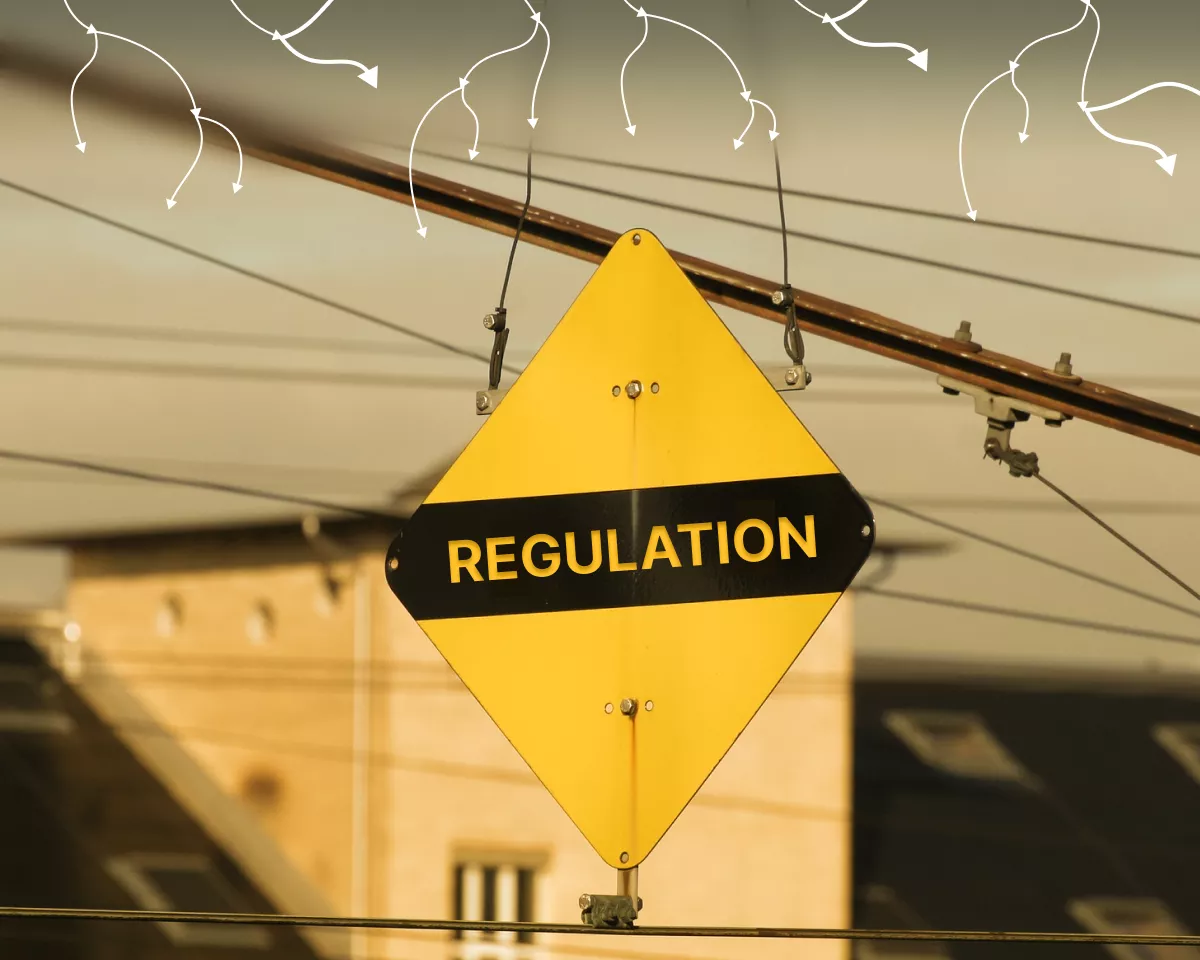
The Central Bank of the Philippines (Bangko Sentral ng Pilipinas) has officially approved an updated regulation for the listing of crypto assets for all licensed Virtual Asset Service Providers (VASPs). The key innovation is a categorical ban on the addition and support of tokens focused on anonymity and transaction privacy.
The new requirements introduce a strict pre-listing review procedure. Now, every asset seeking to be listed on a regulated platform must undergo an assessment based on six mandatory criteria:
- Issuer Information — transparency of the team and legal structure;
- Market Maturity — trading history, volumes, and time in existence;
- Use Cases — real-world applicability, not speculative value;
- Transparency and Security — code, audit, vulnerabilities;
- Liquidity and Reserves — confirmed market depth;
- Legal Compliance — no conflict with local and international regulations.
In addition to a one-time review, the regulator requires platforms to conduct ongoing monitoring of already listed assets. Each VASP must predefine clear criteria for suspending trading or complete delisting. This means that even after a successful listing, an asset may be removed if its behavior or market conditions no longer meet the standards.
Analyst's Comment. The ban on privacy coins is a logical step in the context of the global KYC/AML trend. However, for the Philippines, where cryptocurrency is actively used for remittances and microfinance, this step may reduce the attractiveness of legal platforms. Investors should closely monitor how local VASPs adapt their listing policies — in the coming months, we will see a mass delisting of Monero and Zcash from regulated exchanges in the region.