The Philippine regulator tightens listing rules: privacy coins are banned
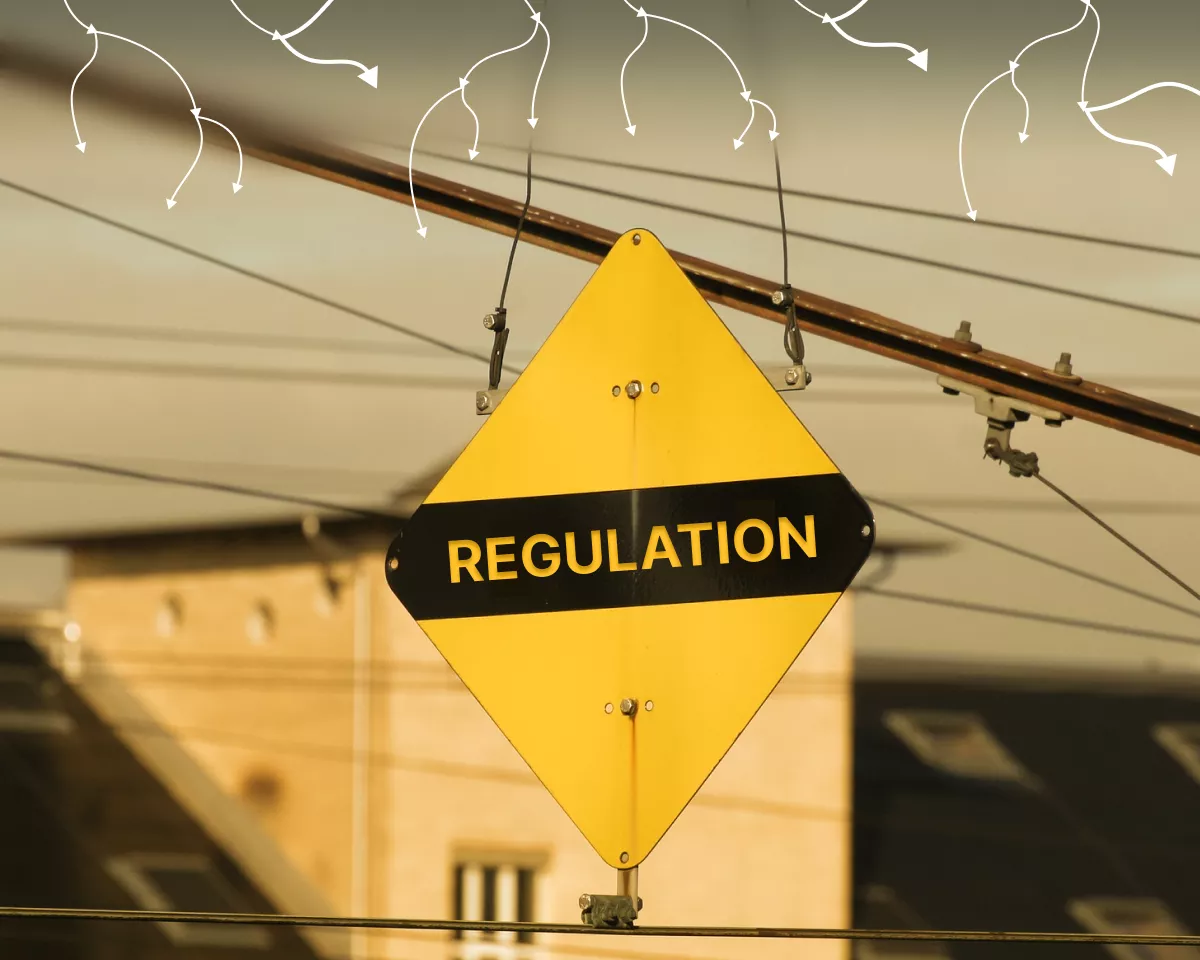
The Central Bank of the Philippines (Bangko Sentral ng Pilipinas, BSP) has officially approved an updated digital asset listing regulation for all licensed Virtual Asset Service Providers (VASPs). This move marks a tightening of control over the country's cryptocurrency market, particularly regarding anonymity and transaction transparency.
A key innovation is the direct ban on adding and supporting privacy-focused assets (privacy coins). These are coins that use advanced cryptographic methods to conceal sender, recipient, and transaction amount data, making them virtually untraceable. For a regulator seeking to combat money laundering and terrorist financing, such instruments pose an unacceptable risk.
The new regulation requires VASPs to conduct a multi-factor assessment of each asset before listing across six key areas:
- Issuer Data — identification and background of the team or organization behind the project.
- Market Maturity — evaluation of the project's history, market capitalization, and trading volume.
- Use Cases — practical value and demand for the token in the real economy.
- Transparency and Security — code analysis, audits, and governance mechanisms.
- Liquidity and Reserves — ability to ensure stable order execution and sufficient reserves.
- Legal Compliance — verification of adherence to local and international regulations, including sanctions lists.
In addition to preliminary screening, exchanges are required to organize ongoing monitoring of already listed assets. They must predefine clear criteria for suspending trading or delisting if an asset no longer meets requirements.
My analysis: The introduction of such a detailed regulation is a logical step for a mature regulator. The ban on privacy coins in the Philippines is not an isolated case but part of a global trend. I believe we will see similar measures in other jurisdictions in the coming years, especially in the Asia-Pacific region. For investors, this is a signal: when choosing trading platforms, it is necessary to consider not only liquidity but also the regulatory status of the asset, otherwise one may face sudden delisting.