The Bank of the Philippines tightens rules for listing crypto assets: privacy coins are banned.
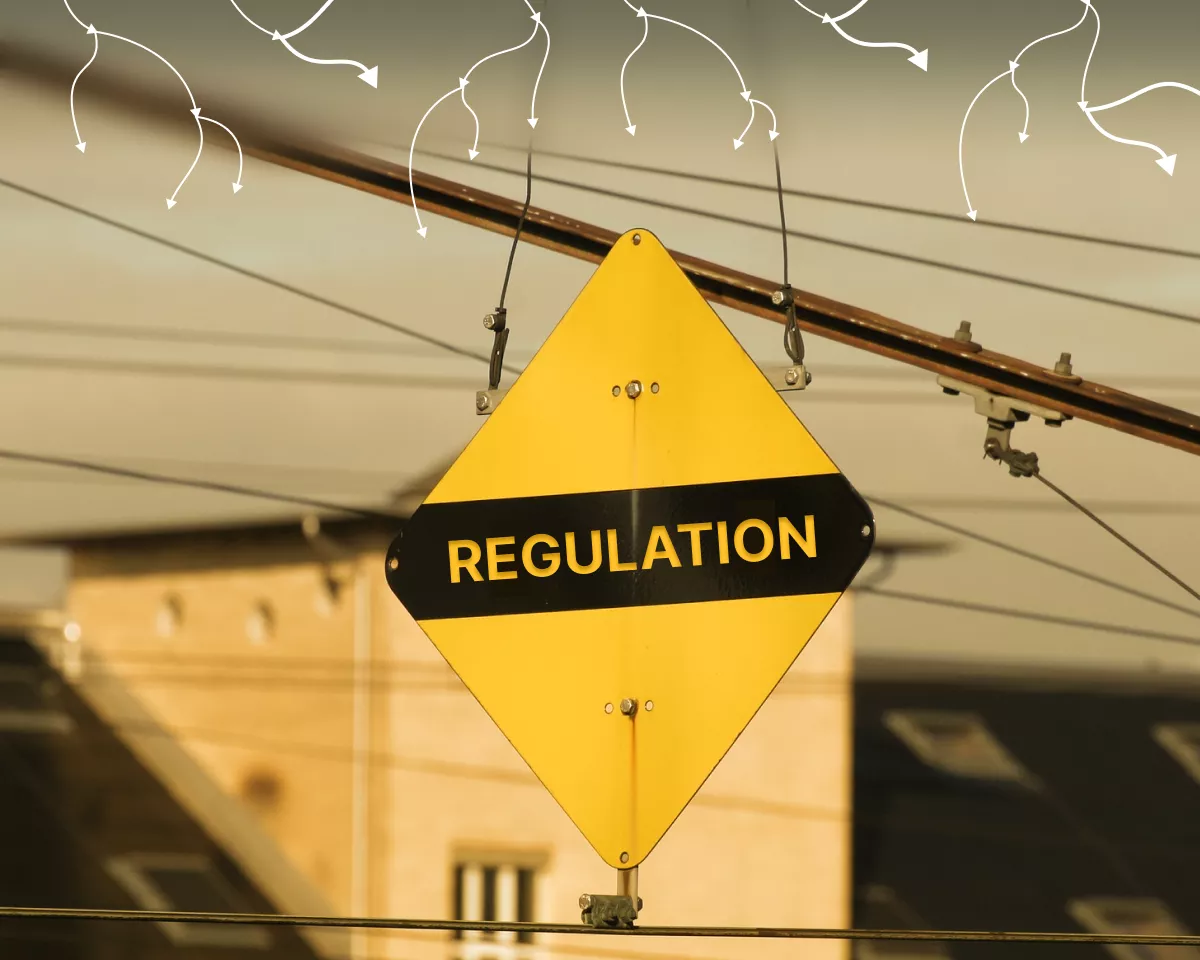
The Central Bank of the Philippines (Bangko Sentral ng Pilipinas) has officially approved updated rules for the listing of digital assets for licensed Virtual Asset Service Providers (VASPs). This move marks another stage in the tightening of regulatory control in the region, where the cryptocurrency market is showing active growth but faces increasing pressure from financial authorities.
The key innovation is a direct ban on the addition and support of privacy-oriented assets. This refers to cryptocurrencies such as Monero, Zcash, and Dash, which use advanced encryption methods to conceal transaction data and user balances. For the regulator, such tools represent a "black box" that could be used for money laundering and financing illegal activities, making them incompatible with KYC/AML requirements.
In addition, the new rules introduce a mandatory six-factor assessment for all coins and tokens before listing. Service providers are required to evaluate assets based on the following criteria: issuer data and reputation, market maturity and liquidity, real-world use cases, level of code transparency and security, availability of sufficient reserves, and full compliance with local and international laws. This effectively turns the listing process into a multi-stage audit that filters out projects with low capitalization or questionable legal foundations.
Monitoring and Delisting Requirements
Platforms are also required to conduct continuous monitoring of already listed assets. They must predefine clear conditions for suspending trading or complete delisting in the event of violations or changes in market conditions. This means that even after an asset is approved, the regulator may demand its removal if it ceases to meet the criteria.
My professional commentary: The decision by the Central Bank of the Philippines fits into the global trend of tightening regulation of privacy coins. However, this approach could harm legitimate users who value privacy, not just criminals. The market will likely respond with reduced liquidity for anonymous assets on regulated exchanges, pushing them toward decentralized protocols or unregulated jurisdictions.