The Philippine Central Bank tightens control: new rules for listing crypto assets and a ban on privacy coins
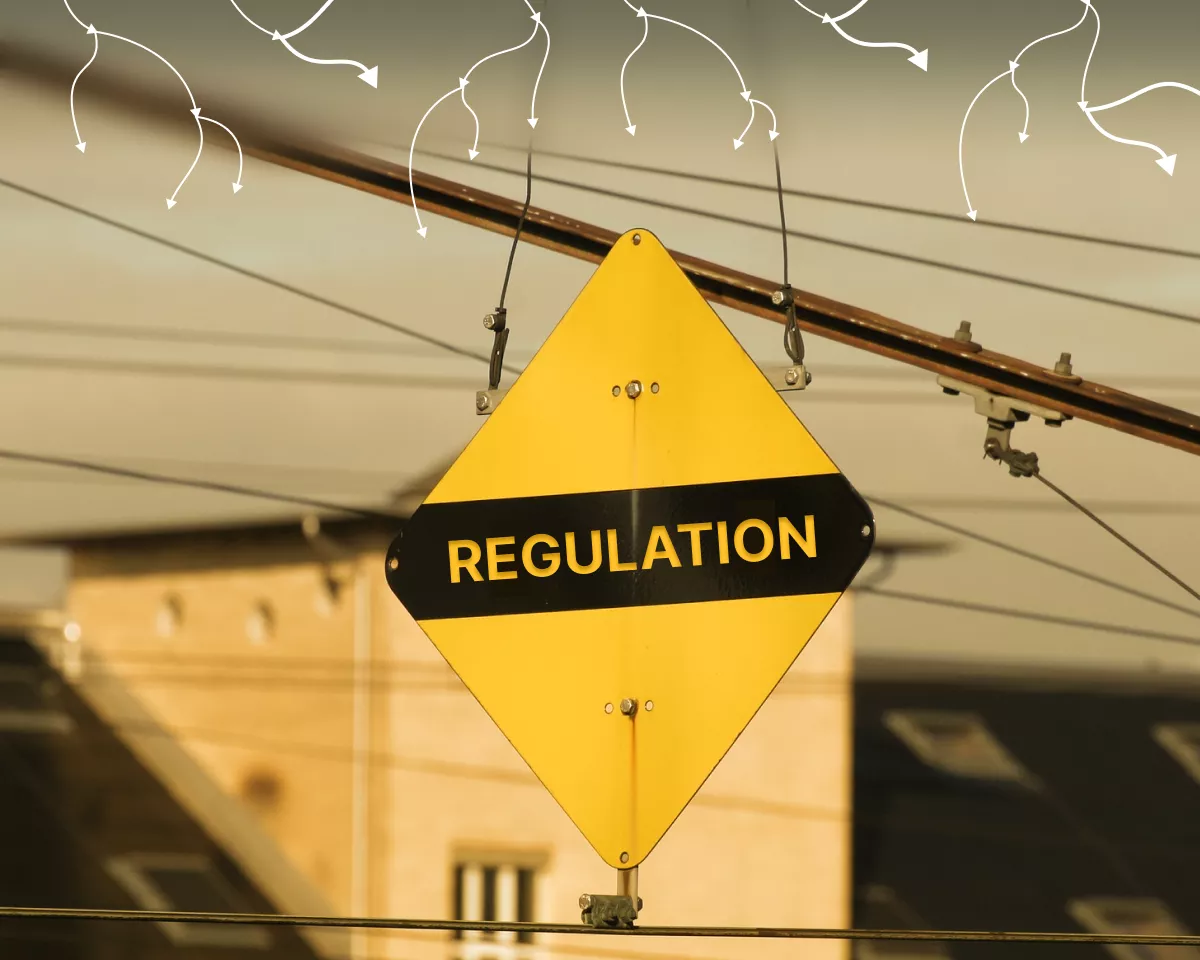
The Central Bank of the Philippines (Bangko Sentral ng Pilipinas) has officially approved an updated set of rules governing the cryptocurrency listing procedure for licensed virtual asset service providers. The key innovation is a direct ban on the addition and support of privacy-focused assets (privacy coins).
According to the new requirements, before including any digital asset in a listing, providers must conduct a comprehensive due diligence review across six critical areas. These include: verification of issuer data, assessment of market maturity, analysis of use cases, verification of code transparency and security, evaluation of liquidity and reserves, and strict compliance with local legislation.
Additionally, the regulator has mandated that platforms continuously monitor already listed assets. Providers must develop and approve clear criteria in advance for suspending trading or fully delisting tokens in the event of changes in market conditions or identification of violations.
This step by the Philippine regulator is a logical continuation of the global trend toward tightening control over the crypto market. The ban on private coins, such as Monero or Zcash, indicates a priority on combating money laundering and terrorist financing over user anonymity.
My analysis: This decision places the Philippines in line with the most conservative jurisdictions, such as Japan and South Korea, which have also restricted the circulation of privacy assets. For local exchanges, this means increased operational costs for compliance, but on the other hand, it enhances the market's legitimacy in the eyes of traditional financial institutions. Investors should consider that regulatory pressure in the Asia-Pacific region will only intensify, and anonymous coins risk becoming a "gray area" even on decentralized platforms.