The Philippine regulator tightens control: new requirements for listing crypto assets
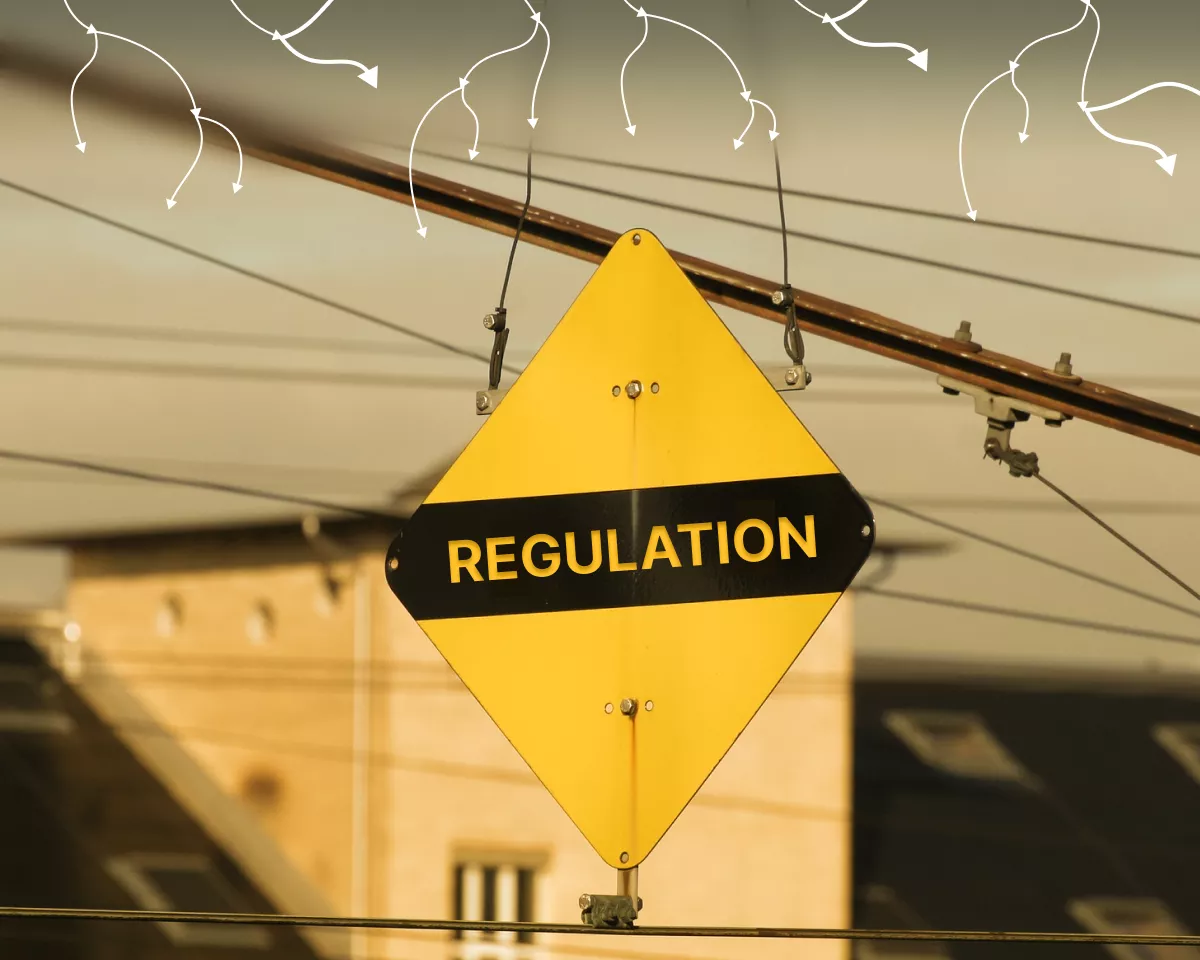
The Central Bank of the Philippines (Bangko Sentral ng Pilipinas) has officially approved updated rules for the listing of digital assets for licensed Virtual Asset Service Providers (VASPs). This move aims to enhance market transparency and protect investors, but simultaneously introduces significant restrictions for certain categories of cryptocurrencies.
The key innovation is a direct ban on the addition and support of privacy-oriented assets (Privacy Coins). Coins such as Monero, Zcash, or Dash will now be unable to be listed on Philippine regulated platforms. The regulator justifies this with risks of money laundering and financing of illegal activities, as such assets conceal transaction data.
Six-Factor Verification Before Listing
Now, every VASP provider is required to conduct comprehensive due diligence before adding any token or coin. The verification includes six mandatory areas:
1. Issuer Data — identification of the team, legal status, and jurisdiction of the project.
2. Market Maturity — analysis of trading history, market capitalization, and token distribution.
3. Use Cases — real applicability of the asset, not speculative value.
4. Transparency and Security — open-source code, smart contract audits, vulnerabilities.
5. Liquidity and Reserves — market depth, presence of market makers, sufficient reserves for stable trading.
6. Legal Compliance — adherence to local legislation, including in the areas of KYC/AML.
In addition, platforms are required to conduct ongoing monitoring of already listed assets. If an asset ceases to meet the criteria, the provider must predefine scenarios for trading suspension or forced delisting. This creates additional burden on exchange compliance departments but improves market quality.
My professional comment: The Philippines continues the trend set by Japan and Singapore — tightening rules for anonymous assets. However, the six-factor approach is a balanced solution. It does not kill innovation but filters out obvious scam projects and low-liquidity coins. For serious investors, this is a positive signal: the market is becoming cleaner, and the risks of manipulation are decreasing.