The Philippine regulator has tightened the rules for listing crypto assets: a focus on privacy is prohibited.
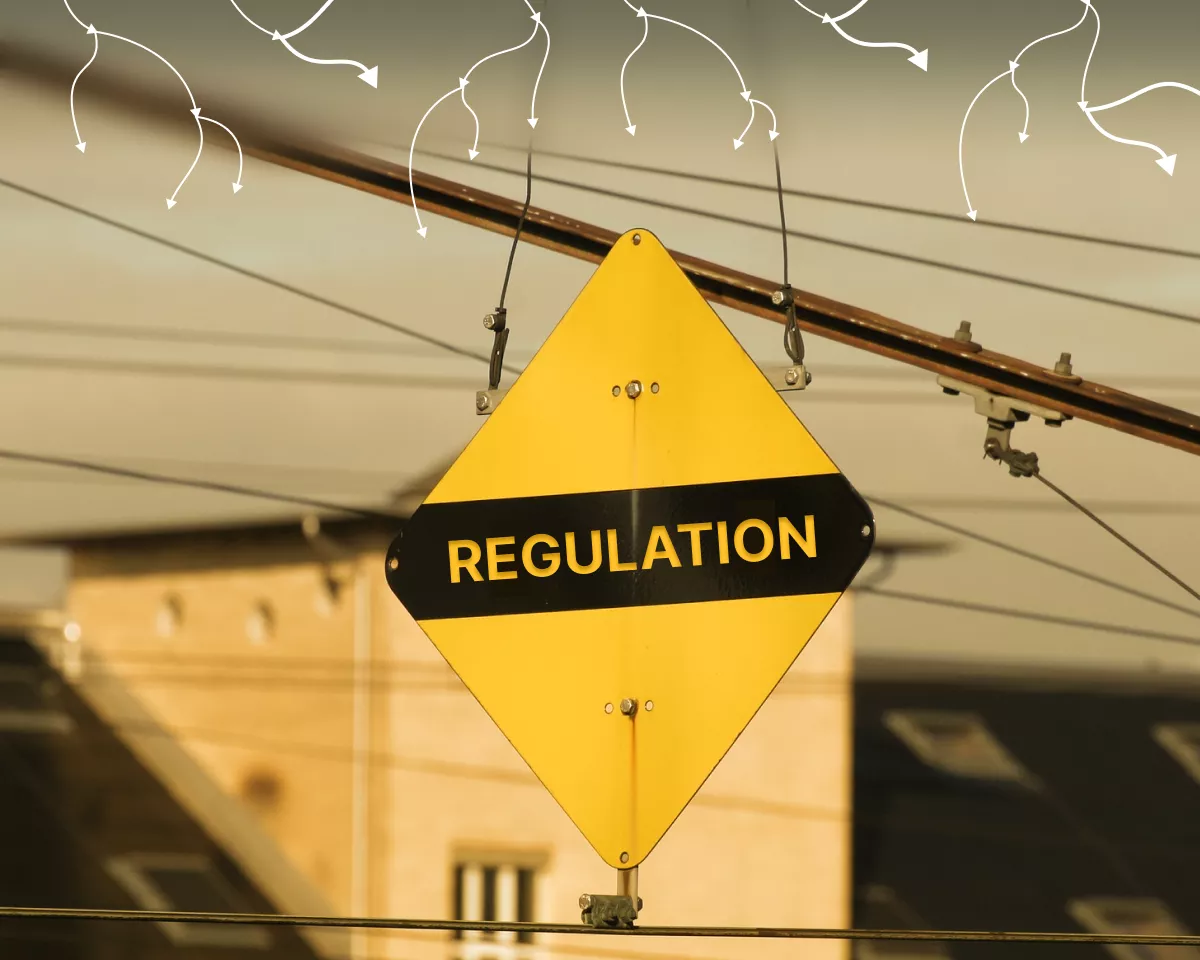
The Central Bank of the Philippines has officially approved updated rules for the listing of digital assets for all licensed virtual asset service providers (VASPs). The key innovation is a direct ban on the inclusion and support of privacy-oriented cryptocurrencies. This decision reflects a global trend of tightening control over anonymous transactions.
The new regulation requires platforms to conduct a multi-factor assessment of each asset before listing. The analysis must cover six mandatory areas: issuer data, market maturity level, practical use cases, transparency and security level, liquidity and reserves, as well as full compliance with local laws. This is not just a formal check, but a deep risk assessment that can no longer be bypassed.
Additionally, the regulator requires providers to conduct continuous monitoring of already listed assets. Platforms must predefine clear criteria for suspending trading or delisting. This means that any token that ceases to meet strict standards over time may be removed from circulation without lengthy approvals.
My analysis shows that the Philippines is becoming another key Asian market where regulators are consistently pushing out privacy coins. For investors, this is a signal: assets like Monero or Zcash may face serious liquidity restrictions in jurisdictions following this course. Professional market participants should review their portfolios in advance to ensure compliance with the new rules.