New rules for listing crypto assets in the Philippines: what has changed for exchanges and investors
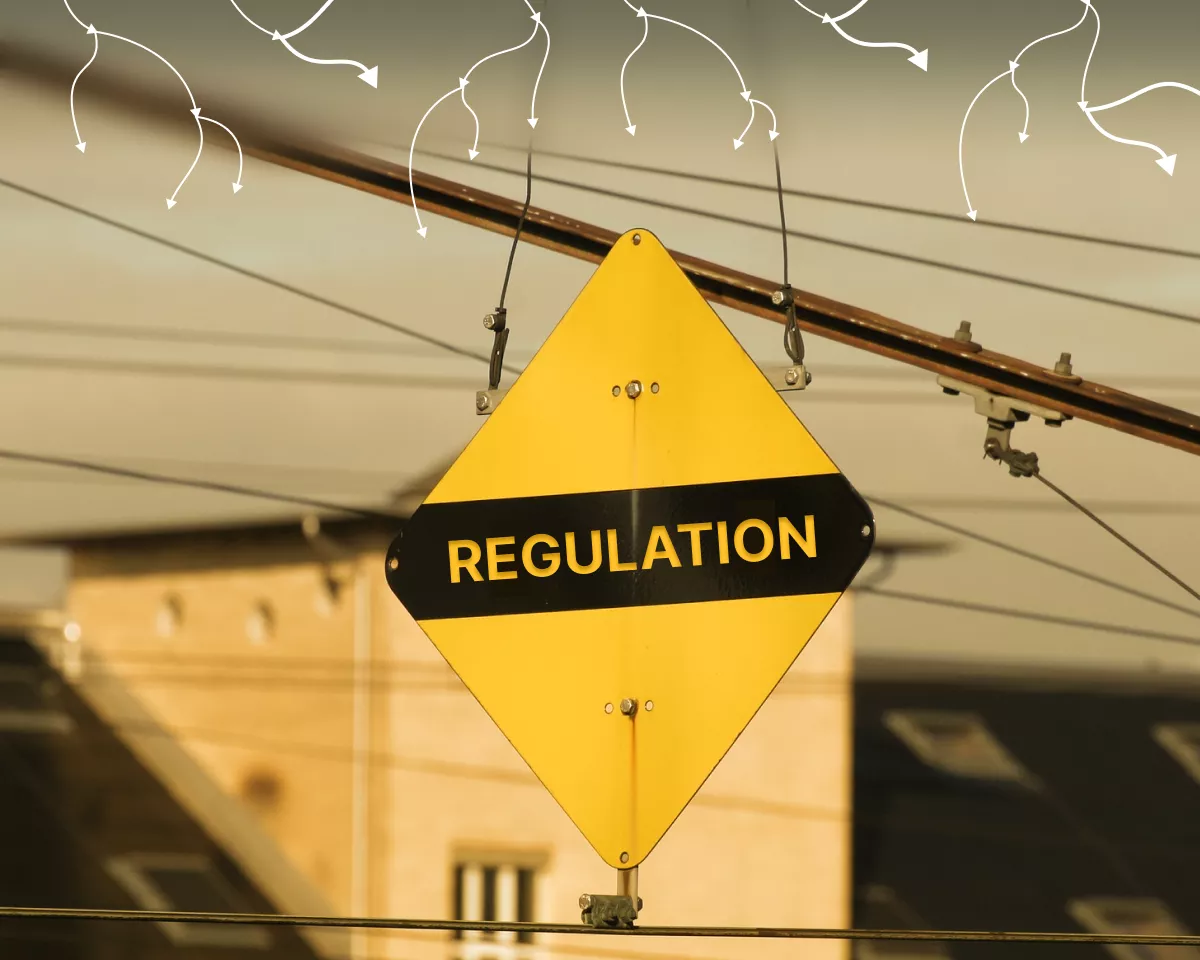
The Central Bank of the Philippines has officially approved updated cryptocurrency listing rules for licensed virtual asset service providers. The key innovation is a direct ban on adding and supporting privacy-focused assets. This is a step I consider logical within the global trend of tightening control over anonymous transactions, but it could significantly limit Filipino traders' access to privacy coins.
Now, before including any coin or token in their listing, providers are required to conduct a comprehensive assessment across six key areas. These include: data on the issuer and its reputation, the maturity and stability of the asset's market, real-world use cases, transparency and security of the code and team, level of liquidity and reserves, and full compliance with local laws. This is not just a formality — each platform must document that the asset has passed all these filters.
Additionally, the regulator introduces an obligation for exchanges to continuously monitor already listed assets. Providers must clearly define in their internal policies the conditions for suspending trading or delisting. This means that even after a successful listing, an asset may be removed if its market situation changes or risks to users arise.
From my perspective, such measures are aimed at protecting retail investors from fraudulent schemes and illiquid projects, but they also create additional administrative burdens for exchanges. In the long term, this could lead to market consolidation, where only large and well-capitalized platforms can meet the new requirements. For investors, this is a signal: only assets that have passed the strict screening of the Philippine regulator should be trusted.