The Philippine regulator tightens rules for listing crypto assets: privacy coins are banned.
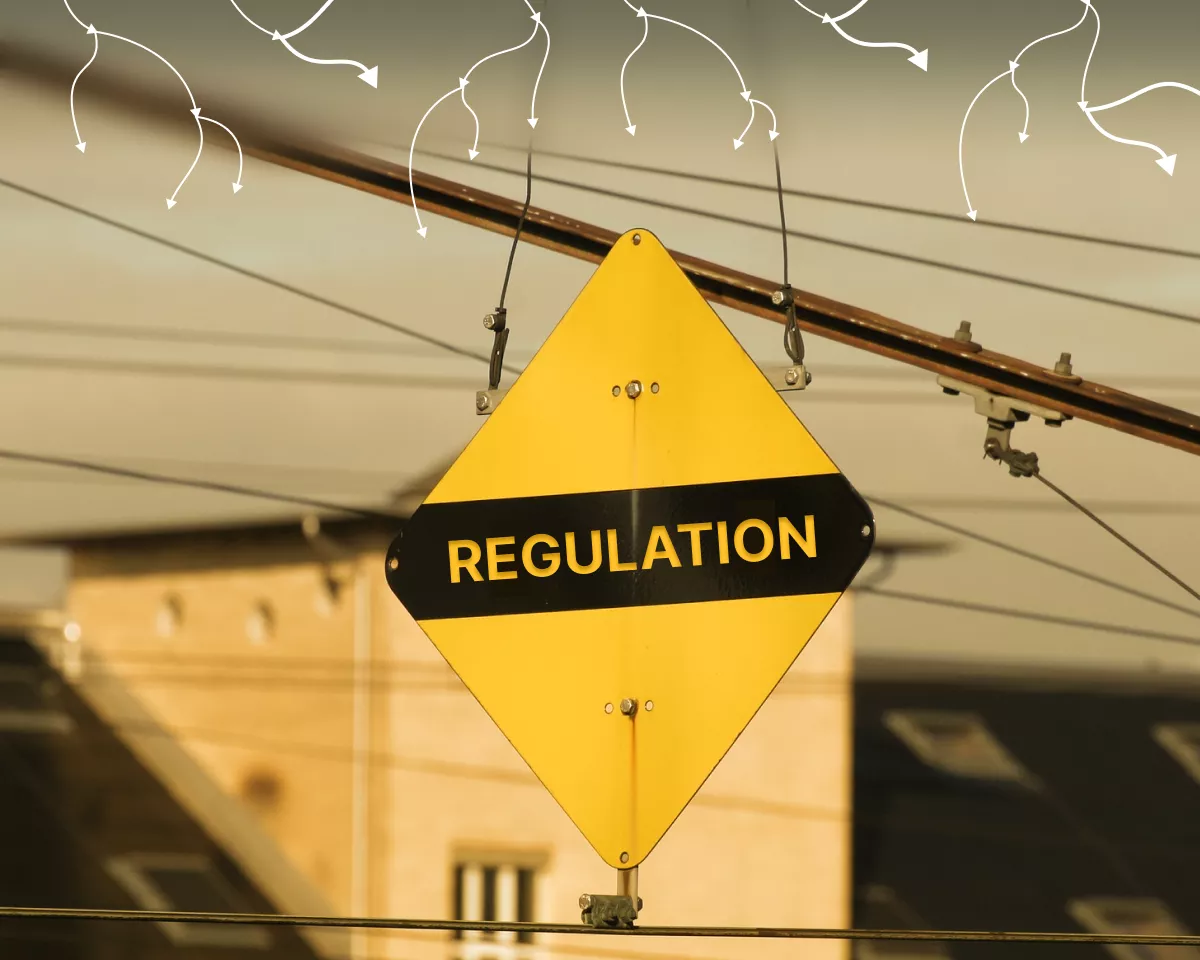
The Central Bank of the Philippines has officially approved a new regulation governing the listing procedure for digital assets for all licensed virtual asset service providers. The key innovation is a direct ban on adding and supporting cryptocurrencies focused on anonymity and transaction confidentiality. This decision demonstrates the regulator's consistent course toward increasing market transparency and combating money laundering.
Six-Factor Check: The New Due Diligence Standard
According to the adopted document, before including any token or coin in a listing, providers are required to conduct a comprehensive check across six key areas. These include: analysis of data on the issuer and project team, assessment of market maturity and liquidity, examination of real-world use cases for the asset, as well as an audit of code transparency, smart contract security, and compliance with local legislation. Special attention is paid to reserves and liquidity — the regulator wants to be sure that the assets are not "empty shells."
Ongoing Monitoring and Preventive Measures
The regulator also obligates exchanges not only to check assets upon entry but also to conduct continuous monitoring of already listed cryptocurrencies. Providers must develop and approve clear criteria in advance for suspending trading or delisting an asset. This means that at any time, upon detecting violations or changes in the market situation, the platform is required to respond promptly, without waiting for a direct order from above.
My expert opinion: The Philippines is setting a trend for emerging markets, where anonymous coins (such as Monero or Zcash) are often used as a tool to bypass capital controls. However, a complete ban on privacy-focused assets could harm legitimate users who value privacy. It would be much more effective to introduce mandatory use of Chainalysis analytical tools for tracking suspicious transactions rather than a total ban. Nevertheless, for large institutional investors, this approach is a definite plus: it reduces regulatory risks and increases trust in the Philippine market.