The Philippine regulator tightens rules for listing crypto assets: ban on privacy coins
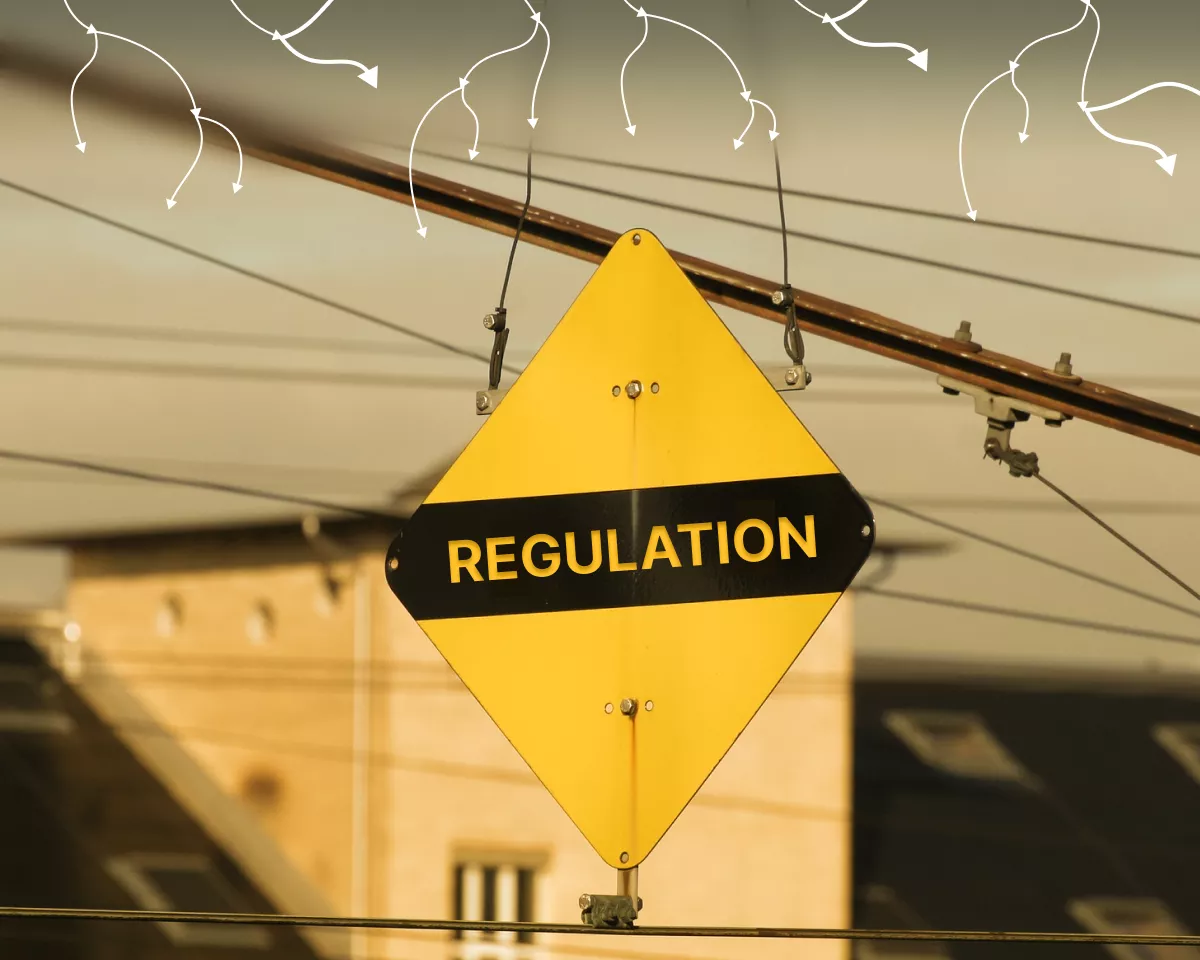
The Central Bank of the Philippines (Bangko Sentral ng Pilipinas) has officially approved new regulations governing the digital asset listing process for licensed Virtual Asset Service Providers (VASPs). The key innovation is a direct ban on adding and supporting cryptocurrencies focused on anonymity and privacy, such as Monero, Zcash, and Dash.
The new document establishes strict criteria for admitting coins and tokens to trading platforms. Before listing, providers are required to conduct a multi-factor assessment across six areas: issuer data, market maturity, real-world use cases, level of transparency and security, liquidity and reserves, and full compliance with local anti-money laundering (AML) and counter-terrorism financing (CFT) laws.
Additionally, the regulator requires platforms to organize continuous monitoring of already listed assets. Providers must predefine clear criteria for suspending trading or delisting — in the event of detected violations, decreased liquidity, or changes in the asset's regulatory status.
Analytical Commentary: This move by the Philippines is part of a global trend toward tightening control over the crypto market. The ban on privacy coins is a logical but harsh decision: anonymity remains a red line for regulators. However, such measures may reduce the attractiveness of local exchanges for international traders seeking tools with a high level of confidentiality. The market should prepare for further segmentation — countries will either completely block privacy assets or introduce special licenses for them with mandatory data disclosure.