The Philippine regulator tightens control: new rules for listing crypto assets come into effect
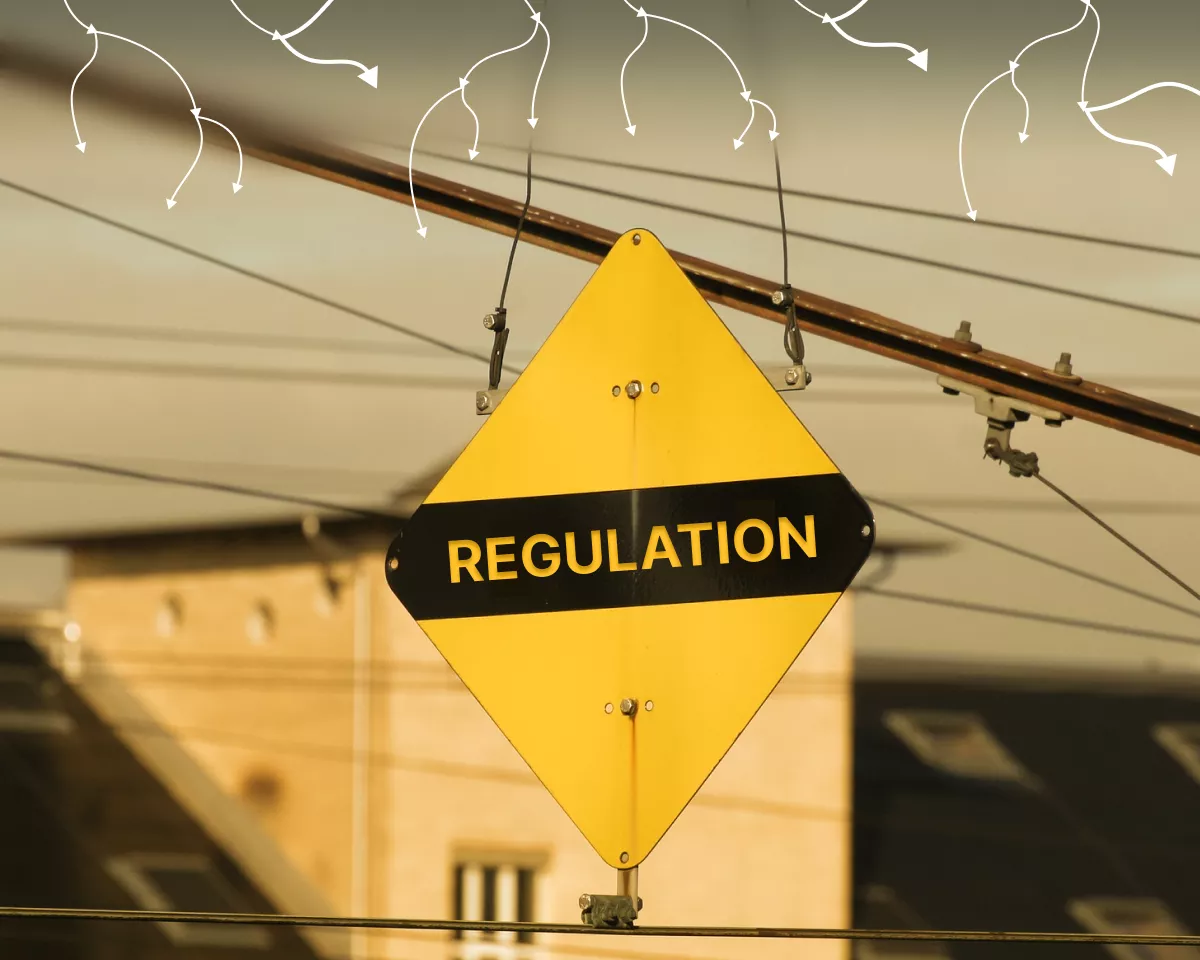
The Central Bank of the Philippines (Bangko Sentral ng Pilipinas) has officially approved updated rules for the listing of digital assets for licensed virtual asset service providers (VASPs). This is an important step in regulating the country's cryptocurrency market, which is now becoming more structured and transparent.
The main innovation is a direct ban on the addition and support of privacy-focused assets (privacy coins). Coins such as Monero, Zcash, or Dash, which use technologies that hide sender and recipient data, will no longer be able to be listed on Philippine platforms. This is fully in line with the global trend of tightening control over anonymous transactions, especially within the framework of FATF recommendations.
Six-Stage Verification: What Platforms Must Assess
Before adding any token or coin, providers are required to conduct comprehensive due diligence across six key areas. First, it is necessary to examine data about the issuer — its legal status, reputation, and history. Second, assess market maturity: trading volume, liquidity, and stability. Third, analyze the asset's use cases — how in-demand and legitimate it is. The fourth point is code transparency and security, including smart contract audits. Fifth is liquidity and reserves, especially for stablecoins. Sixth is full compliance with local laws, including anti-money laundering (AML) requirements.
Additionally, platforms are required to conduct ongoing monitoring of already listed assets. If a token ceases to meet the criteria or signs of fraud appear, the exchange must be prepared to suspend trading or carry out a delisting. This means the regulator expects VASPs to engage not in passive administration, but in active risk management in real time.
Expert opinion. The Philippines is clearly charting a course toward a "regulated but controlled" market. The ban on privacy coins is a signal to developers: anonymity in public blockchains will no longer be tolerated. For investors, this has a dual effect: on one hand, the risk of scams is reduced; on the other, the range of available tools is narrowed. I expect that within the next 6-12 months, other countries in the Asia-Pacific region, especially Indonesia and Thailand, will adopt similar measures.