The Philippine regulator tightens control over crypto assets: new listing rules take effect
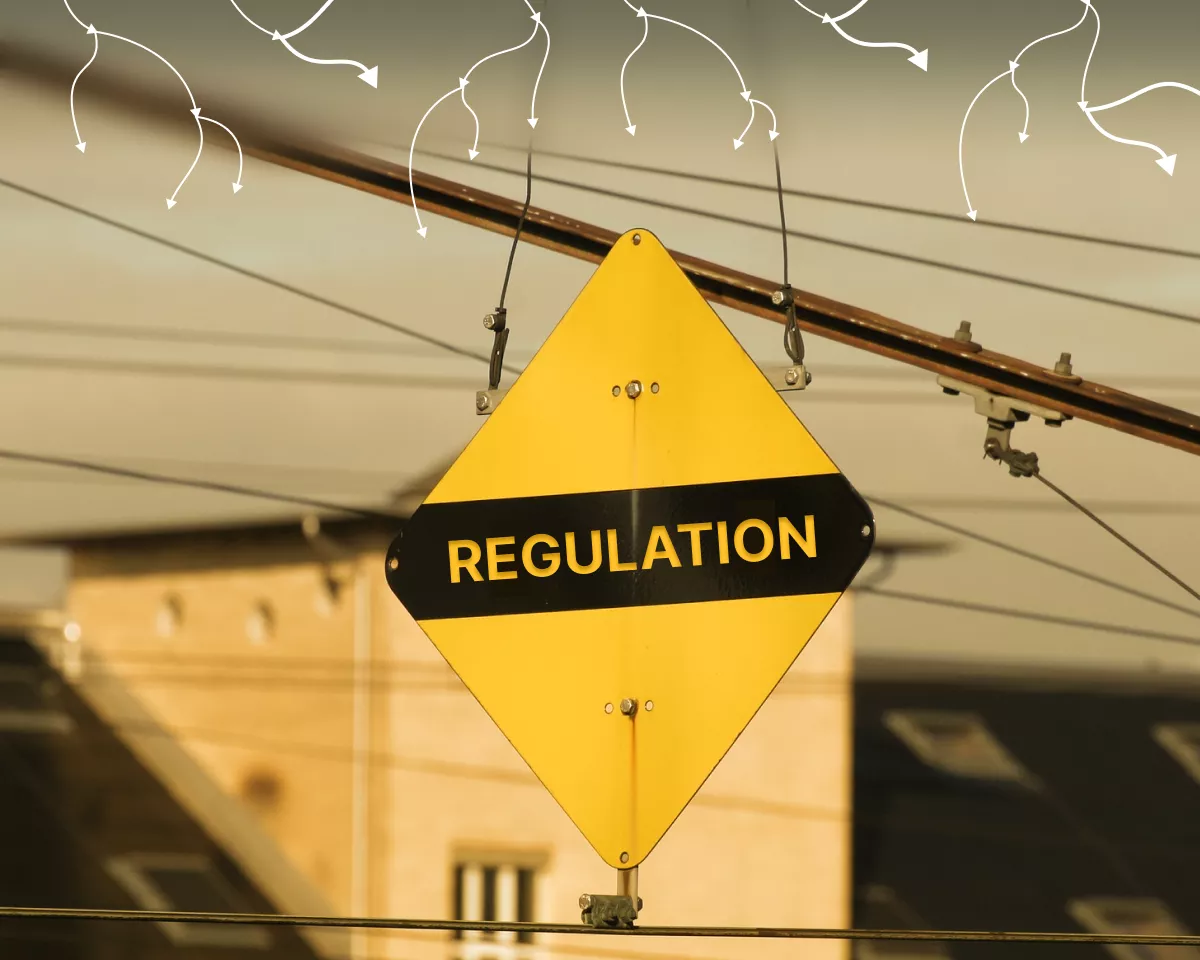
The Central Bank of the Philippines (Bangko Sentral ng Pilipinas) has officially approved updated rules for the listing of digital assets for licensed Virtual Asset Service Providers (VASPs). This move marks another stage in the tightening of cryptocurrency market regulation in the country, aimed at protecting investors and increasing operational transparency.
A key innovation is the direct ban on adding and supporting assets focused on privacy. This refers to cryptocurrencies that, by their architecture, conceal transaction details, such as amounts and the addresses of senders and recipients. For the regulator, this is clearly an unacceptable level of anonymity, creating risks for combating money laundering and terrorist financing.
Six-Step Filter for Tokens
According to the new requirements, before listing a coin or token, VASPs must conduct a comprehensive review across six key areas:
- Issuer Data: full identification of the team and legal entity behind the project.
- Market Maturity: assessment of market capitalization, trading volumes, and the asset's history.
- Use Cases: analysis of the token's real-world applicability and utility within the ecosystem.
- Transparency and Security: verification of smart contracts, code audits, and the absence of vulnerabilities.
- Liquidity and Reserves: guarantees of sufficient funds for uninterrupted trading.
- Legal Compliance: full adherence to local and international anti-money laundering legislation.
Moreover, platforms are now required to conduct continuous monitoring of already listed assets. They must predefine and document clear criteria for suspending trading or complete delisting in the event of a deterioration in the project's indicators or the emergence of regulatory risks.
My analysis: The Philippines is consistently building one of the most stringent yet structured cryptocurrency regulatory regimes in the Asia-Pacific region. The ban on privacy coins is a global trend that we are already observing in Dubai and Japan. For legitimate projects with a transparent team and a real product, these rules are not so much a barrier as a filter, weeding out overtly speculative "junk." The market becomes cleaner, but the price for this is the loss of privacy for end users.