Bitcoin miners are redirecting computing power to AI: a new era of HPC infrastructure
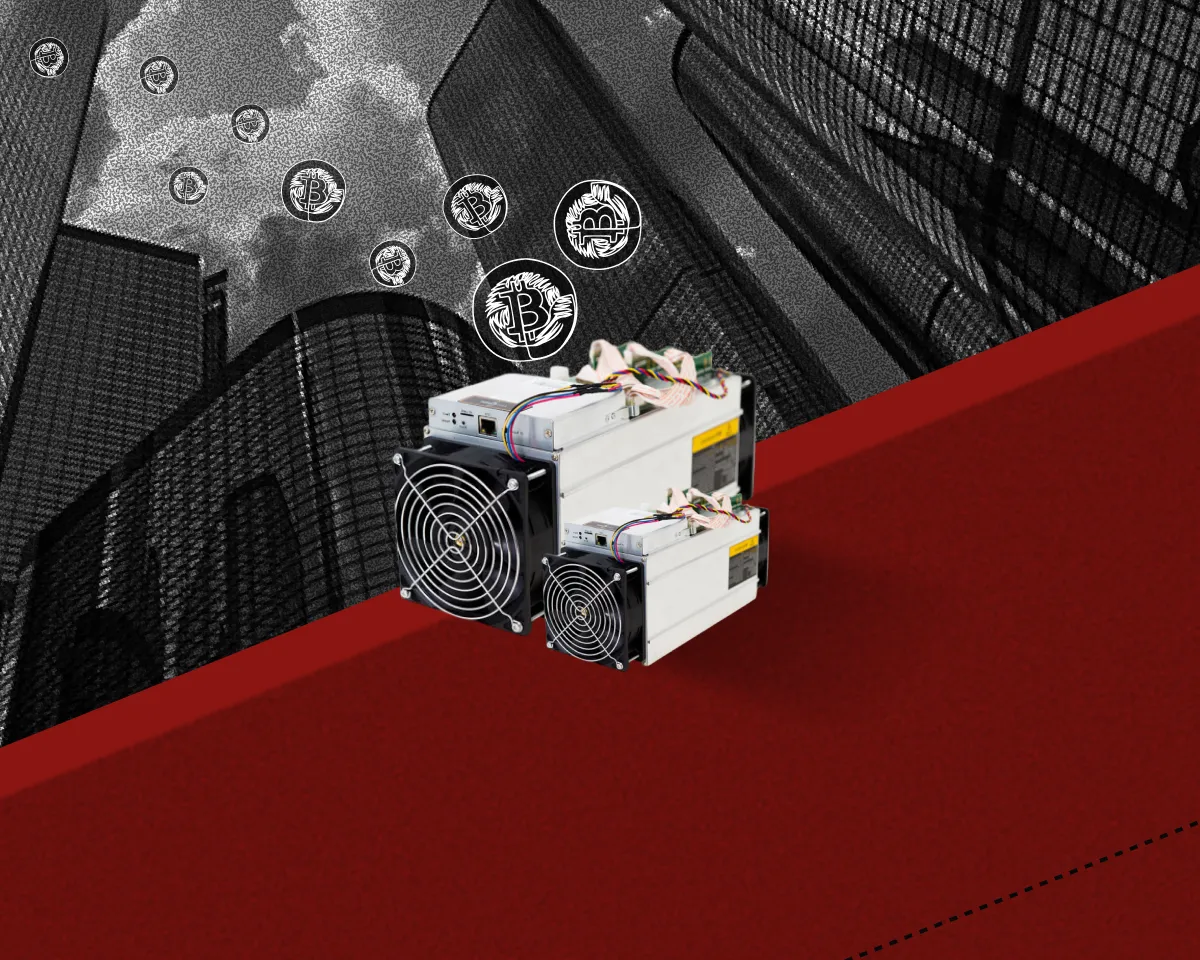
Public Bitcoin miners are actively transforming their energy capacities and data centers into platforms for artificial intelligence and high-performance computing (HPC). This trend is gaining momentum amid a sharp increase in capital expenditures in the AI sector and an acute shortage of sites with access to cheap electricity.
A key catalyst was Nvidia's recent $25 billion bond offering. Demand exceeded $85 billion, demonstrating the enormous appetite of investors for AI-related infrastructure. Although the deal was not directly aimed at financing data centers, it clearly signals the scale of market expectations, where Nvidia's graphics processors remain the primary equipment.
Nvidia Returns to the Debt Market
This is Nvidia's first corporate offering since 2021. The initial plan to raise $20 billion was increased to $25 billion due to high demand. The issue is divided into seven tranches with maturities up to 2056 and coupon rates ranging from 4.25% to 5.625%. In my assessment, the deal is strategic in nature — it is less about raising capital and more about creating a credit benchmark and increasing liquidity. Unlike Meta or Alphabet, Nvidia does not build its own large-scale data centers, but it is a key supplier for them.
Miners Sell Access to Energy
The AI infrastructure market is changing the economics of mining companies. Not only chips are becoming scarce, but also land plots, grid connections, cooling systems, and ready-made data centers. Miners have an abundance of these assets.
Here are a few notable deals:
- Hut 8 signed a 15-year lease agreement for 352 MW of IT capacity in Texas with a base cost of $9.8 billion, which could reach $25.1 billion with extension options.
- TeraWulf signed two 10-year agreements with the cloud platform Fluidstack for over 200 MW of load, which will generate approximately $3.7 billion in revenue over the base term.
- CleanSpark is developing a multi-gigawatt AI platform, gaining access to up to 890 MW of capacity in the Houston area.
As CleanSpark CEO Matt Schultz noted, "we are advancing negotiations with data center tenants in parallel with efforts to secure sites and electricity."
Why Miners Are Moving to HPC
The shift toward AI is driven not only by demand for computing. After the halving and increased mining difficulty, the profitability of Bitcoin mining has significantly declined. Companies are seeking more stable and long-term sources of income. For AI customers, miners are attractive as owners of ready-made energy infrastructure. However, transitioning to HPC requires additional investments — data centers for GPUs differ from mining farms in terms of reliability, cooling, and maintenance requirements.
According to my data, as of November 2025, seven out of the ten largest public miners by hashrate were already generating revenue from AI or HPC. Nvidia's report in May 2026 confirmed sustained demand for AI infrastructure, which boosted mining company stocks.
My analysis: The trend of miners pivoting to HPC is not a temporary fad but a structural shift. Companies with large energy capacities and access to capital have a unique opportunity to diversify their business and secure stable cash flows for years to come. However, not every site is suitable for AI — significant investments in modernization will be required. Those who can efficiently retrofit their capacities will become key players at the intersection of the two industries.