The UK is preparing a total ban on social media for teenagers: what this means for the market
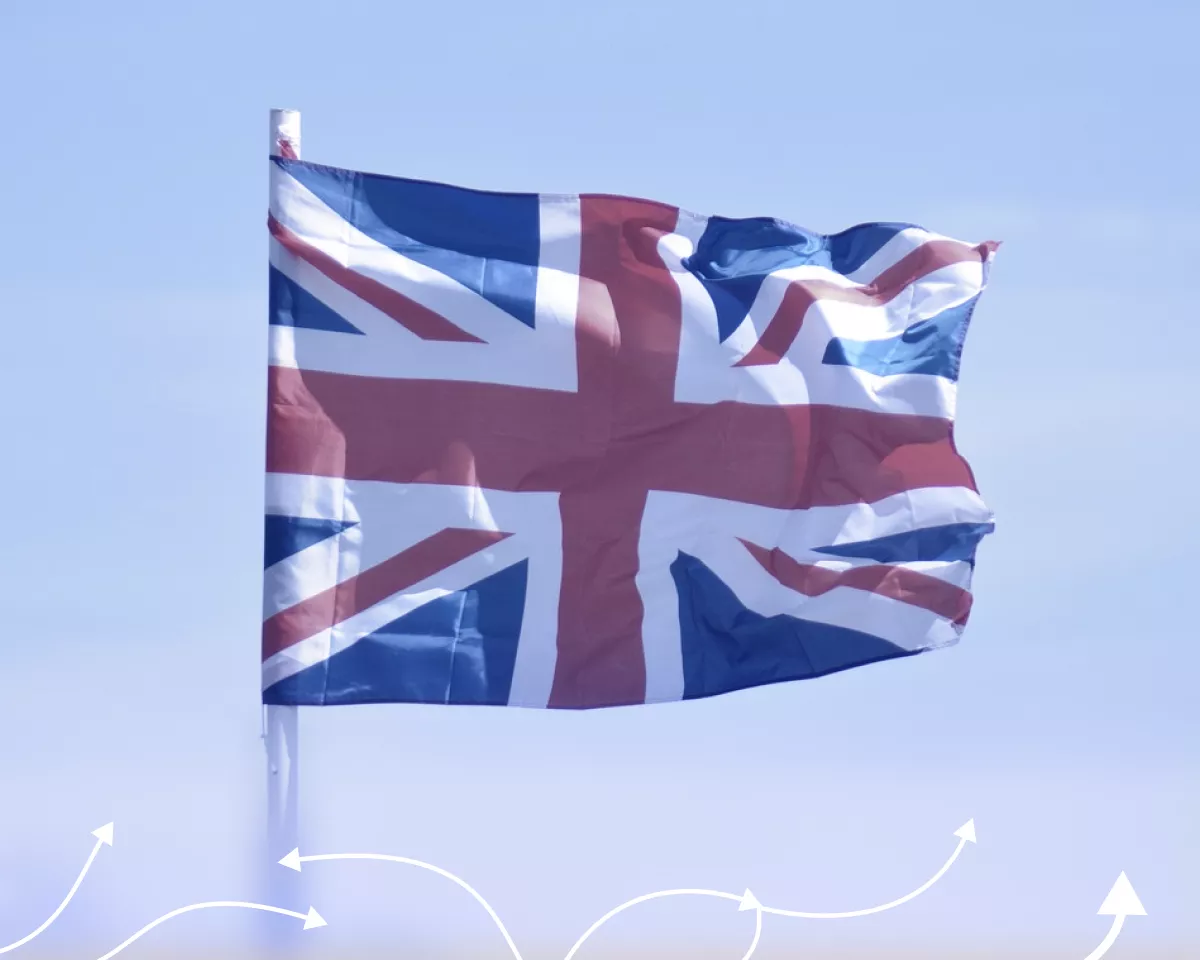
The British government has announced its decision to impose a complete ban on social media use for citizens under the age of 16. The relevant regulations are planned to be adopted by the end of this year, with the first practical measures potentially taking effect as early as spring 2027. This is one of the toughest steps among Western democracies in the field of digital environment regulation.
The ban model will be based on the Australian example. Platforms with algorithmic feeds and user-generated content will be subject to restrictions: Snapchat, TikTok, YouTube, Instagram, Facebook, and X. At the same time, messaging apps WhatsApp and Signal, as well as educational, commercial, and music streaming services, will remain accessible to minors.
Prime Minister Keir Starmer stated that the country is going further than any other in the world to "give children back their childhood." However, behind this noble message lies a serious market transformation: companies whose business models rely on attracting young audiences will face direct losses.
Additional measures and pressure on AI
Alongside the social media ban, authorities will tighten rules for minors on gaming platforms—they will be blocked from live streams and communication with strangers. By July 2026, a separate package of solutions regarding a "digital curfew" and forced feed pauses for users under 18 is expected.
Special attention is being paid to AI platforms. Chatbots that simulate romantic or sexual relationships will be required to set a minimum age of 18. This is a direct blow to the "AI companions" segment, which is actively gaining momentum in crypto and Web3 ecosystems.
Regulator Ofcom will conduct an accelerated study of age verification mechanisms, and Technology Minister Liz Kendall has requested an urgent review of enforcement capabilities for the new norms, with a promise of additional funding.
Public context and criticism
The ban is the result of the "Growing up in the Online World" public consultation, which involved more than 116,000 people. Nine out of ten parents supported the restrictions, and two-thirds of young respondents agreed that teenagers should not use at least some of the platforms. However, public opinion is divided: the older generation largely supports the measures, fearing bullying and harassment, while teenagers and some parents express concern about isolation and the loss of channels for self-expression.
Representatives from Meta, YouTube, and Snapchat have already criticized the initiative. Meta believes the ban will only push teenagers toward unregulated alternatives without built-in safeguards. Telegram founder Pavel Durov spoke even more sharply: in his view, teenagers will start using VPNs and gain access to much more dangerous content, and the problem essentially lies in the realm of parental control, not government bans.
Analytical conclusion: The UK is betting on the brute force of regulation, ignoring market mechanisms and technological realities. Instead of encouraging the development of secure decentralized solutions and blockchain-based age verification tools, authorities are choosing the path of total bans. This creates risks both for legal platforms and for users, who will inevitably move into the "gray" zone. From the perspective of the crypto industry, such steps are an alarming signal: if the state is ready to regulate social media this harshly, it will apply similar methods to Web3 projects at the first opportunity.