Tankers are in no hurry to Hormuz: a geopolitical pause and its hidden impact on bitcoin
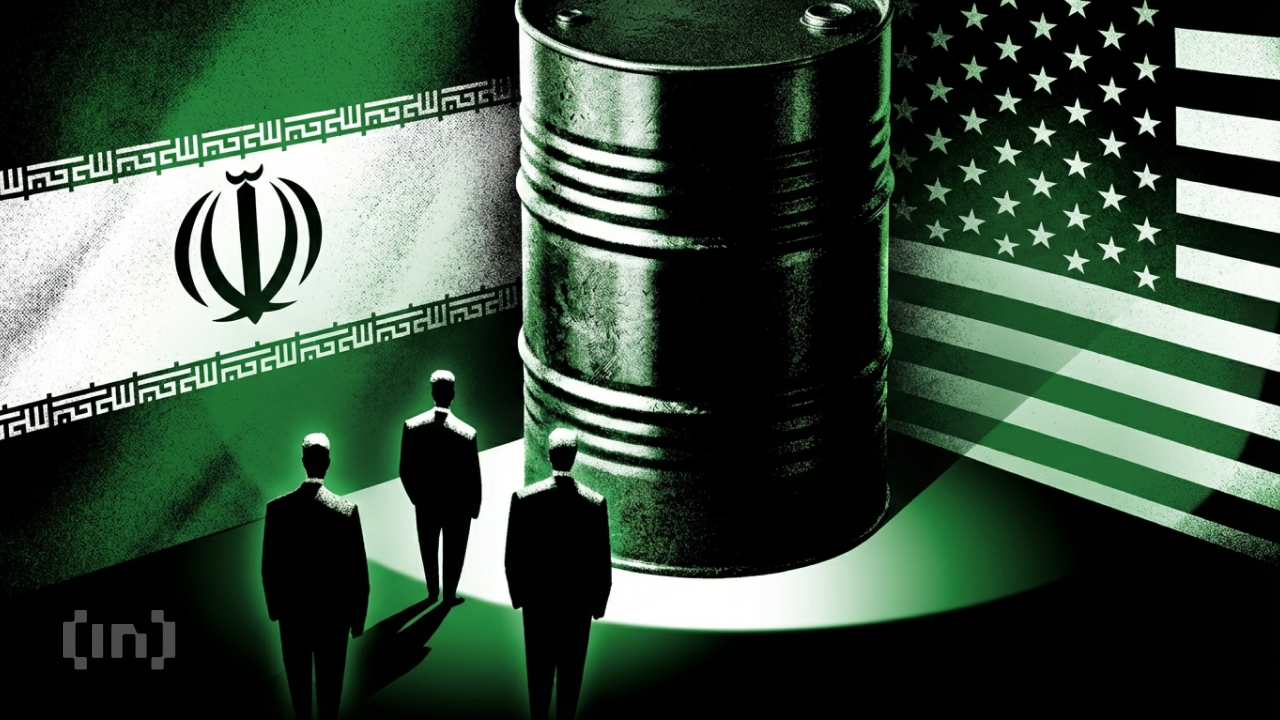
The head of Mitsui OSK Lines, the world's largest tanker operator by number of vessels, made a statement that makes one think about the real cost of geopolitical stability. Even after the signing of a potential agreement between the US and Iran, shipowners will not rush back to the Strait of Hormuz. The process of normalizing traffic could take several weeks.
Jotaro Tamura directly pointed to the problem of trust. In recent months, operators have been burned by a series of breakdowns and empty promises. Now, according to him, returning to the route requires not just paperwork, but real, tangible security guarantees on the water. Until then, even a document signed in Geneva will remain a mere formality.
Reality is slower than diplomacy
Before the conflict, more than a fifth of the world's oil and LNG volumes passed through Hormuz. Since late February, traffic there has collapsed. MOL, whose fleet numbers over 900 vessels, has already withdrawn four tankers from the Persian Gulf without paying Iran's fees. At least seven more of the company's ships are stuck awaiting passage clearance.
The first glimmer is the Indian gas carrier Disha, carrying 62,370 tons of gas on board, which became the first Indian-flagged vessel to transit the strait after the deal was announced. According to officials, a total of ten Indian and five foreign ships have followed its example. But this is just a drop in the ocean compared to the previous flow.
What this means for bitcoin
Here's where it gets interesting for us. Restoring safe navigation in Hormuz is a direct blow to inflation expectations. Stable energy supplies lower the overall level of geopolitical premium in commodity prices. In such an environment, traditional markets shift into risk-on mode, attracting capital from safe-haven assets.
Bitcoin, which amid escalation is often perceived as a hedge against global instability, may temporarily lose some liquidity inflow in this scenario. Investors will start shifting from "digital gold" back into stocks and commodities. However, I believe this is just a short-term correction. BTC's fundamental drivers—the halving and institutional demand—haven't gone anywhere. Once the dust settles, the market will remember why it turned to cryptocurrency in the first place.