The Strait of Hormuz: Return of tankers will take weeks — what this means for Bitcoin
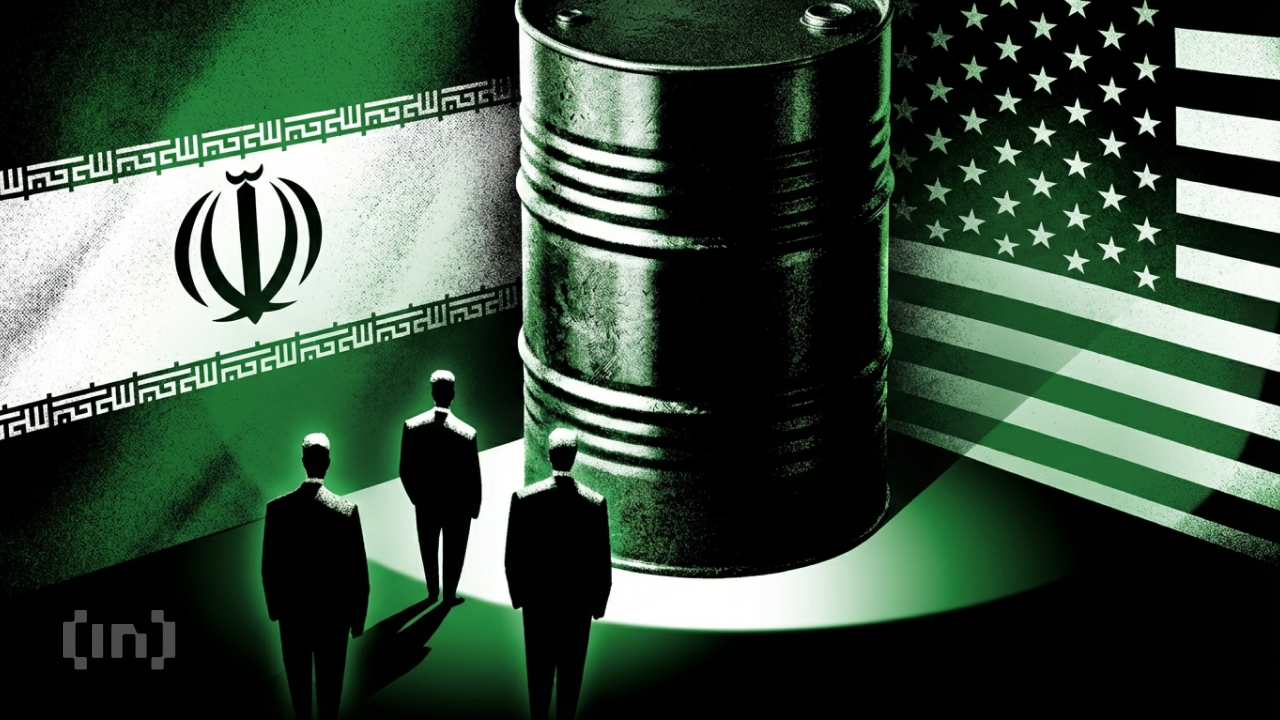
The head of the world's largest tanker operator, Mitsui OSK Lines (MOL), Juntao Tamura, gave a realistic assessment of the timeline for restoring shipping through the Strait of Hormuz. According to him, even after a formal agreement is signed between the US and Iran, shipowners will not return to the route instantly. The process will take from several weeks to a month.
Tamura emphasized that the announced agreement must be not just a declaration, but backed by real actions. Only when specific conditions are met on the ground—in the strait's waters—will shipping companies feel safe again. The experience of recent months, when ceasefires were repeatedly broken, has taught operators caution and skepticism.
Before the conflict began in late February, more than a fifth of the world's oil and liquefied natural gas volumes passed through the Strait of Hormuz. Since then, daily traffic has sharply declined. At MOL, which has a fleet of over 900 vessels, four tankers have already been withdrawn from the Persian Gulf without paying Iranian fees. At least seven more of the company's ships are awaiting permission to pass.
The first signs of a détente are already visible. The Indian gas carrier Disha became the first vessel under the Indian flag to cross the strait after the deal was announced. It carried 62,370 tons of gas. In total, according to officials, ten vessels under the Indian flag and five foreign ones have crossed the strait.
The signing of the agreement itself is expected on Friday in Geneva. However, the speed of restoring full traffic will directly depend on the level of trust shipowners have in the new "safety corridor."
What this means for Bitcoin
The resumption of safe shipping through the Strait of Hormuz is a direct signal of a reduction in global logistics risks and stabilization of energy supplies. Under such conditions, inflation expectations begin to fall, and traditional markets shift into growth mode, reducing demand for protective alternative assets, including Bitcoin.
My analysis: In the short term, de-escalation in the Strait of Hormuz could temporarily slow the growth of the cryptocurrency market due to capital outflows into stocks and commodities. However, for Bitcoin as a long-term asset, this is rather a positive backdrop: a reduction in the geopolitical premium strengthens confidence in the global financial system, of which it is becoming a part.