The Strait of Hormuz: the return of tankers will take weeks, and here is how it will impact bitcoin
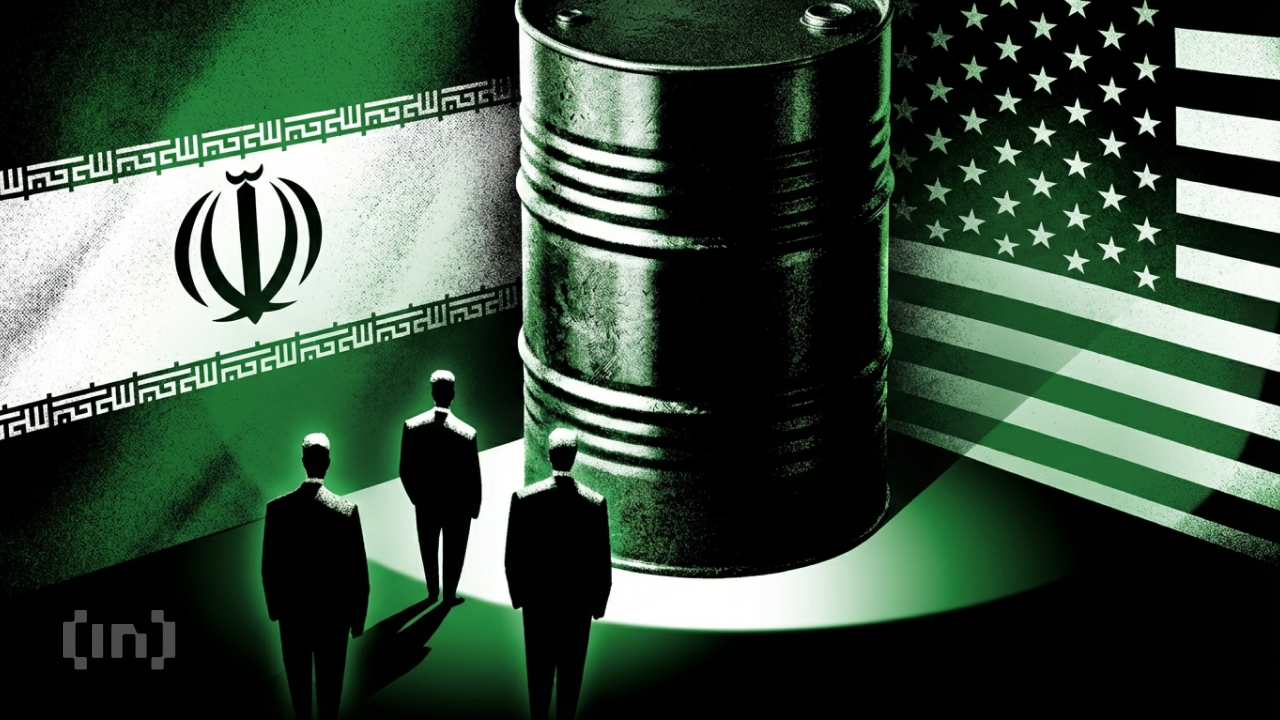
Global logistics is on the verge of major changes, and this will directly impact the crypto market. The CEO of Mitsui OSK Lines (MOL) — the world's largest tanker operator by number of vessels — made a statement that forces a reassessment of current macroeconomic scenarios. According to him, even after a formal agreement between the US and Iran is signed, shipowners will not return to the Strait of Hormuz immediately. The process of restoring traffic will take from several weeks to a full month.
A Real Deal is the Only Trigger
Jotaro Tamura, head of MOL, emphasizes that a signed document alone is not enough. Shipowners, burned by a series of failures in recent months, demand real, tangible security guarantees in the strait. Only after the terms of the agreement begin to be implemented in practice will companies feel safe and decide to return their vessels to the route. MOL, which owns more than 900 ships, has already withdrawn four tankers from the Persian Gulf without paying fees to Iran, and at least seven more of its vessels are awaiting permission to pass.
The first signs have already appeared: the Indian gas carrier Disha became the first vessel under the Indian flag to pass through the strait after the agreement, carrying 62,370 tons of gas. In total, according to official data, ten Indian and five foreign ships have crossed the strait. However, a mass exodus of tankers is a matter of trust, which is slow to rebuild.
What This Means for Bitcoin
The resumption of safe navigation in the Strait of Hormuz is a powerful disinflationary signal. Stabilizing energy supplies directly reduces global logistics risks and inflation expectations. In such an environment, traditional markets (stocks, commodities) shift into growth mode, attracting capital. For Bitcoin, which has acted as a hedge against geopolitical uncertainty in recent months, this means a temporary outflow of liquidity. Investors are moving funds from safe-haven assets to riskier ones, and BTC may face correctional pressure as markets digest the new reality.
My analysis: The "buy the rumor, sell the fact" scenario is more relevant here than ever. If the deal is indeed implemented, we will see a short-term pullback in Bitcoin amid an improving macro climate. However, it's worth remembering that structural demand for BTC from institutions has not disappeared — this is merely a temporary correction within a long-term bullish trend.