The Hormuz crisis is subsiding: when tankers will return and how it will impact Bitcoin
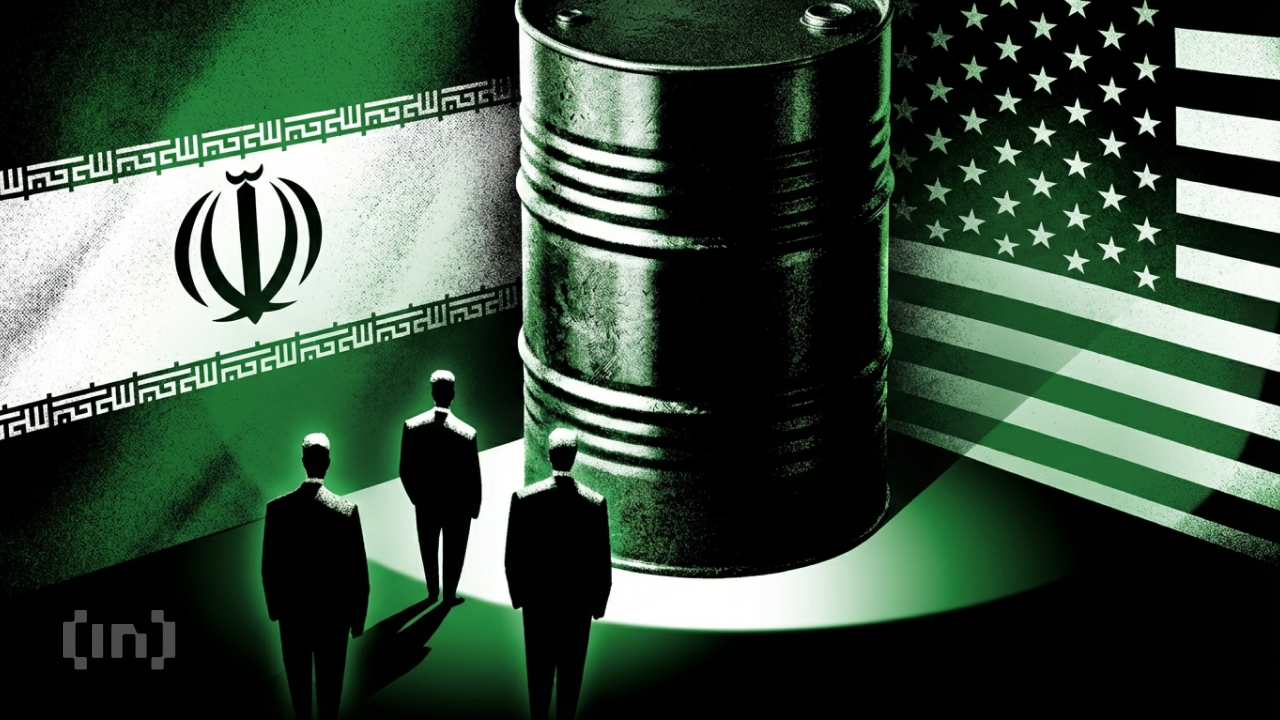
The easing of geopolitical tensions in the Strait of Hormuz does not mean an immediate return to normal shipping volumes. Even after a potential agreement between the US and Iran is signed, the process of restoring transit, according to estimates from the world's largest operators, will take from several weeks to a month. This is a key signal for global markets, directly impacting the macroeconomic backdrop and, consequently, Bitcoin's dynamics.
Juntao Tamura, head of Mitsui OSK Lines (MOL), a Japanese giant with a fleet of over 900 vessels, gave an extremely clear assessment of the situation. He emphasized that shipowners no longer trust loud statements—they need real, tangible security guarantees. The experience of recent months, when deals fell through one after another, has taught operators caution. Therefore, even after a ceasefire is announced, the return of tankers to the route will be gradual. MOL has already withdrawn four of its vessels from the Persian Gulf without paying Iranian fees, and at least seven more of the company's tankers are awaiting permission to pass.
The first signs have already appeared. The Indian gas carrier Disha, carrying 62,370 tons of gas, became the first vessel under the Indian flag to transit the strait after the deal was announced. In total, according to official data, ten Indian and five foreign vessels have crossed the strait. However, this is just a drop in the ocean compared to pre-crisis traffic, when more than a fifth of the world's oil and liquefied natural gas volumes passed through the strait.
What This Means for Bitcoin
From my perspective, the key takeaway here is a reduction in global logistical risks and stabilization of energy supplies. This directly leads to a decline in inflation expectations. When traditional markets shift into "risk-on" mode, investors begin to withdraw capital from safe-haven assets, which in recent months have increasingly included Bitcoin. Stabilization in the Strait of Hormuz could trigger a temporary outflow of funds from cryptocurrencies in favor of stocks and commodities.
My analysis: Don't expect an immediate Bitcoin crash. However, if the process of unblocking the strait is successful and swift, we will see a correction in the digital asset market. Capital that sought refuge from the geopolitical storm will begin to flow into more traditional and predictable instruments. Investors should be prepared for increased volatility in the coming weeks as the market assesses the real consequences of this easing.