The Strait of Hormuz: Return of tankers will take weeks — what this means for Bitcoin
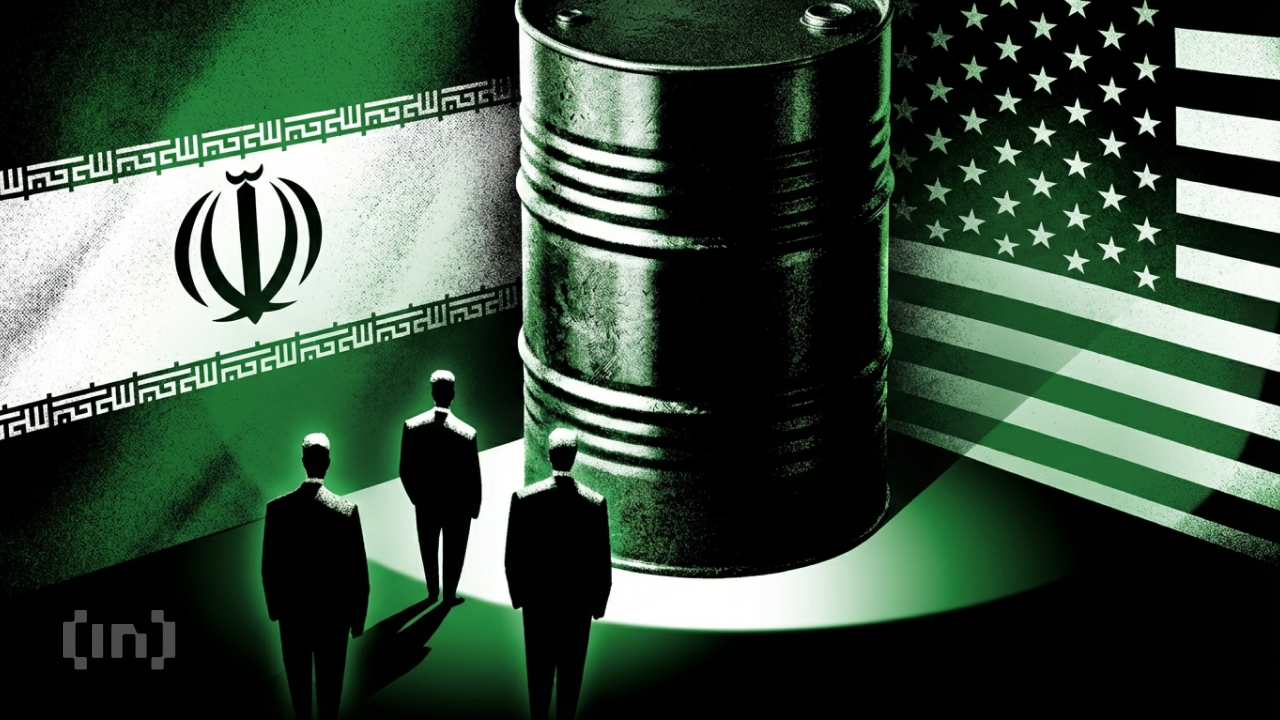
Global energy logistics is on the verge of an important, but not instantaneous, shift. The head of the world's largest tanker operator, Mitsui OSK Lines (MOL), Junta Tamura, made a statement that sobered markets: even after the signing of the agreement between the US and Iran, shipowners will not rush to return their vessels to the Strait of Hormuz. The process of restoring traffic will take from several weeks to a whole month.
Tamura emphasizes that a political document alone is not enough. Shipowners, burned by a series of disruptions in recent months, will assess the actual security conditions on the ground. Until these conditions are confirmed in practice, confidence in the route will remain low. At MOL, whose fleet numbers more than 900 vessels, at least seven ships are still awaiting permission to pass. The company has already withdrawn four vessels from the Persian Gulf without paying fees to Iran.
Nevertheless, the first signs have already appeared. The Indian gas carrier Disha became the first vessel under the Indian flag to pass through the strait after the deal was announced, carrying 62,370 tons of gas. In total, according to official data, ten vessels under the Indian flag and five foreign ones have crossed the strait. The signing of the agreement itself is expected on Friday in Geneva.
Why this is a key moment for Bitcoin
The restoration of safe navigation in the Strait of Hormuz is not just news for oil traders. It is a direct signal for the macroeconomic picture that dictates sentiment across all risk assets, including Bitcoin.
Uninterrupted energy supplies reduce global logistics risks and, consequently, inflation expectations. In such an environment, traditional markets typically shift into growth mode, flowing from "safe-haven" assets into stocks and commodities. For Bitcoin, which in recent months has increasingly been perceived as a hedge against macroeconomic instability, this means a temporary capital outflow. Stabilization in the Persian Gulf could create downward pressure on the cryptocurrency in the short term, as investors reallocate to more traditional growth instruments.
Expert opinion: The market may be too optimistic about the speed of de-escalation. Until shipowner confidence is restored by actual transit safety, the geopolitical risk premium in oil and, consequently, in inflation expectations will persist. For Bitcoin, this means that the "bearish" scenario of capital outflow may not be as deep as feared, but rather stretched out over time.