The Strait of Hormuz: Return of tankers will take weeks — what this means for Bitcoin
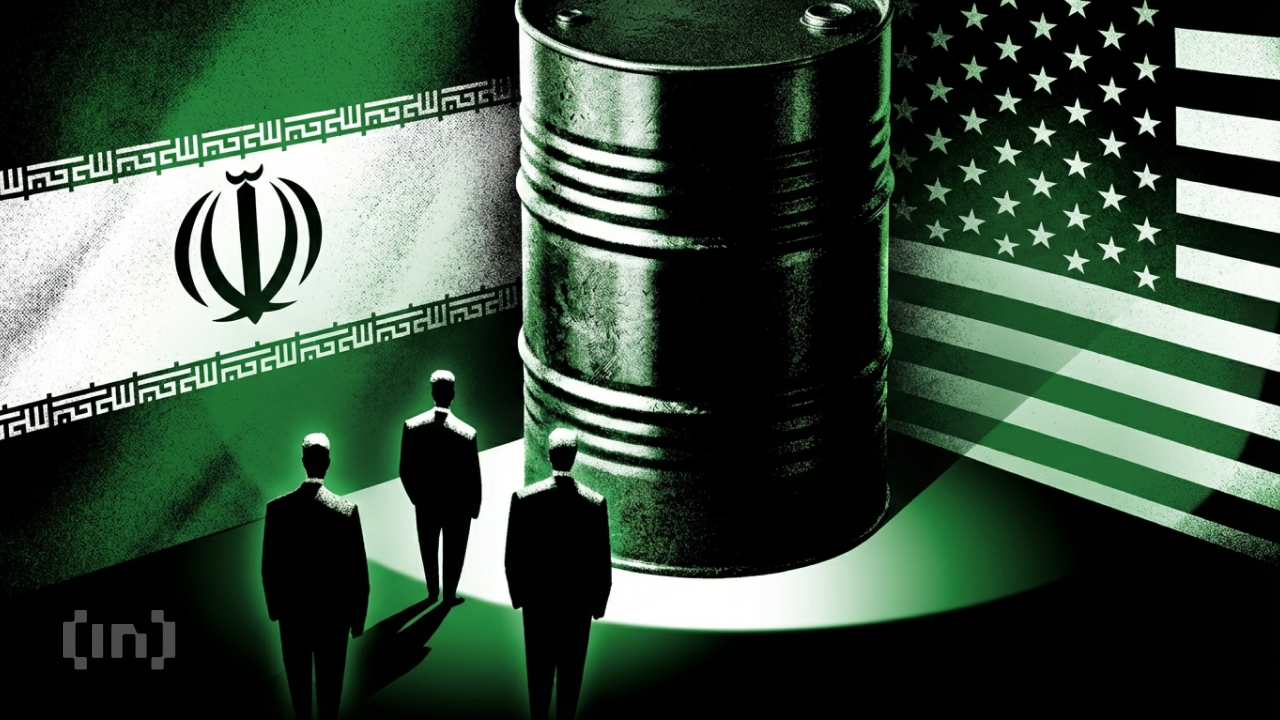
Global logistics is on the verge of a major shift, but the return to normal traffic through the Strait of Hormuz will be far from instantaneous. The CEO of Mitsui OSK Lines (MOL), the world's largest tanker operator by number of vessels, has sent a clear signal to the market: shipowners will not rush back to this route immediately after the signing of an agreement between the US and Iran. The process of restoring trust, and consequently traffic, will take from several weeks to a whole month.
Reality, not paper: why trust recovers slowly
MOL CEO Junro Tamura emphasized that an announcement of a deal alone is not enough. In recent months, tanker operators have experienced a series of disruptions and have learned extreme caution. For shipowners to feel safe again, it is not just the signing of documents in Geneva that is needed, but a real, factually confirmed implementation of the terms on the ground. As Tamura noted, "given the experience of recent months, it is reasonable to assume that the return of vessels will take at least a few weeks, if not a month."
Before the conflict began in late February, more than a fifth of the world's oil and liquefied natural gas volumes passed through the strait. Since then, daily traffic has dropped sharply. At MOL, which operates more than 900 vessels, at least seven tankers are still awaiting permission to pass. The company has already removed four vessels from the Persian Gulf without paying fees to Iran.
The first signs of a return are already visible: the Indian gas carrier Disha became the first vessel under the Indian flag to pass through the strait after the agreement, carrying 62,370 tons of gas. In total, ten vessels under the Indian flag and five foreign ones have crossed the strait. However, the speed of full recovery will depend solely on how much vessel owners trust the new "safety corridor."
Macroeconomic effect and the crypto market
For Bitcoin and the entire cryptocurrency market, the stabilization of the situation in the Strait of Hormuz carries a dual signal. On one hand, the resumption of safe navigation reduces global logistics risks and stabilizes energy supplies. This leads to lower inflation expectations, which is traditionally positive for stock and commodity markets.
On the other hand, an improvement in the macroeconomic backdrop and investors shifting to a "risk-on" mode reduces demand for safe-haven assets, which in recent months have increasingly included Bitcoin. In conditions where capital begins to flow into stocks and commodities, cryptocurrencies may temporarily lose some of their growth momentum. My expert assessment: although Bitcoin's long-term trend remains bullish, a short-term correction amid capital outflows from the "safe haven" into risk assets is a quite expected scenario. Investors should be prepared for increased volatility in the coming weeks.