The Strait of Hormuz: Return of tankers will take weeks — what this means for Bitcoin
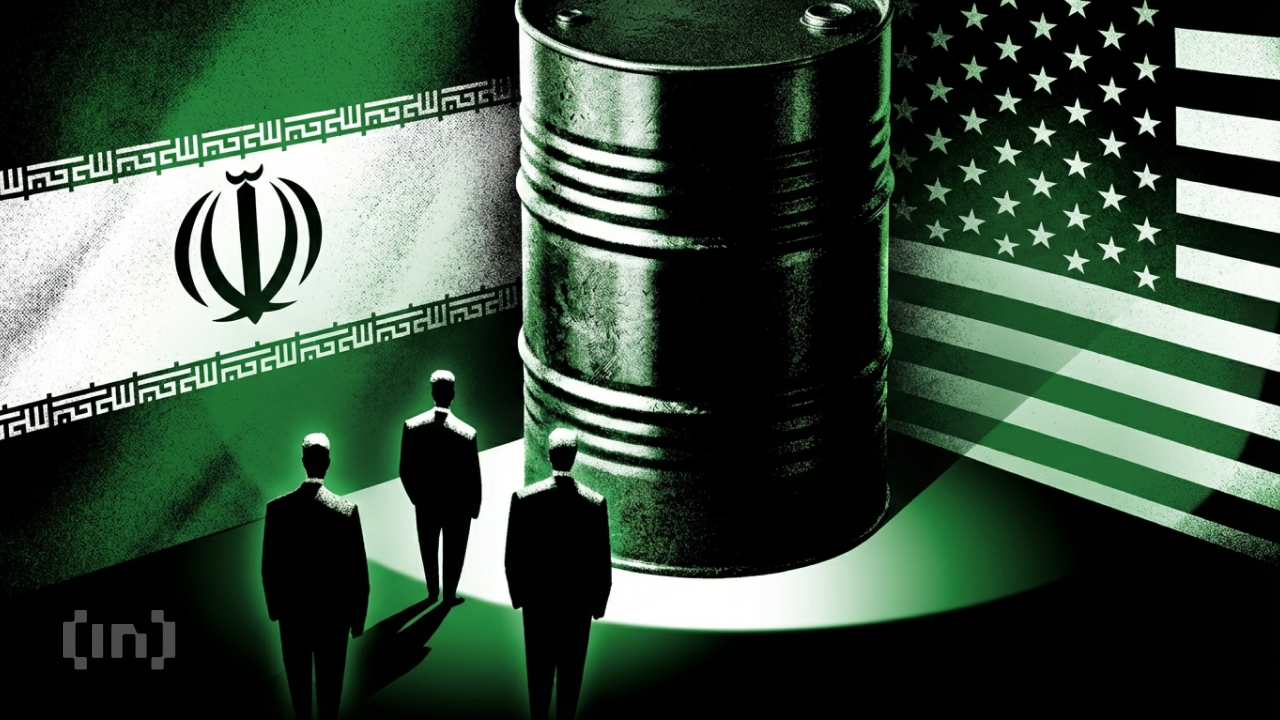
Global logistics faces a new challenge: even with a peace agreement signed between the US and Iran, the return of tankers to the Strait of Hormuz will not be immediate. The CEO of Mitsui OSK Lines (MOL), the world's largest tanker operator by number of vessels, stated that the normalization process for shipping could take from several weeks to a full month. This factor has a direct impact not only on the energy market but also on Bitcoin's dynamics.
Reality, Not Declarations
MOL CEO Jotaro Tamura emphasized that shipowners will not return to routes through the strait immediately after the agreement is signed. Over the past few months, operators have learned caution: a series of deal failures since the conflict began in late February forced them to reconsider their approach. "Given the experience of the last couple of months, it is reasonable to assume that the return of vessels will take at least a few weeks, if not a month," Tamura noted. For him, the key condition is not just a document, but real, fact-backed guarantees of security in the region.
MOL, which owns over 900 vessels, has already withdrawn four tankers from the Persian Gulf without paying fees to Iran. At least seven more of the company's vessels are awaiting permission to pass. Significantly, the first vessel to traverse the strait after the ceasefire announcement was the Indian gas carrier Disha, carrying 62,370 tons of gas on board. In total, according to officials, ten vessels under the Indian flag and five foreign ones have crossed the strait. However, this is just a drop in the ocean compared to pre-crisis volumes, when more than a fifth of global oil and liquefied natural gas supplies passed through the strait.
Implications for Bitcoin
The resumption of safe navigation in the Strait of Hormuz is a powerful disinflationary signal for the global economy. Reduced logistical risks and stabilization of energy supplies lead to a decline in inflation expectations. Under such conditions, traditional markets, such as stocks and commodities, shift into growth mode, attracting investor capital. Bitcoin, which has acted as a safe-haven asset amid geopolitical instability in recent months, may temporarily lose some demand.
As soon as investors sense a reduction in global risks, they will begin reallocating capital toward classic "risk-on" assets. This could trigger a short-term correction in the cryptocurrency market. However, it is important to understand: Bitcoin's long-term bullish trend remains unchanged. The decline is merely a temporary pause, not a reversal. Real growth will begin when the market realizes that inflation has been defeated and liquidity continues to flow into the system.
My analysis: While shipowners rebuild confidence in transiting the Strait of Hormuz, Bitcoin may consolidate in a sideways range. Investors should prepare for increased volatility in the coming weeks, but not panic—this is a classic shift in risk appetite, not a structural market reversal.