The Return of Tankers to Hormuz: A Scenario for Bitcoin and Global Liquidity
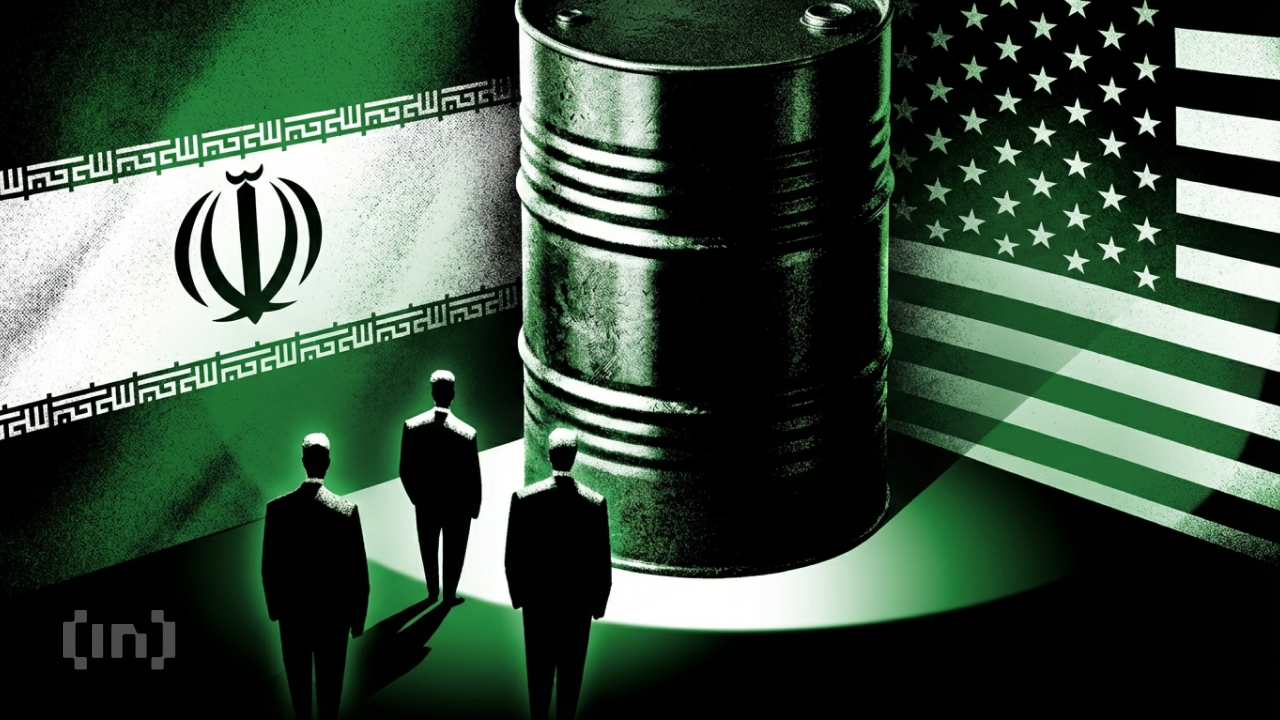
The head of Mitsui OSK Lines (MOL), the world's largest tanker operator, stated that the return of vessels to the Strait of Hormuz will take weeks, even after a formal agreement is signed between the US and Iran. This statement is not just a logistical assessment, but a powerful signal for global markets that directly impacts the macroeconomic backdrop and, consequently, Bitcoin's dynamics.
Jotaro Tamura, head of MOL, emphasizes that shipowners will not rush back to the route immediately. The experience of recent months—failed negotiations and sudden escalations—has taught them caution. According to him, even after the signing of the agreement in Geneva, expected on Friday, traffic restoration will take from a couple of weeks to a whole month. In reality, a full return to previous volumes will require not just a piece of paper, but concrete, tangible security guarantees in the water area.
Before the conflict in late February, more than a fifth of the world's oil and liquefied natural gas volumes passed through the Strait of Hormuz. Since then, traffic has sharply declined. MOL, which owns over 900 vessels, has already withdrawn four tankers from the Persian Gulf without paying Iran's fees, and at least seven more of its ships are awaiting passage clearance. The first signs are already here: the Indian gas carrier Disha, with 62,370 tons of gas on board, became the first vessel under the Indian flag to transit the strait after the deal was announced. In total, ten Indian and five foreign ships have crossed the strait.
What does this mean for Bitcoin?
The resumption of safe navigation is a direct path to reducing global logistical risks and stabilizing energy supplies. This, in turn, leads to a decline in inflation expectations. In such an environment, traditional markets (stocks, commodities) shift into growth mode, reducing investor demand for defensive alternative assets, including Bitcoin.
My market analysis: In the short term, the stabilization of the situation in Hormuz may temporarily slow the growth of the cryptocurrency market due to capital outflows favoring stocks and commodities. However, I view this as "counter-trend noise." Once the geopolitical tension factor is fully removed and inflation begins to slow more confidently, Bitcoin, as a global asset with limited supply, will once again enter a phase of structural growth. The key point is the speed of restoring shipowner confidence, not the mere fact of signing the agreement.