The Strait of Hormuz: A Real Ceasefire or a Postponement? Analysis of the Implications for Bitcoin
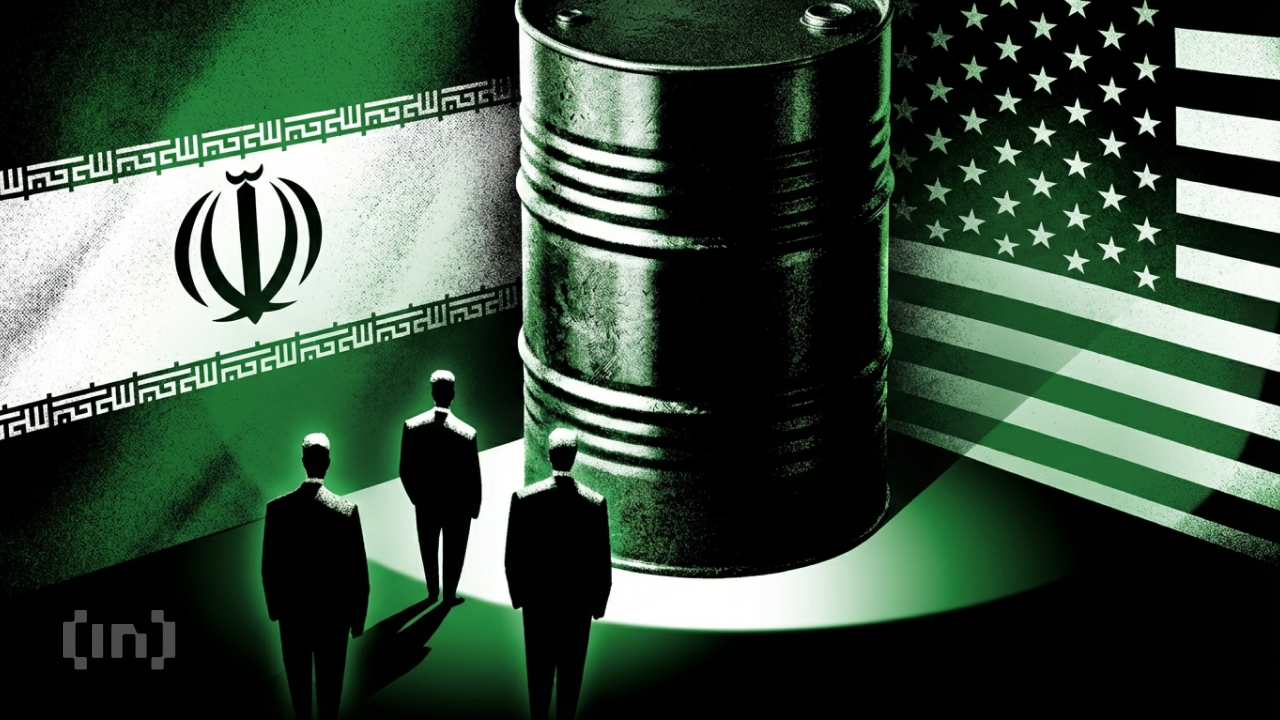
Global logistics is on the verge of an important, but by no means instantaneous, change. The management of the world's largest tanker operator, Mitsui OSK Lines (MOL), with a fleet of over 900 vessels, has sent a clear signal to the market: even after a formal agreement is signed between the US and Iran, the return of tankers to the Strait of Hormuz will take not days, but weeks, or even a whole month. This statement is not just a bureaucratic caveat, but a harsh reality dictated by the experience of the conflict in recent months.
MOL CEO Jōtarō Tamura directly pointed out that shipowners no longer trust empty promises. The series of disruptions observed since late February, when more than a fifth of the world's oil and LNG volumes passed through the strait, has been replaced by a sharp decline in traffic. Companies have learned caution. Now, according to Tamura, resuming traffic requires not just signatures in Geneva, but real, tangible security guarantees on the water. MOL has already withdrawn four of its vessels from the Persian Gulf without paying fees to Iran, and at least seven of its tankers are still awaiting permission to pass.
Early signs and operator skepticism
Nevertheless, some individual progress has already been made. The Indian gas carrier Disha, with 62,370 tons of gas on board, became the first Indian-flagged vessel to transit the strait after the deal was announced. According to officials, a total of ten Indian and five foreign vessels have crossed the strait. However, this is just a drop in the ocean compared to previous traffic. The speed of a full recovery will depend solely on how much vessel owners trust the new "corridor." The process, as Tamura rightly noted, could take from a couple of weeks to a month—and that's an optimistic scenario.
What does this mean for Bitcoin and the crypto market?
Here we come to the key point for crypto investors. The resumption of safe navigation in the Strait of Hormuz is a direct blow to global logistics risks. Stabilizing energy supplies inevitably leads to lower inflation expectations. In such conditions, traditional markets shift to a "risk-on" mode, pulling capital away from safe-haven assets, including Bitcoin, which in recent months has often been perceived precisely as a hedge against geopolitical instability.
My professional analysis: A reduction in the geopolitical premium in oil and gas prices could temporarily weaken Bitcoin's narrative as "digital gold." In the short term, we may see capital outflows from cryptocurrencies in favor of commodities and stocks. However, it should not be forgotten that BTC's fundamental drivers (halving, institutional demand) remain intact. The current pause is not a trend reversal, but rather a correction amid changing macroeconomic scenery. Investors should prepare for increased volatility in the coming weeks.