Return of Tankers to Hormuz: Timing, Risks, and Hidden Impact on Bitcoin
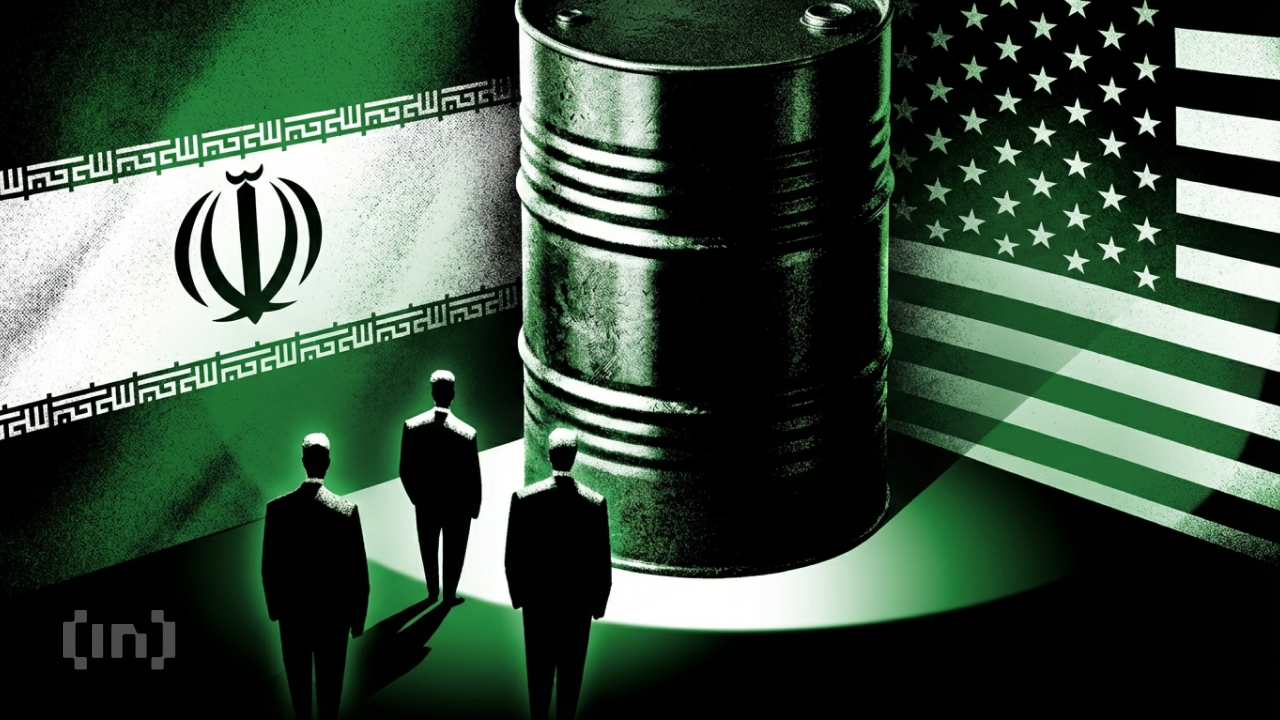
Johtaro Tamura, head of Mitsui OSK Lines, the world's largest tanker operator, made a statement that raises questions about the timeline for easing geopolitical tensions. In his assessment, even after an agreement is signed between the US and Iran, returning vessels to their usual routes through the Strait of Hormuz is not a matter of a single day. It will take weeks, and possibly an entire month.
Tamura emphasizes that mere documentary confirmation of the deal is insufficient. Shipowners need real, tangible security guarantees. Only after the conditions are practically fulfilled will companies decide to return their fleet. This skepticism is a direct consequence of the series of breakdowns and escalations observed since the conflict began in late February.
Reality Slower Than Diplomacy
Before the conflict began, more than one-fifth of the world's oil and liquefied natural gas volumes passed through the Strait of Hormuz. Traffic has now sharply declined. At MOL, whose fleet numbers over 900 vessels, four tankers have already left the Persian Gulf without paying Iran's fees. At least seven more of the company's ships are stuck awaiting permission to pass.
The first signs have already appeared. The Indian gas carrier Disha, with 62,370 tons of gas on board, became the first Indian-flagged vessel to transit the strait after the deal was announced. According to officials, a total of ten Indian and five foreign ships have crossed the strait. However, this is just a drop in the ocean compared to previous traffic volumes.
The signing of the agreement is expected in Geneva on Friday. But the speed of restoring shipping will directly depend on the level of trust owners have in the new "safety corridor." The experience of recent months has taught them caution.
What Does This Mean for Bitcoin?
Here we come to the key point. The resumption of safe shipping through Hormuz is not just a logistics story. It is a direct signal for a decline in global inflation expectations. Stabilizing energy supplies inevitably leads to a cooling of commodity prices, which in turn reduces the appeal of safe-haven assets.
In such an environment, traditional markets shift into "risk-on" mode, drawing capital away from alternative instruments. Investors begin moving from "digital gold" into stocks and commodities. For Bitcoin, this means a temporary slowdown in growth and a potential outflow of liquidity. As the geopolitical premium fades from the market, cryptocurrencies will have to find new drivers for upward movement.
Analyst's comment: The market likely underestimates the time lag between diplomatic success and actual stabilization. Until tankers fully return to the strait, it is premature to talk about a complete removal of geopolitical risk. For Bitcoin, this means the "fear" factor may persist longer than optimists expect, but its influence will gradually weaken as physical oil flows are restored.