The Strait of Hormuz: the return of tankers will take weeks, and here is how it will impact Bitcoin
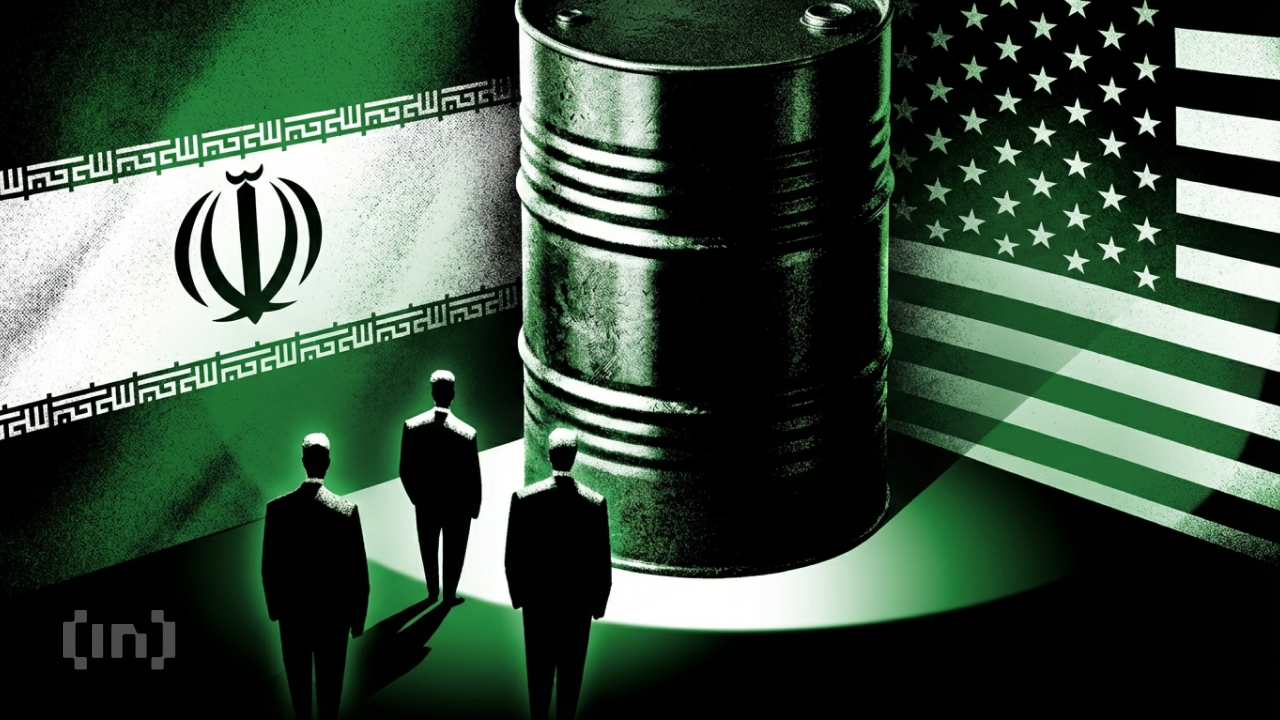
The head of the world's largest tanker operator, Mitsui OSK Lines (MOL), Junta Tamura, made a statement that is sobering markets. According to him, even after the signing of the agreement between the US and Iran, shipowners will not rush back to the Strait of Hormuz. The process of restoring normal traffic will take from several weeks to a month.
Tamura emphasized that an announcement of the deal alone is not enough. Shipowners, burned by a series of setbacks in recent months, now demand real security guarantees. Only if the agreement is backed by facts on the ground will companies feel safe again and decide to return. Accordingly, full restoration of previous traffic could take from a couple of weeks to an entire month.
Before the conflict began at the end of February, more than a fifth of the world's oil and liquefied natural gas volumes passed through the strait. Since then, daily traffic has dropped sharply. At MOL, which operates over 900 vessels, seven units are still awaiting permission to pass — the company previously withdrew four ships from the Persian Gulf without paying fees to Iran.
Meanwhile, the first signs have already appeared. The Indian gas carrier Disha became the first vessel under the Indian flag to transit the strait after the deal was announced — it carries 62,370 tons of gas. In total, according to official data, ten vessels under the Indian flag and five foreign ones have crossed the strait. The signing of the agreement itself is expected on Friday in Geneva, and the speed of traffic restoration will directly depend on how much shipowners believe in the new safe corridor.
What this means for bitcoin
Here, the classic correlation of risky assets comes into play. The resumption of safe navigation in the Strait of Hormuz directly reduces global logistics risks and stabilizes energy supplies. This leads to a decline in inflation expectations. Under such conditions, traditional markets shift into growth mode, reducing investor demand for safe-haven assets, including bitcoin. As a result, stabilization of the geopolitical situation could temporarily slow the growth of the cryptocurrency market due to capital outflows favoring stocks and commodities.
My analysis: Until tankers fully return to the strait, markets will remain in a state of limbo. For bitcoin, this means short-term pressure from macroeconomic optimism, but it should not be forgotten that any new escalation will reignite interest in "digital gold" with renewed vigor. Keep an eye on real traffic data in the strait — it will become a more accurate indicator than political statements.