The Strait of Hormuz: why tankers are in no hurry to return, and what this means for bitcoin
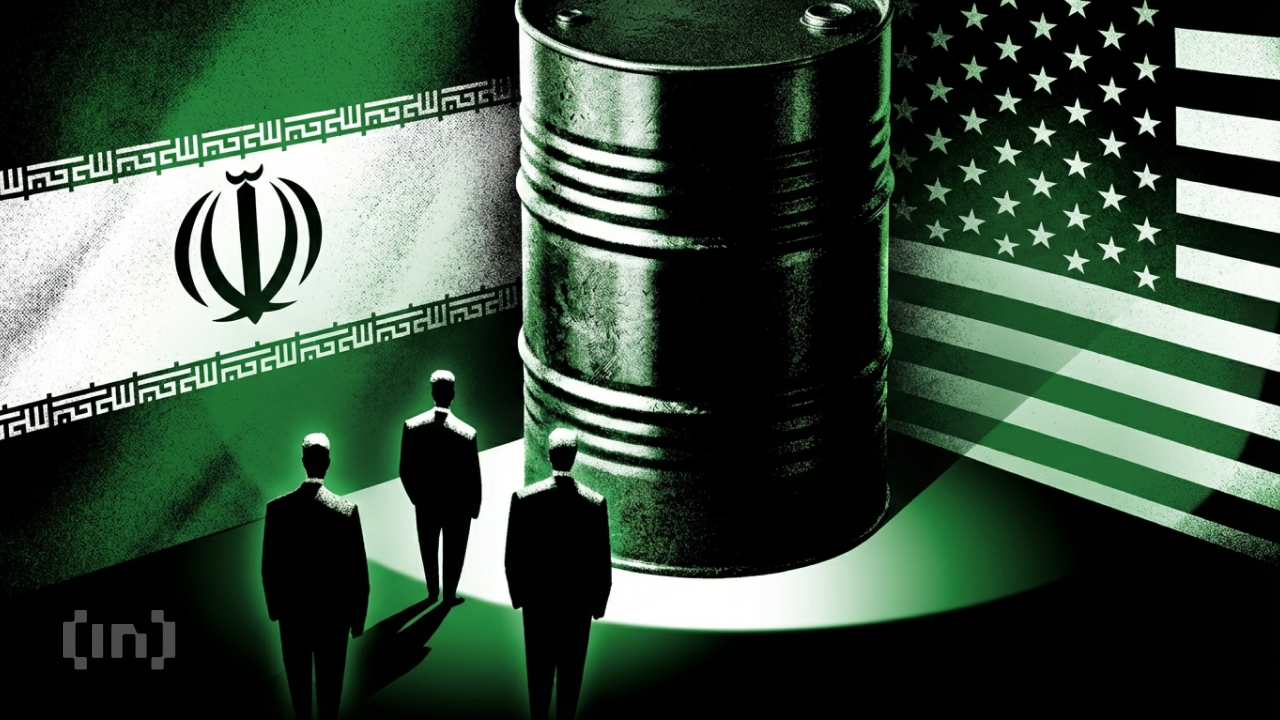
Even after the signing of a peace agreement between the US and Iran, tankers will not return to the Strait of Hormuz instantly. The head of Mitsui OSK Lines (MOL), the world's largest tanker operator by number of vessels, stated that this process will take weeks, or even months. A market accustomed to geopolitical risks is forced to recalculate scenarios — and bitcoin is no exception here.
Jotaro Tamura, CEO of MOL, emphasized that shipowners no longer trust loud statements. The recent months of conflict have taught them caution. For tankers to once again begin docking in the Persian Gulf and transiting through the strait, what is needed is not just an agreement on paper, but real, fact-backed security guarantees. According to Tamura's estimates, restoring previous traffic levels will take from a couple of weeks to a whole month — even after the official signing of documents in Geneva.
Situation on the Water: First Signs, But Not a Fleet
Before the conflict began in late February, more than a fifth of the world's oil and liquefied natural gas volumes were transported through the Strait of Hormuz. Since then, traffic has dropped sharply. MOL, which owns over 900 vessels, has already withdrawn four tankers from the zone without paying fees to Iran. At least seven more of the company's ships are awaiting permission to pass.
Nevertheless, movement is beginning to recover. The Indian gas carrier Disha became the first vessel under the Indian flag to transit the strait after the agreement, carrying 62,370 tons of gas. In total, according to official data, ten vessels under the Indian flag and five foreign ones have crossed the strait. But this is just a drop in the ocean compared to previous volumes. The speed of full recovery will depend on how much shipowners trust the new "safety corridor."
What Does This Mean for Bitcoin?
The connection between geopolitics in the Strait of Hormuz and cryptocurrencies lies through global liquidity and inflation expectations. The resumption of safe navigation reduces logistical risks and stabilizes energy supplies. This, in turn, leads to a decrease in inflationary pressure. In such an environment, traditional markets (stocks and commodities) shift into growth mode, drawing away capital from investors who previously sought safe-haven assets, including bitcoin.
My analysis: In the short term, stabilization in the Strait of Hormuz could create temporary pressure on bitcoin. Capital that flowed into "digital gold" as a hedge against chaos will begin to gradually return to traditional risk assets. However, this does not negate BTC's long-term bullish trend, which is based on institutional adoption and the Fed's monetary policy. It simply means that for a few weeks, the market may lose one of its key geopolitical growth drivers.