The Strait of Hormuz: Return of tankers will take weeks — what this means for Bitcoin
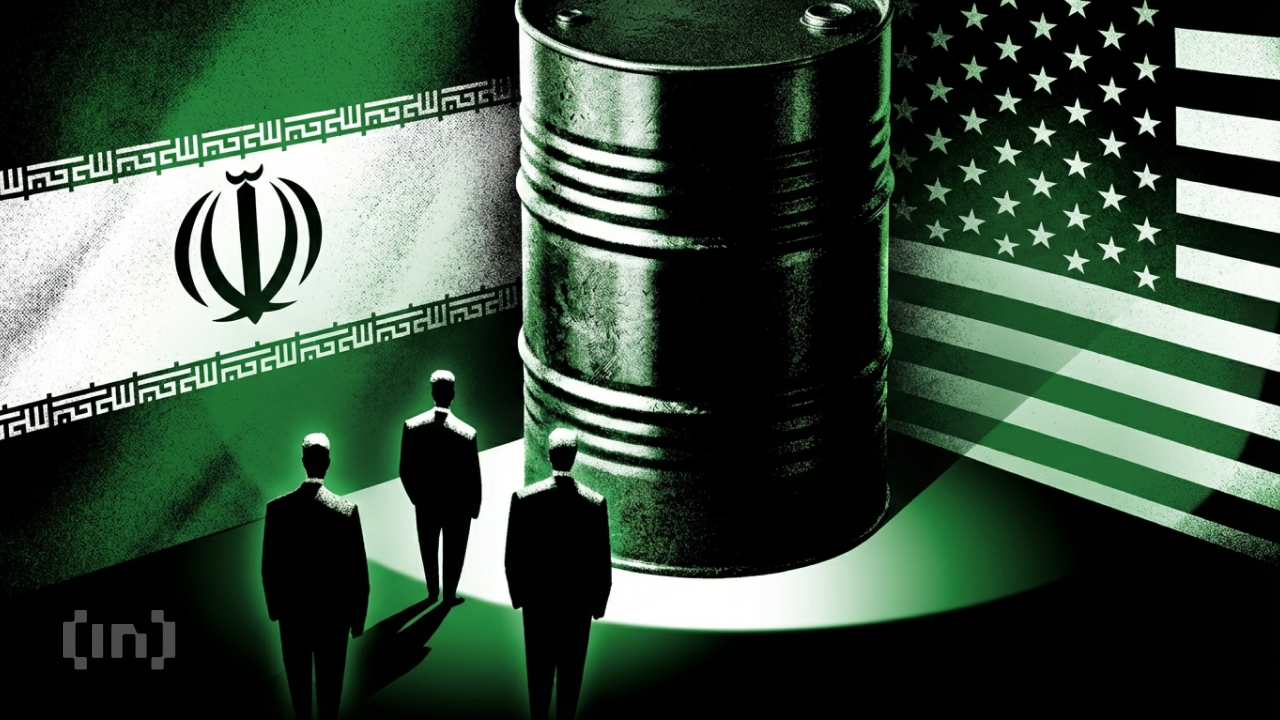
Global logistics is on the verge of a significant change, but jumping to conclusions is premature. The CEO of Mitsui OSK Lines (MOL), the world's largest tanker operator by number of vessels, made it clear: even after the signing of the agreement between the US and Iran, the return of tankers to the Strait of Hormuz will take from several weeks to a month. This statement is not just a statement of fact, but a signal of deep distrust of geopolitical agreements.
Jotaro Tamura emphasized that the announced agreement must be backed by real actions on the water. Shipowners, burned by a series of failures in recent months, will not take risks without 100% safety guarantees. MOL, which operates a fleet of more than 900 vessels, has already withdrawn four tankers from the Persian Gulf without paying Iranian fees. At least seven more of the company's vessels are awaiting clearance to pass.
Early signs: Indian gas carrier Disha
Nevertheless, movement has already begun. The Indian gas carrier Disha, carrying 62,370 tons of gas, became the first vessel under the Indian flag to transit the strait after the deal was announced. In total, according to officials, ten vessels under the Indian flag and five foreign ones have crossed the route. However, there is no mass exodus yet. The speed of traffic recovery will directly depend on how much vessel owners trust the new corridor.
Macroeconomic effect and Bitcoin
The resumption of safe navigation through the Strait of Hormuz is not just news for oil traders. It is a powerful disinflationary factor. Reducing global logistics risks and stabilizing energy supplies leads to a decline in inflation expectations. In such an environment, traditional markets shift into growth mode, reducing investor demand for defensive alternative assets, including Bitcoin.
As a result, stabilization in the Strait of Hormuz could temporarily slow the growth of the cryptocurrency market. Capital will begin to flow into stocks and commodities, which benefit from a reduction in the geopolitical risk premium. For Bitcoin, which is still perceived by many as a hedge against global instability, this means a weakening of one of the key demand drivers.
My analysis: In the short term, de-escalation in the Strait of Hormuz is a bearish signal for BTC. However, it is worth remembering that fundamental factors, such as institutional adoption and the halving, have not disappeared. The reduction in geopolitical risks is more of a correction within a long-term bullish trend, rather than its reversal.