Tankers are in no hurry to Hormuz: weeks of waiting and consequences for Bitcoin
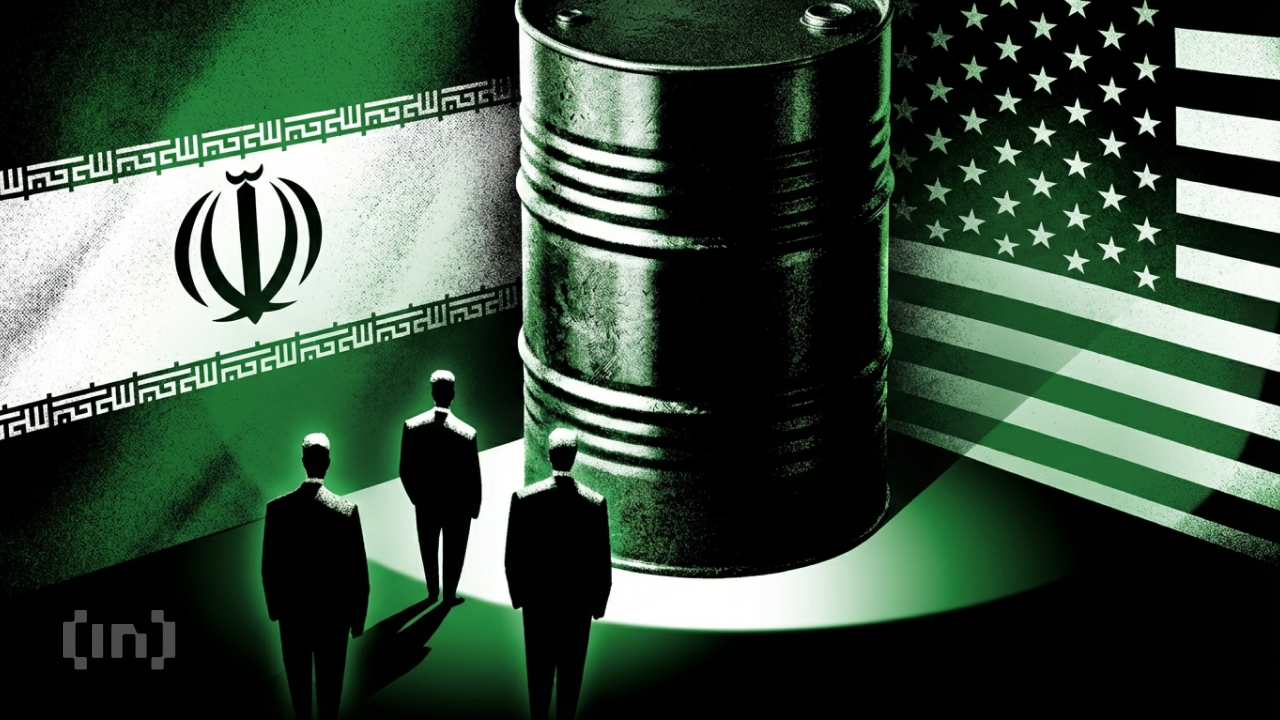
The CEO of Mitsui OSK Lines (MOL), the world's largest tanker operator, stated that even after the signing of the agreement between the US and Iran, shipowners will not return to the Strait of Hormuz instantly. The process of restoring traffic will take from several weeks to a month.
MOL head Jotaro Tamura emphasized that the announced agreement must be real and backed by facts. Only under this condition will shipping companies feel fully safe again. Accordingly, restoring previous traffic could take from a couple of weeks to a whole month.
Before the conflict began in late February, more than a fifth of the world's oil and liquefied natural gas volumes were transported through the strait. Since then, daily traffic has dropped sharply.
Tamura pointed to a series of setbacks since the start of the war. Over recent months, operators have learned caution and are not rushing to conclusions.
"Given the experience of the last couple of months, I think it's reasonable to assume that the return of ships will take at least a few weeks, if not a month," he noted.
The company's head stressed that the signed agreement between the countries is not enough. Real conditions and their implementation in practice in the Strait of Hormuz are important. Only when these conditions are met will shipowners decide to return to the route.
MOL has over 900 ships. Before the deal was concluded, the company withdrew four vessels from the Persian Gulf without paying fees to Iran. At least seven MOL ships are still awaiting passage clearance.
Meanwhile, some cargo has already begun moving. The Indian gas carrier Disha became the first vessel under the Indian flag to pass through the strait after the agreement. It carried 62,370 tons of gas. Officials reported that a total of ten Indian-flagged vessels and five foreign ones have crossed the strait.
The signing of the agreement is expected on Friday in Geneva. The speed of traffic restoration along the route will depend on how much shipowners trust the new corridor.
What this means for Bitcoin
The resumption of safe navigation reduces global logistics risks and stabilizes energy supplies, leading to a decline in inflation expectations. In such conditions, traditional markets shift to a growth mode, reducing investor demand for safe-haven alternative assets, including Bitcoin. As a result, stabilization of the situation in the Strait of Hormuz may temporarily slow the growth of the cryptocurrency market due to capital outflow in favor of stocks and commodities.
My analysis: Although the direct correlation between Middle East geopolitics and Bitcoin's price is not always obvious, the current scenario of reduced global uncertainty does create a less favorable environment for "safe-haven" BTC purchases. However, this is a temporary factor — the long-term trend of the crypto market is still determined by the Fed's monetary policy and institutional adoption.