The Hormuz Crisis: Why tankers are in no hurry to return and what this means for Bitcoin
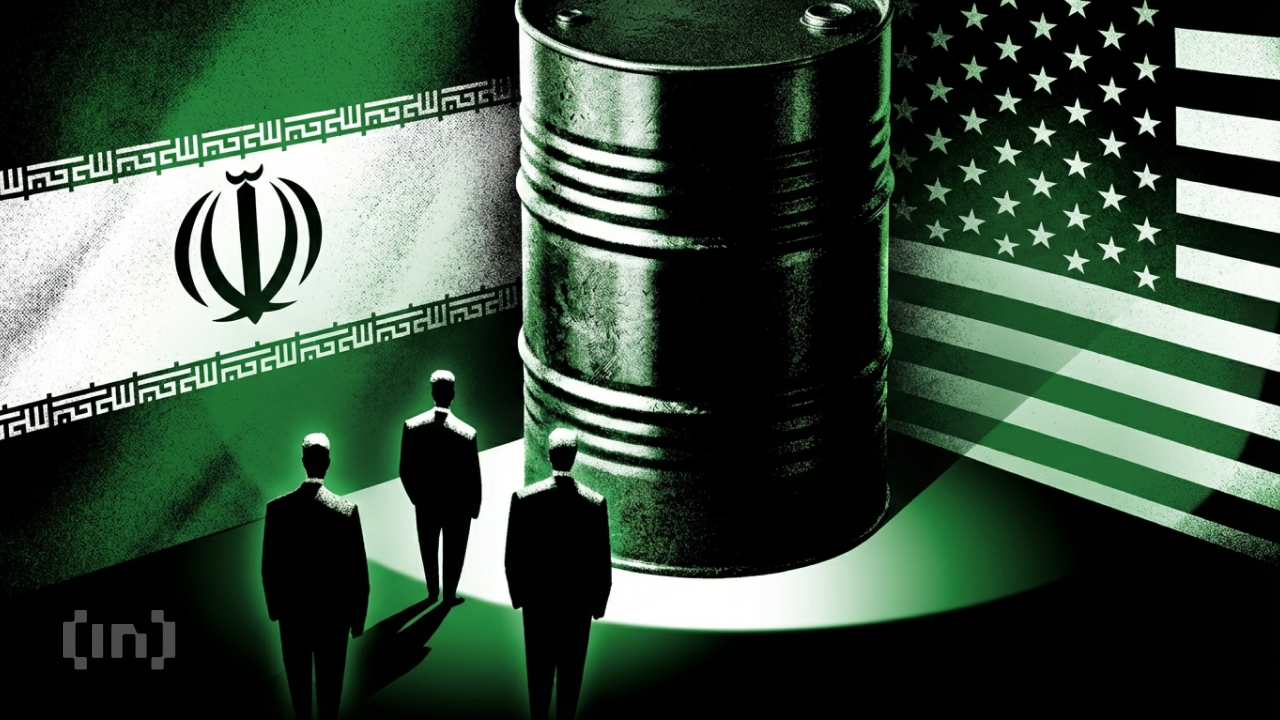
Global logistics chains are on the verge of a major turning point, but the return to normal traffic through the Strait of Hormuz will take not days, but weeks. And this is a key signal for all markets—from oil to cryptocurrencies.
The CEO of Mitsui OSK Lines (MOL), the world's largest tanker operator by number of vessels, made a statement that sobering optimists. According to him, even after the signing of an agreement between the US and Iran, shipowners will not immediately rush to return to routes through the strait. The entire process of restoring traffic could take from a couple of weeks to a whole month.
Jōtarō Tamura specifically emphasized that the announced agreement alone is not enough. Shipping companies will only return if the agreements are actually implemented on the ground. Given the series of setbacks since the start of the conflict, operators have learned caution and are not rushing to conclusions.
MOL has over 900 vessels. Before the deal, the company withdrew four vessels from the Persian Gulf without paying fees to Iran. At least seven MOL vessels are still awaiting permission to pass.
Meanwhile, some cargo has already begun moving. The Indian gas carrier Disha became the first vessel under the Indian flag to pass through the strait after the agreement. It carried 62,370 tons of gas. Officials reported that a total of ten vessels under the Indian flag and five foreign vessels have crossed the strait.
The signing of the agreement is expected on Friday in Geneva. The speed of traffic restoration will depend on how much shipowners trust the new corridor.
What this means for Bitcoin
The resumption of safe navigation reduces global logistics risks and stabilizes energy supplies. This leads to a decline in inflation expectations. Under such conditions, traditional markets shift into growth mode, reducing investor demand for safe-haven alternative assets, including Bitcoin.
As a result, the stabilization of the situation in the Strait of Hormuz may temporarily slow the growth of the cryptocurrency market due to capital outflows in favor of stocks and commodities.
My expert opinion: Until tankers return in full, the market will remain in a state of uncertainty. For Bitcoin, this means a temporary loss of its "safe-haven" status and a flow of liquidity into traditional assets. However, once logistics are restored and inflation risks come to the forefront again, cryptocurrencies may once again attract capital as a hedge against the devaluation of fiat money.