Geopolitical détente in the Strait of Hormuz: why tankers won't return instantly and how it will affect bitcoin
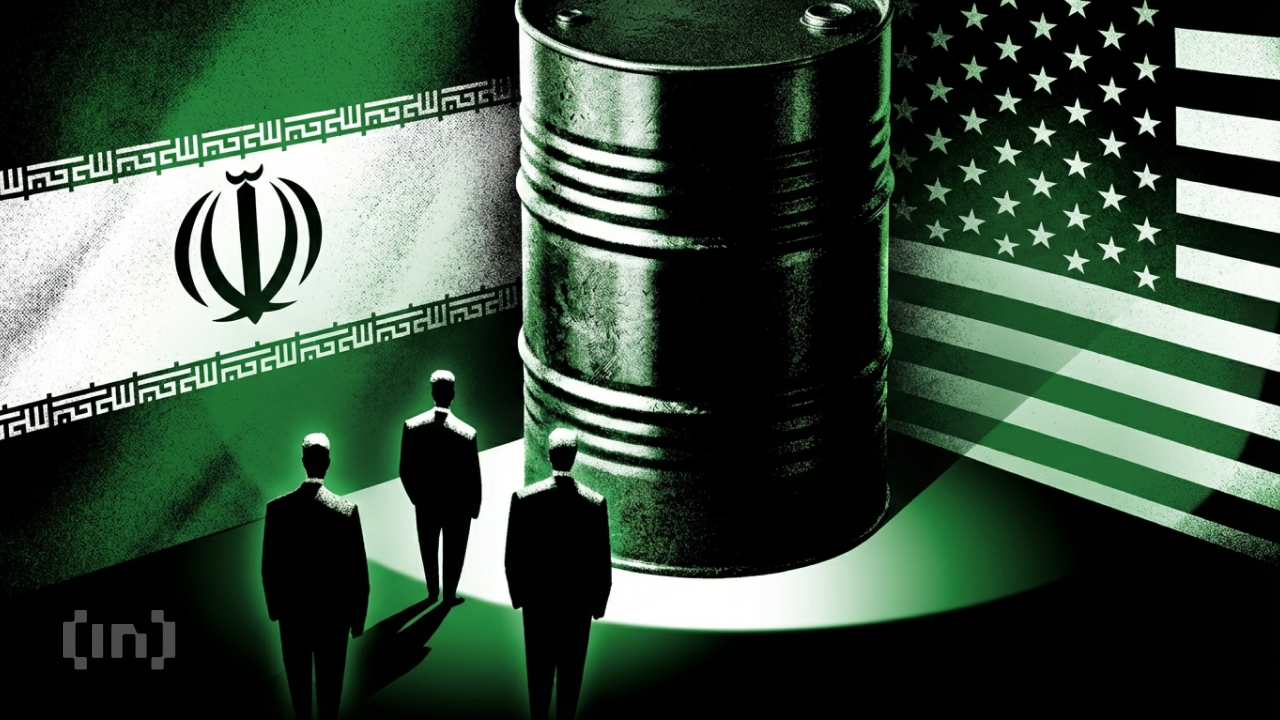
The CEO of Mitsui OSK Lines (MOL), the world's largest tanker operator by number of vessels, made a statement that has a sobering effect on markets. According to his estimates, even after the signing of an agreement between the US and Iran, the return of tankers to full transit through the Strait of Hormuz will take not days, but weeks. This time lag is a critical factor for the global economy and, consequently, for the digital asset market.
Reality vs. Declarations: Trust Must Be Earned
Jotaro Tamura, head of MOL, directly pointed out that shipowners are tired of the series of broken agreements since the conflict began in late February. Over the past months, they have developed a reflex of caution. As he noted in an interview, "given the experience of the last couple of months, it is reasonable to assume that the return of vessels will take at least a few weeks, if not a month." A signed document alone is not enough. Companies need real, tangible security guarantees in the strait, through which more than a fifth of the world's oil and LNG volumes are delivered.
Current Picture: Early Signs and Waiting Fleets
For now, MOL, which owns more than 900 vessels, is holding back. The company previously withdrew four vessels from the Persian Gulf without paying Iranian fees, and at least seven of its tankers are still awaiting permission to pass. This creates an artificial shortage of tonnage. Nevertheless, traffic has already begun to recover. The Indian gas carrier Disha, with 62,370 tons of gas on board, became the first vessel under the Indian flag to pass through the strait after the deal was announced. In total, according to official data, ten Indian and five foreign vessels have crossed the strait. However, this is just a drop in the ocean compared to normal traffic. The speed of full recovery will directly depend on how much vessel owners believe in the longevity of the new "safety corridor."
What This Means for Bitcoin: Reducing the Risk Premium
For the cryptocurrency market, the resumption of safe navigation is a two-sided signal. On one hand, the stabilization of logistics and reduced risks of energy supply disruptions lead to a decline in inflation expectations. In such an environment, traditional markets (stocks, commodities) shift into growth mode, temporarily reducing demand for protective alternative assets, including bitcoin. Capital flows into riskier but traditional instruments.
My analysis: In the short term, this could create downward pressure on BTC, as one of the key geopolitical drivers of "fear" fades. However, it is worth remembering that bitcoin's fundamental factors—halving, institutional demand—have not disappeared. Once the market digests the news of the détente and sees a real rate cut from the Fed (which becomes possible with falling inflation), we could see a new wave of growth. The current correction is more of a "buy the rumor, sell the news" event rather than a change in the long-term trend.