The Strait of Hormuz: Why tankers won't return instantly and how it affects Bitcoin
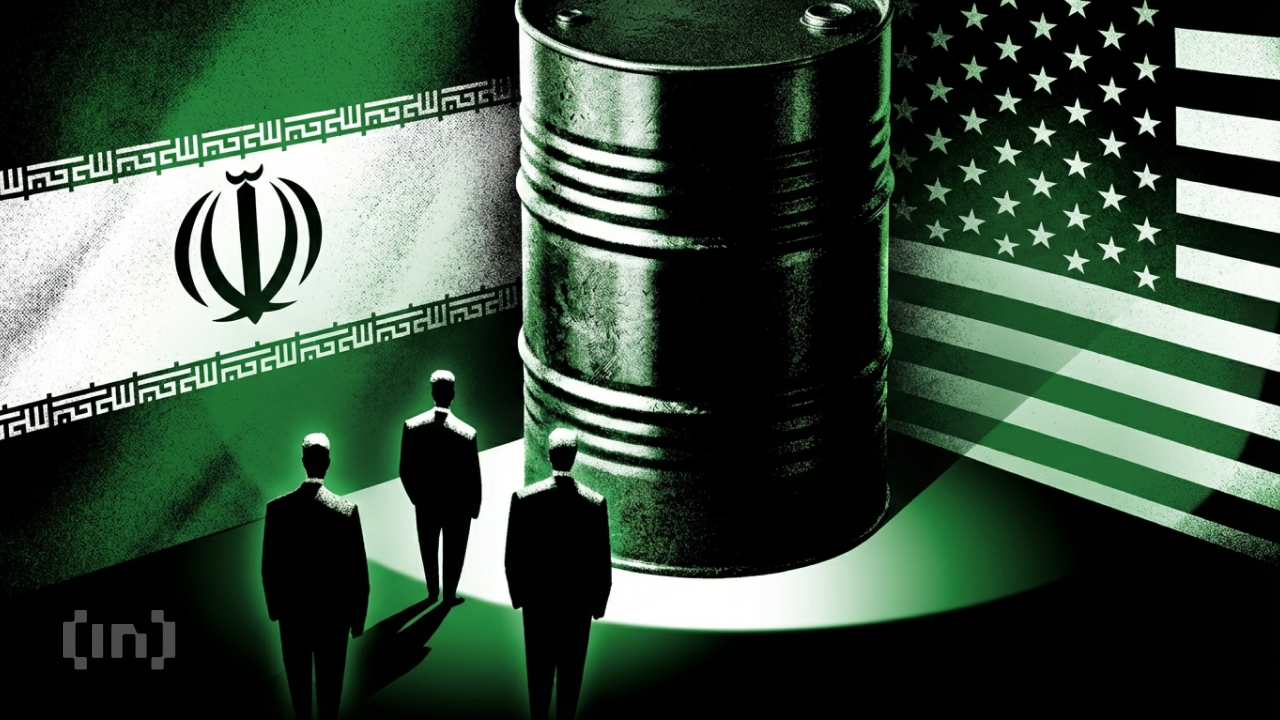
The head of Mitsui OSK Lines (MOL), the world's largest shipowner by number of tankers, made an important statement: even after the signing of the agreement between the US and Iran, the return of vessels to routes through the Strait of Hormuz will take weeks, not days. This factor has a direct impact not only on global energy markets but also on sentiment in the cryptocurrency sphere.
Reality, not declarations
Jotaro Tamura, head of MOL, emphasized that shipowners no longer trust mere political statements. Given the series of failed negotiations over recent months, they have developed a healthy skepticism. According to him, it will take from several weeks to a full month for traffic to fully recover, even after documents are signed in Geneva. The key condition is the actual implementation of the agreement's terms in practice, not just their declaration. Only then will shipping companies feel completely safe.
MOL, which operates more than 900 vessels, already has practical experience: the company withdrew four tankers from the Persian Gulf without paying fees to Iran, and at least seven more ships are awaiting permission to pass. This clearly demonstrates the level of distrust and caution in the industry.
The first trial balloon
Nevertheless, movement has already begun. The Indian gas carrier Disha, carrying 62,370 tons of gas, became the first vessel under the Indian flag to pass through the strait after the agreement was announced. In total, ten Indian and five foreign ships have crossed the strait. However, these are just the first signs. The speed of recovery will directly depend on how much shipowners trust the new corridor.
What this means for bitcoin
Stabilization of the situation in the Strait of Hormuz is a direct path to reducing global logistical risks. The restoration of safe navigation will stabilize energy supplies, leading to a decline in inflation expectations. Under such conditions, traditional markets shift into growth mode, reducing investor demand for safe-haven alternative assets, including bitcoin.
As a result, a temporary lull in the geopolitical storm could lead to capital outflows from cryptocurrencies in favor of stocks and commodities. This does not mean a market collapse but points to a possible correction or consolidation. Investors should closely monitor real traffic in the strait, not just news headlines about signed agreements. Trust is restored slowly, and bitcoin, as a highly sensitive indicator of global liquidity, will react to this immediately.