Strait of Hormuz: tariffs return, oil markets teeter on the brink
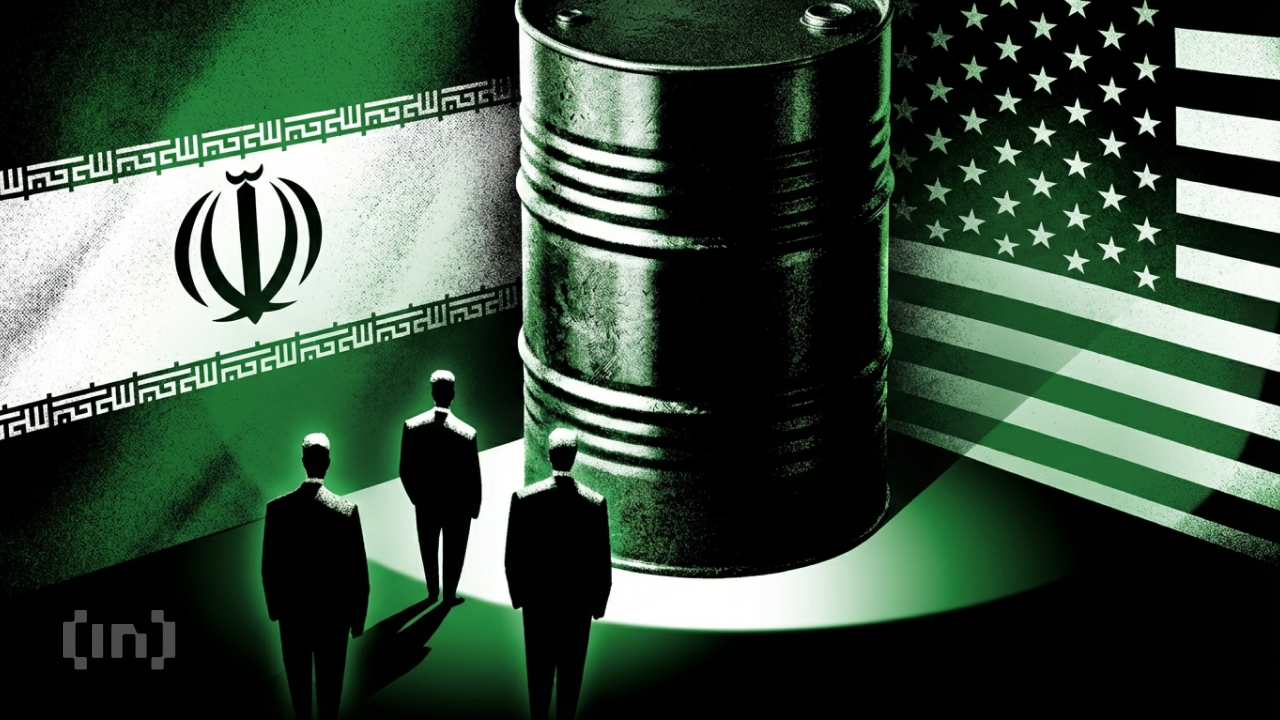
Oil prices have collapsed to two-month lows after the US and Iran reached an agreement to resume shipping through the Strait of Hormuz. However, beneath this external calm lies a new, far more insidious threat: Iran plans to introduce a transit fee 60 days after the reopening, and markets have already begun pricing this factor into the cost of crude.
Agreement with Iran: A Toll on a Fifth of the World's Oil
The reopening of the Strait of Hormuz, through which about a fifth of the world's oil volume is transported, was perceived by the market as a positive signal. Before the conflict, this route was completely free. However, Iran has stated its intention to levy service fees after the two-month free period ends. Notably, Donald Trump called the route permanently free of tolls, while Vice President JD Vance and Iranian authorities are confident that the introduction of fees is inevitable.
Markets reacted immediately: Brent crude fell by about 5%, dropping to $83 per barrel, and WTI to $80. These are the lowest levels in recent months. However, this decline reflects only a short-term relief in supply conditions. The futures curve indicates a more cautious sentiment among market participants.
The Curve Has Cooled, But Sentiment Remains Bullish
During the conflict, the Brent market experienced sharp backwardation — a situation where the futures price is lower than the current spot price of the underlying asset. Near-term contracts traded significantly higher than deferred ones, indicating an acute supply shortage. In April, the spread between the first and second Brent contracts reached $10.27. Now, this indicator has shrunk to about $0.67, suggesting an expectation of easing shortages. Nevertheless, the spread remains positive.
Brent quotes are gradually transitioning to moderate backwardation. They are not rushing back into contango, where distant contracts are more expensive than near-term ones. This means the acute shortage of crude has been resolved, but there are no signs of excess supply. Investor positioning is now shifting in the opposite direction. According to the latest Commitments of Traders report from the CFTC, speculators reduced short positions by approximately 9,300 contracts as of June 9.
Options data confirms this trend. On the United States Brent Oil Fund (BNO), the put-to-call ratio stood at 0.08. In other words, there are significantly more call contracts open than puts. Moreover, interest in calls is only growing. After the news about the fees, this ratio fell to 0.06.
Thus, quotes have already priced in the fact of the route's reopening. The main bet now is on further developments. Undoubtedly, the scale of this bet directly depends on the size of the future fee.
The BRN2 contract trades with a difference of about one month. Meanwhile, the underlying contract remains slightly more expensive. The futures curve has noticeably flattened, but it does not show clear signs of a bearish trend. If the fee is indeed introduced, the spread could widen again. The scenario fully aligns with the current predominance of bullish positions.
Potential Impact of Tolls on Barrel Cost
Let's move to calculations. Before the conflict, Brent was worth about $70 with zero transit costs. Approximately 7.6 billion barrels of oil are transported through the Strait of Hormuz annually. Possible scenarios for Iran's annual revenue from tolls: at a fee of $0.50 per barrel — $3.8 billion; at a fee of $1 per barrel — $7.6 billion; at a fee of $2 per barrel — $15.2 billion.
The $1 level is quite realistic. During the conflict, an unofficial fee of $1 per barrel was indeed charged. Additionally, there were reports of payments of up to $2 million per voyage. The direct cost of transit for the market is small. Initially, these expenses are mainly borne by producers. A much greater effect comes from the risk premium. This is an additional amount that investors factor in due to supply uncertainty.
Such a premium is particularly pronounced now. The global market's safety margin is minimal. For example, the US Strategic Petroleum Reserve is at its lowest level in 43 years. Analysts believe that if the market returns to normal around $80, a gradual introduction of the fee would add $2-6 to the cost. Conversely, a chaotic scenario would push prices up by $10 or more. Thus, Brent could enter a range of $85 to $95. With severe destabilization, quotes would again exceed $100.
It is important to emphasize that the fee itself, at $1 or $2, is not capable of pushing Brent to $100. It is precisely disruptions and attempts at blockades that lead to such an outcome. If the implementation of the agreement hinders vessel movement, a war premium will return to the market. Recall that during the conflict, it was fear that drove Brent above $100. Market signals fully confirm such risks.
Oil Forecasts and Market Bets Point to the Same Thing
Industry leaders have warned of the risk of a rise. At Chevron and ExxonMobil, they stated that Brent could soar to $150-160 if inventories continue to decline. According to the US Energy Information Administration (EIA), Brent will average about $105 in June and July, after which prices may decline. Goldman Sachs adjusted its forecast in light of the deal but warned of the risk of sharp fluctuations if passage through the Strait of Hormuz is not restored normally.
Even prediction markets confirm this outlook. On Polymarket, participants give about a 16% probability that oil prices will hit a record high by December 31 — this remains the main scenario among bets, despite some cooling of the situation after the deal.
Currently, oil prices are holding near two-month lows. Brent is trading around $83, and WTI is near $80. The next CFTC report will clearly show whether buyers have managed to maintain their advantage. If restrictions are lifted without new fees, prices will continue to decline toward the EIA forecast range of $70-79. However, the introduction of controversial fees in 60 days will tighten the balance again. In this case, oil will return to levels above $80 and head toward the $90 area.
Analyst's Opinion: The market is currently at a bifurcation point. The short-term price decline is a trap for bears. The reality is that any introduction of fees, even symbolic, will instantly bring the geopolitical premium back into the barrel cost. Investors should prepare for volatility, not for a sustained decline.