World Liberty Financial is on the verge of obtaining a banking trust license in the United States
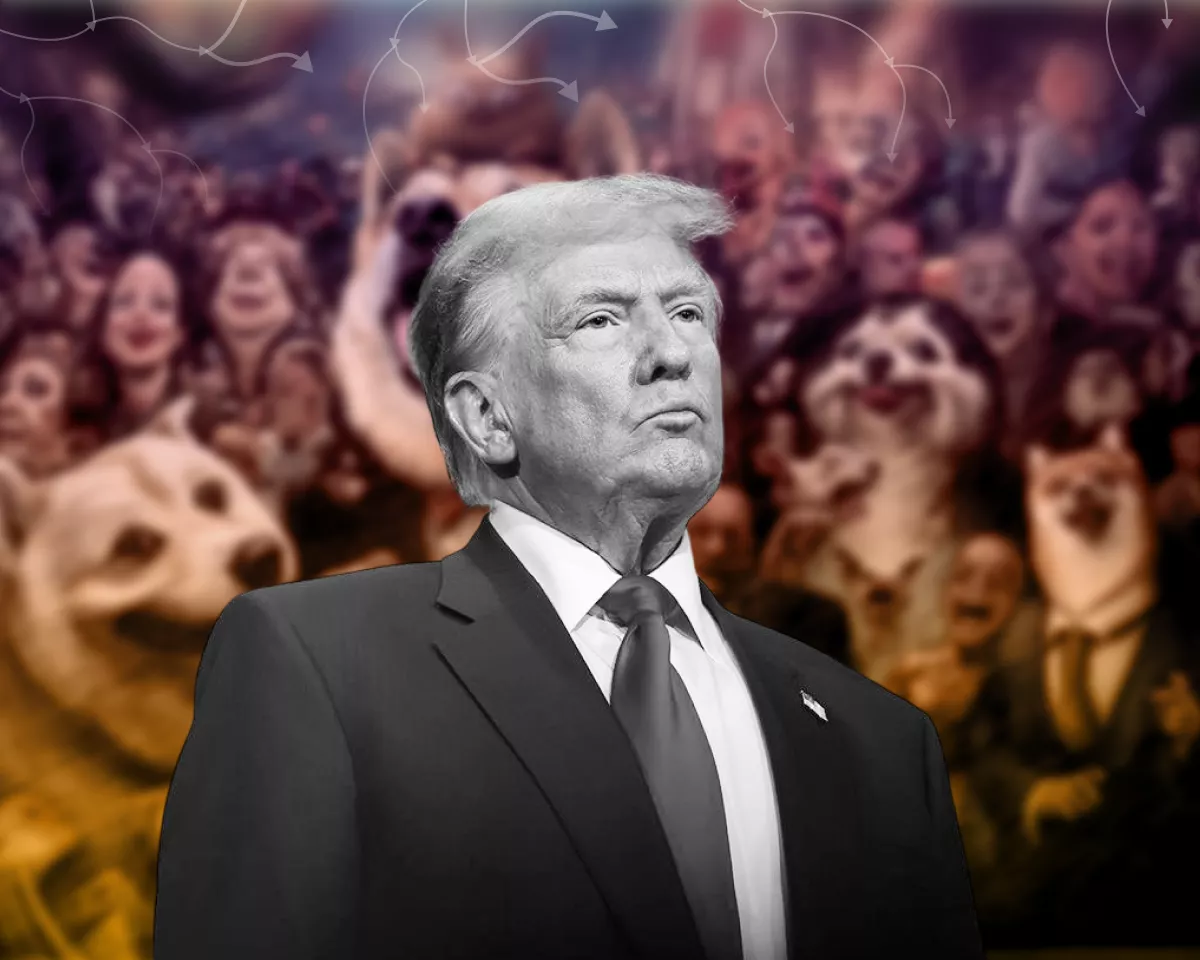
The World Liberty Financial project, linked to the family of the former US president, is confidently moving toward obtaining the status of a national trust bank. According to my sources, co-founder of the company Zach Witkoff confirmed that the application is in its final review stage. Since January 6, 2026, an application from World Liberty Trust Company, N.A. has been listed in the registry of the Office of the Comptroller of the Currency (OCC) — this is direct evidence that the regulator has already included it in the list of pending approvals.
What does the license provide?
If the OCC issues a conditional approval, the entity will gain the right to issue and redeem its own stablecoin, USD1. This is not just a formality: a trust bank license allows for managing the token's reserves, as well as providing custodial digital asset storage services for institutional clients. According to my data, USD1 reserves will be held in dollar accounts at financial institutions, money market funds backed by US government securities, and highly liquid cash equivalents.
This step fundamentally changes the rules of the game. World Liberty Financial ceases to be just a decentralized protocol — it becomes a regulated financial institution with direct access to the traditional banking system. This not only strengthens trust among conservative investors but also sets a precedent for other crypto projects seeking legitimization in the eyes of US regulators.
My analysis: Obtaining a trust license is a strategic move that elevates World Liberty Financial to a level unattainable for most DeFi projects. If the application is approved, we will see not just a new stablecoin, but a full-fledged bridge between cryptocurrency and traditional finance. However, one should not forget the risks: regulatory oversight may limit the project's flexibility, and dependence on government securities makes reserves vulnerable to macroeconomic shocks. In any case, this event deserves close attention — it could become a catalyst for a new wave of institutional adoption of crypto assets.