The Strait of Hormuz: A US-Iran deal has caused oil prices to collapse, but the market is bracing for a new surge
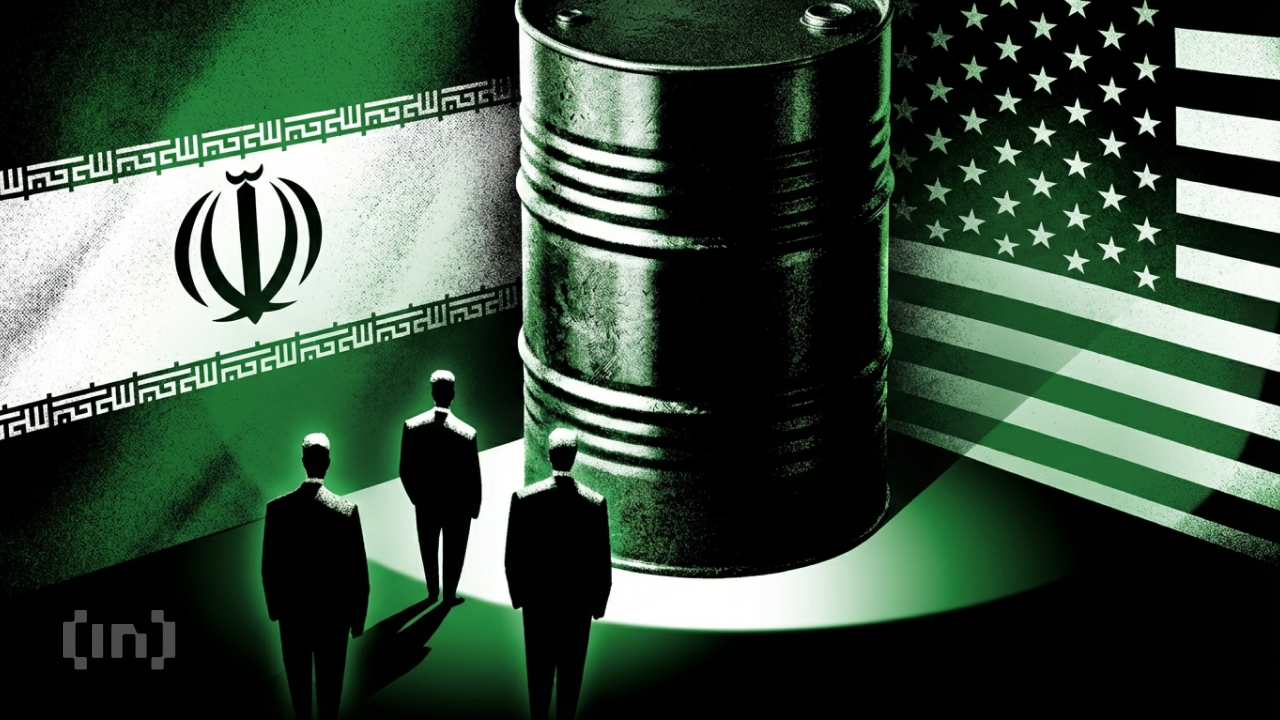
Oil prices have fallen to their lowest levels in two months following the US-Iran agreement to resume shipping through the Strait of Hormuz. However, despite the apparent de-escalation, professional traders are not rushing to relax. The market is actively pricing in the potential for a new, possibly even sharper rebound.
The key nuance of the deal, which remains in the shadows for the general public, is Iran's plans to charge a fee for passage through the strait. Tehran has announced that the fees will be introduced 60 days after the route opens. It is this factor, not the momentary relief, that is now being recalculated by algorithms and analysts. Markets are already beginning to price this future cost into the price of crude for the coming months.
Agreement with Iran: a toll on a fifth of the world's oil
The opening of the Strait of Hormuz means resuming the transport of approximately one-fifth of the world's oil volumes. Notably, before the start of the military conflict, this route remained completely free for all vessels. Now, Iran has stated its intention to levy service fees after the two-month free period expires. The US presidential administration, represented by Vice President JD Vance, and Iranian authorities are confident in the inevitability of introducing the fees, despite the rhetoric about an "eternally free" passage.
Markets reacted instantly: the price of Brent fell by approximately 5%, dropping to $83 per barrel, and WTI to $80. This marked multi-month lows. However, this decline reflects only a short-term easing of supply concerns, not a fundamental shift.
Futures curve: bullish sentiment persists
During the conflict, the Brent market experienced sharp backwardation—a situation where the price of the nearest futures contract is significantly higher than that of deferred contracts. This clearly indicated an acute supply shortage at the time. In April, the spread between the first and second Brent contracts reached $10.27. Now, this indicator has shrunk to approximately $0.67. Investors expect the deficit to ease, but the spread remains positive.
Brent quotes are transitioning to moderate backwardation. They are not rushing to return to contango, where distant contracts are more expensive than near-term ones. This means the acute shortage of crude has been resolved, but there are no signs of oversupply. Investor positioning is shifting in the opposite direction. According to the latest Commitments of Traders report from the CFTC, speculators reduced short positions by approximately 9,300 contracts as of June 9.
Options data confirms this trend. On the United States Brent Oil Fund (BNO), the put-to-call ratio stood at 0.08, meaning there were significantly more call contracts open than puts. After the news about the fees, this ratio fell to 0.06, indicating growing interest in calls.
Potential impact of tolls: from $85 to $100+
Let's move to the calculations. Before the conflict began, Brent was trading at around $70 with zero transit costs. Approximately 7.6 billion barrels of oil are transported through the Strait of Hormuz annually. Possible scenarios for Iran's annual revenue from tolls: at a fee of $0.50 per barrel — $3.8 billion; at $1 — $7.6 billion; at $2 — $15.2 billion. The $1 level is quite realistic—during the conflict, an unofficial fee of $1 per barrel was indeed levied, and there were also reports of payments of up to $2 million per single voyage.
The direct cost of transit for the market is small, mostly borne by producers. A much greater effect comes from the risk premium. This is the additional amount investors factor in due to supply uncertainty. Currently, this premium is particularly strong because the global market's safety margin is minimal. For example, the US Strategic Petroleum Reserve is at its lowest level in 43 years.
Analysts believe that if the market returns to normal around $80, a gradual introduction of the fee will add $2-6 to the price. A chaotic scenario, on the other hand, would push prices up by $10 or more. Thus, Brent could enter a range from $85 to $95. With severe destabilization, quotes would again exceed $100. It is important to emphasize that the toll itself of $1 or $2 is not capable of driving Brent to $100. It is precisely disruptions and attempts at blockades that lead to such an outcome. If the implementation of the agreement hinders vessel movement, the war premium will return to the market. Recall that during the conflict, it was fear that pushed Brent above $100.
My expert conclusion: The oil market is currently in a "calm before the storm" phase. The short-term decline is a trap for bears. Fundamental data and the positioning of major players indicate that we are on the verge of a new wave of volatility, where the key driver will be not so much the size of the toll, but the geopolitical uncertainty surrounding its introduction.