The Strait of Hormuz: Tariffs, Risk, and a New Wave of Oil Market Volatility
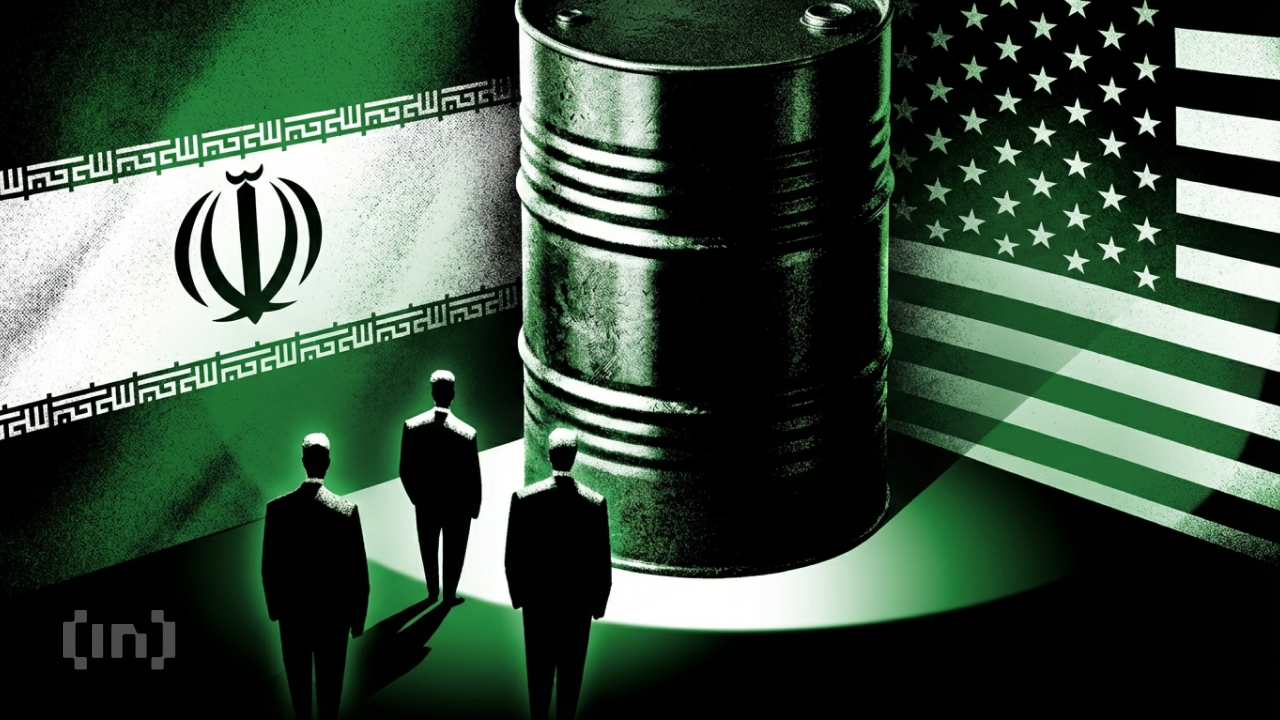
Oil prices have collapsed to two-month lows after the US and Iran reached an agreement to resume shipping through the Strait of Hormuz. However, behind the apparent détente lies a complex mechanism that traders have already begun to price into futures. The calm in the market is merely an illusion.
The key nuance of the deal: Iran introduces a transit fee
The agreement provides for a 60-day duty-free period, after which Tehran intends to impose charges for transit. This means market participants are already beginning to factor this into prices for the coming months. Washington, represented by Donald Trump, insists on permanently free passage, but the Iranian side and Vice President JD Vance are confident that the introduction of tariffs is inevitable.
The market reaction was swift: Brent fell by approximately 5% to $83 per barrel, and WTI to $80. This is a short-term relief, but the futures curve indicates a much more cautious stance among players.
Backwardation is fading, but bullish sentiment remains
At the height of the conflict, the Brent market experienced sharp backwardation, with near-term contracts trading significantly higher than longer-dated ones. In April, the spread between the first and second contracts reached $10.27. Today, this figure has narrowed to $0.67, signaling an expected easing of the deficit. Nevertheless, the spread remains positive, and the curve shows no signs of contango, meaning no excess supply. The market is balancing on a knife's edge.
Data from the CFTC's Commitments of Traders report confirms a shift in sentiment: speculators reduced short positions by approximately 9,300 contracts by June 9. Options data for the United States Brent Oil Fund (BNO) also points to a bullish orientation: the put-to-call ratio fell from 0.08 to 0.06 following the news about the fees. Calls are open by a multiple compared to puts, and interest in them is only growing. The market is betting on further increases.
Potential impact of tariffs: from $85 to $100+
Let's do the math. Before the conflict, Brent was trading at around $70 with zero transit costs. Approximately 7.6 billion barrels of oil are transported through the Strait of Hormuz annually.
- With a fee of $0.5 per barrel, Iran's annual revenue would be $3.8 billion.
- With a fee of $1 — $7.6 billion.
- With a fee of $2 — $15.2 billion.
The level of $1 per barrel is entirely realistic. During the conflict, unofficial fees reached up to $2 million per voyage. Direct transit costs are low and fall mainly on producers. Much more significant is the risk premium that investors factor in due to supply uncertainty.
Currently, the global market's safety margin is minimal. The US Strategic Petroleum Reserve is at a 43-year low. Analysts believe that if the market returns to normal levels around $80, a gradual introduction of the fee would add $2-6 to the price. A chaotic scenario would push prices up by $10 or more, moving Brent into the $85-95 range. In the event of severe destabilization, quotes would again exceed $100.
It is important to understand: the tariff itself of $1-2 will not drive Brent to $100. Such an outcome would result from disruptions and attempts at blockades. If the implementation of the agreement hinders vessel movement, a war premium will return to the market. It was fear, not fundamental factors, that pushed Brent above $100 at the height of the conflict.
Forecasts and market bets: the consensus is clear
Executives from Chevron and ExxonMobil have warned of the risk of Brent rising to $150-160 with further inventory drawdowns. The EIA forecasts Brent averaging around $105 in June-July. Goldman Sachs adjusted its forecast in light of the deal but warned of the risk of sharp fluctuations if passage through the strait is not restored normally.
Even prediction markets confirm this outlook. On Polymarket, participants assign approximately a 16% probability of oil hitting a new all-time high by December 31. This remains the primary scenario, despite some cooling after the deal.
Currently, prices are holding near two-month lows: Brent around $83, WTI near $80. If restrictions are lifted without new tariffs, prices will continue to decline toward the EIA's forecast range of $70-79. However, the introduction of contentious fees in 60 days will tighten the balance again, pushing oil back above $80 and toward the $90 area.
My comment as an analyst: The market is clearly underestimating the structural risk embedded in the deal. The 60-day delay is not a détente but a pause before a potentially stricter regime. An Iranian tariff, even at $1 per barrel, will become a new permanent cost factor, and any escalation around its collection will instantly bring back the war premium. The current price decline is an ideal entry point for hedging against upside risk.